In the realm of football, just as in the world of brewing, success is a product of meticulous planning, long-term investments, and a commitment to mastering one's craft. Morocco’s journey to the semi-finals of the 2022 FIFA World Cup, a historic achievement as the first African and Arab team to reach this stage, is a testament to this philosophy. The nation’s triumph is not a mere stroke of luck, but rather the culmination of years of strategic planning, dedicated youth development, and a clear vision for sustainable success. Like a brewery that consistently produces exceptional beers, Morocco has established a robust system for nurturing talented players, both locally and from abroad, ensuring a continuous influx of skill and potential.
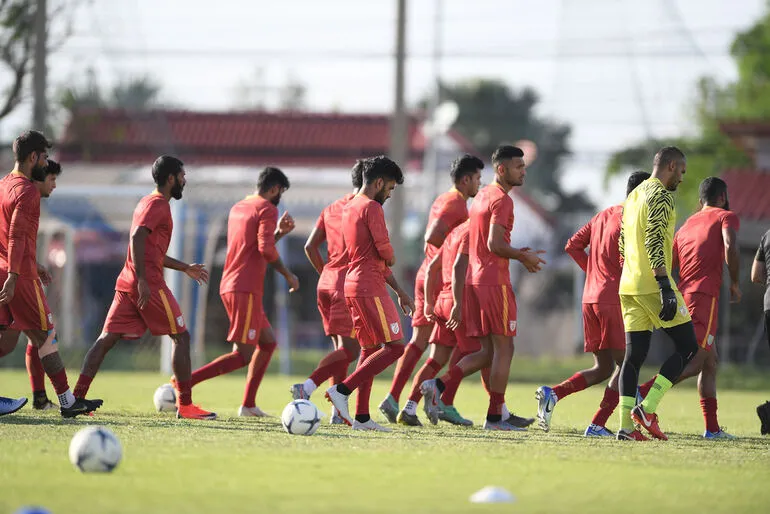
At the core of Morocco's football framework is a network of regional academies, seamlessly connected under the auspices of the Royal Moroccan Football Federation (RMFF). The Mohammed VI Football Academy, inaugurated in 2009, stands as the cornerstone of this initiative, offering facilities that rival those of top European youth academies. Here, aspiring footballers receive a science-based coaching approach that integrates practical training with academic learning, facilitating their growth into professional players. This methodical process emphasizes gradual development, ensuring that young talent is supported every step of the way without being rushed into the spotlight.
As Morocco's footballing prowess continues to rise, it attracts increased interest from businesses and digital platforms eager to engage with local leagues. Fans can now follow their homegrown teams and players through various online platforms, with real-time betting options available via apps like MelBet. This shift in perception highlights the growing credibility of Moroccan football, which has established a reputation for consistency and quality over time. Local teams are now seen as viable contenders, rather than stepping stones, for players looking to launch their careers.
Moreover, Morocco has taken significant strides to promote football beyond its major cities. With training facilities in locations such as Casablanca, Marrakech, and Tangier, young athletes can hone their skills close to home. This decentralized approach allows for a more diverse identification of talent, as scouts can tap into a wider range of communities and backgrounds, leading to the discovery of promising players who might otherwise go unnoticed.
Another noteworthy aspect of Morocco's football development is its ability to recruit players who have been raised in foreign countries, particularly in Europe. Talents like Achraf Hakimi, Hakim Ziyech, Sofyan Amrabat, and Youssef En-Nesyri have chosen to represent Morocco, bringing with them the high-level training and experience gained in prestigious European academies. This influx of skilled players enhances the national team without necessitating significant investment in local training programs, thus expanding the national program's reach and effectiveness.
Despite the advantages of incorporating foreign-trained players, debates surrounding inclusion and eligibility persist. Questions arise regarding the balance between nurturing homegrown talent and the potential overshadowing of local players by international recruits. However, the integration of these experienced athletes serves as a double-edged sword, providing invaluable role models for younger players and elevating the overall quality of training within Moroccan football.
Recognizing the importance of strong links between youth setups and senior competitions, Morocco has invested heavily in restructuring its top league, the Botola Pro. Enhancements in stadium infrastructure, coaching standards, and youth competition calendars have created an environment where young talents can thrive and prepare for professional careers. Improved facilities and increased media coverage have redefined the local league, transforming it into a stepping stone for players rather than a dead end.
As Morocco gears up for the 2030 FIFA World Cup, the momentum behind its football investments is accelerating. Hosting such a significant event requires extensive infrastructure improvements, which will undoubtedly reshape the entire football landscape. With a clear roadmap for development, the national federation is reinforcing its support, ensuring that young athletes currently in training will be primed to compete at the highest level when the world turns its eyes to North Africa.
In conclusion, Morocco's football development strategy is a comprehensive model that transcends borders, drawing interest from neighboring federations. By prioritizing elite training facilities and fostering connections between local hubs and international talent, Morocco is creating a pathway for players that emphasizes skill and opportunity. As the nation continues to build its reputation on the global stage, the lessons learned here echo the principles of successful brewing – the focus on long-term investment and quality will ultimately yield the best results.
As reported by breweriesinpa.com.