Recent Attacks and Historical Remembrance
On Sunday, a devastating drone attack by Moroccan forces in the occupied Western Sahara resulted in the deaths of three Sahrawi fighters, including Lahbib Mohammed Aziz, the son of the late Mohammed Abdelaziz, a prominent leader and co-founder of the Polisario Front for the Liberation of Western Sahara. This incident starkly contrasts with a Sahrawi rocket attack in May, which garnered significant international protest despite causing minimal damage. The recent Moroccan bombing, however, has gone largely unnoticed by the global community. In light of these events, we reflect on the Sahrawi 'Martyrs' Day', celebrated on Tuesday, honoring the legacy of Al-Wali, a revered national hero among the Sahrawis.
Honoring Al-Wali Mustafa Sajed
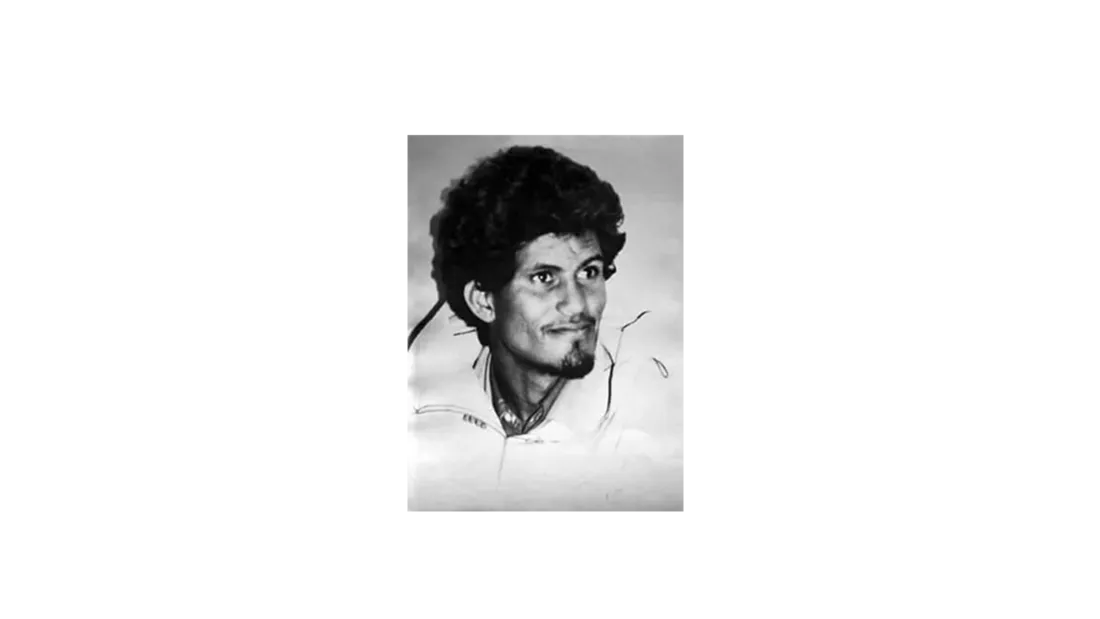
Al-Wali Mustafa Sajed is recognized as the architect of the Sahrawi Revolution and the Democratic Arab Republic of Sahara (DARS), having passed away on June 9, 1976. Three decades ago, we collaborated on his biography, in which Mauritanian writer and anti-colonial activist Ahmed Baba Miské noted, 'Al-Wali had a mission: to unite his people and guide them into a new chapter of history. Ironically, his death catalyzed this unification, inspiring every Sahrawi to follow in his footsteps. Under Al-Wali's influence, Sahrawi fighters, activists, and diplomats—both men and women—achieved extraordinary feats.' Al-Wali dedicated his efforts to three pivotal areas: the organization of the Sahrawi people, military action, and diplomacy.
The first area involved the mobilization of the Sahrawi people, advocating for unity and determination as essential components to withstand challenges. Al-Wali emphasized that revolutionary action should arise from initiative rather than passive waiting, acknowledging the inherent imbalances in power against their adversaries. The second realm was military action, where Al-Wali firmly believed that overcoming the injustices faced by the Sahrawi people could only be achieved through combat, which would inevitably require great sacrifices. He led from the front, participating in the first military operation of the Polisario Front in 1973, which led to his capture by Spanish colonial troops, and remained active until his death in battle.
Lastly, Al-Wali focused on diplomacy, initially hoping for support from progressive organizations in Morocco and Mauritania, as all three nations were victims of colonial oppression. However, these organizations distanced themselves from the Sahrawi cause to align with their ruling powers. In contrast, Al-Wali forged alliances that bolstered the revolution, with Algeria and Libya emerging as historical bastions of support for Western Sahara. He witnessed the profound suffering of his people, rich in resources yet deprived of dignity and freedom, transforming their despair into resilience by founding the DARS.
The 'Martyrs' Day' on June 9, commemorating his death, serves as a persistent testament to loyalty, freedom, justice, national unity, social cohesion, human dignity, and equality. It honors those who sacrificed their lives for the Sahrawi people to live with dignity and reminds us that sovereignty over Western Sahara rests with the Sahrawi people, a reality that must not be overlooked.
As reported by jungewelt.de.