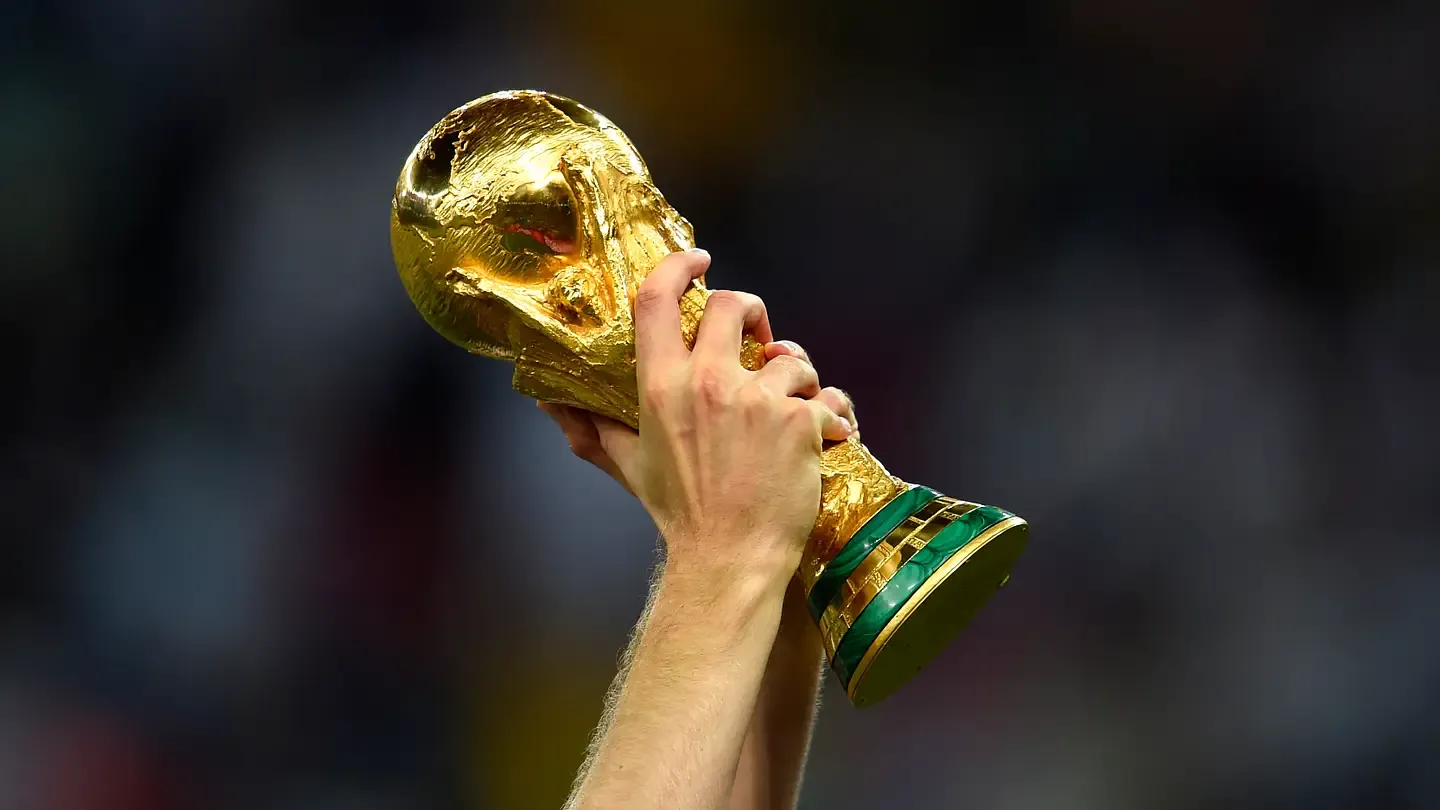
As the exhilaration surrounding the 2026 FIFA World Cup begins to fade into the annals of history, soccer enthusiasts are already setting their sights on the next grand spectacle—the 2030 World Cup. While the echoes of the last tournament still resonate, the anticipation for the upcoming event is palpable, despite the realization that it remains four years away. This extended timeline, however, is a testament to the intricate planning and coordination required to host an event of this magnitude. The groundwork for the 2030 World Cup is not just a fleeting thought; it is a carefully laid foundation that is already well underway.
In a significant departure from previous tournaments, the 2030 World Cup will feature a diverse range of host nations, marking another chapter in the rich history of the event. This edition will be co-hosted by Morocco, Portugal, and Spain, creating a unique opportunity to celebrate the tournament's centenary—100 years since the inaugural World Cup took place. Notably, Uruguay, the original host in 1930, will also play a role in the celebrations, with a special match scheduled at the iconic Estadio Centenario in Montevideo, alongside additional games in Argentina and Paraguay. This blend of history and modernity promises a vibrant atmosphere for fans and players alike.
One of the most remarkable aspects of the upcoming tournament is its unprecedented format, as it will be the first World Cup to span multiple confederations. It will also be the first World Cup held in Africa since 2010 and the first-ever in North Africa, a milestone that carries significant cultural importance. FIFA's bidding process for the 2030 World Cup began in 2022, with several nations vying for the opportunity to host. Following FIFA's rotation policies, countries from the Asian Football Confederation (AFC) and the North American Confederation (Concacaf) were precluded from bidding after the 2022 Qatar tournament and the hosting decisions for 2026. Spain and Portugal had initially collaborated on a joint bid, which was later joined by Morocco in 2023, after several unsuccessful attempts in the past.
In December 2024, FIFA officially announced Morocco, Portugal, and Spain as the primary hosts for the tournament, while Uruguay, Argentina, and Paraguay were granted special matches to honor the centenary. Although the final list of stadiums is still pending, a wealth of proposed venues has been submitted, showcasing a mix of historic and modern facilities. Among the standout stadiums are Barcelona's Camp Nou, which is set to become the continent’s largest World Cup venue, and several iconic arenas in Madrid and Portugal. Morocco will introduce the Hassan II Stadium in Casablanca, a new highlight of their hosting portfolio.
While the exact number of teams participating in the tournament remains undecided, there is substantial speculation regarding the format. Initially, the expectation was that the tournament would mirror the 48-team structure introduced in 2026. However, FIFA President Gianni Infantino stirred discussions by suggesting the possibility of expanding to 64 teams, an idea that has garnered mixed reactions. Critics, including prominent figures from UEFA and AFC, have expressed concerns that such an expansion could compromise the tournament’s quality and create logistical challenges.
In addition to the changes in team numbers, the qualification process will undergo significant revisions. UEFA is set to implement a two-tier structure, which will enhance the competitiveness of matches and ensure that smaller nations have a fair opportunity to qualify. Likewise, Concacaf will adopt a three-round qualifying format, aiming to provide a more structured pathway for teams vying for World Cup spots. As of now, six teams have already secured their places, including the three host nations and the centenary celebration hosts.
As the countdown to June 2030 begins, the anticipation builds not only for the matches but also for the celebrations that will kick off in South America prior to the main event in Morocco, Portugal, and Spain. While the precise schedule and kickoff dates are yet to be confirmed by FIFA, the excitement surrounding the tournament continues to grow. The final match is expected to take place in Spain, with iconic venues such as the Santiago Bernabéu and the renovated Camp Nou vying for the honor of hosting this historic showdown.
As reported by si.com.