The Surge of Money Laundering Cases in Morocco: Nearly 500 Investigations Underway
July 17, 2026
Fouzi Lekjaa Calls for Enhanced Preparations for the 2030 World Cup in Morocco
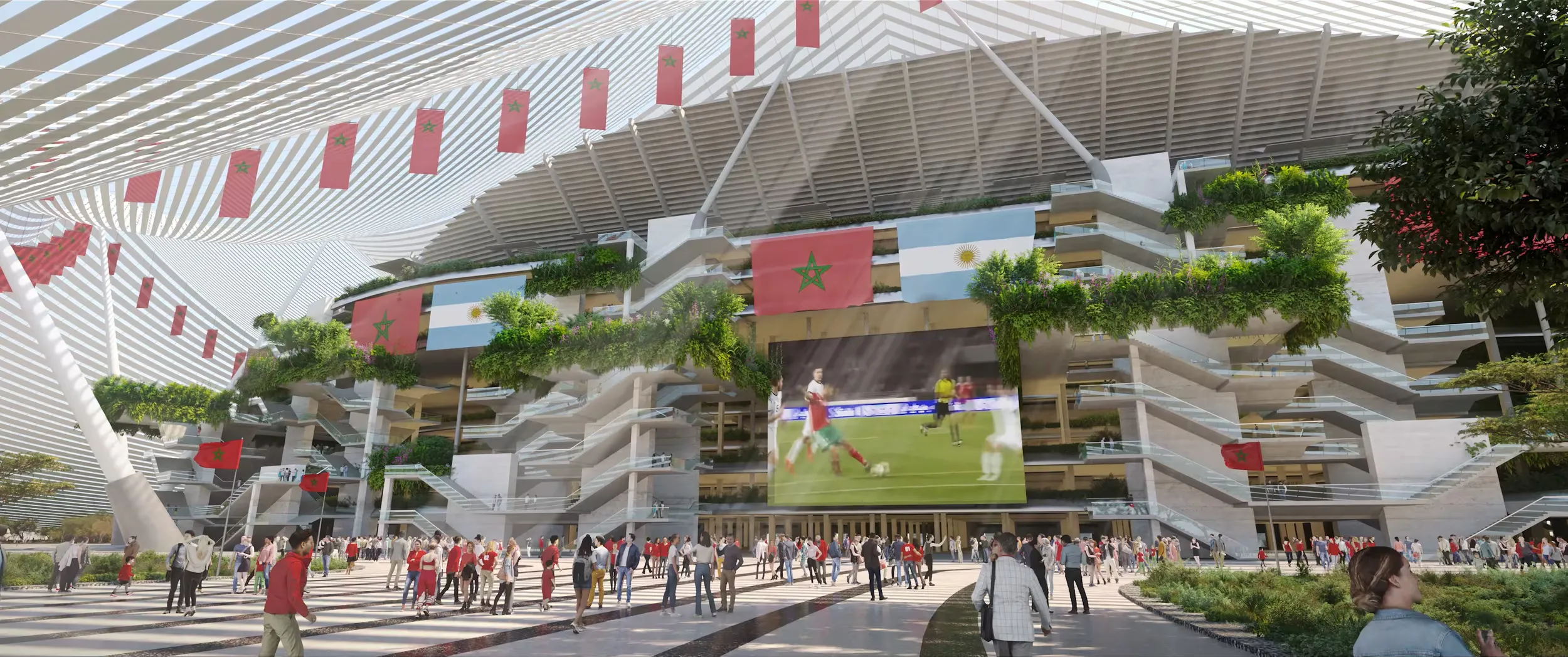
Strategic Vision for 2030 FIFA World Cup Fouzi Lekjaa, the President of the Royal Moroccan Football Federation (FRMF), recently emphasized the critical importance of bolstering preparations for the 2030 FIFA World Cup, which Morocco will co-host alongside Spain and Portugal. In a meeting held in Salé, Lekjaa articulated that this monumental event aligns seamlessly with King Mohammed VI's strategic vision for the nation. He underscored the necessity for a unified approach and collective commitment from all stakeholders to ensure the tournament's success, which he views as a pivotal national endeavor. Collaborative Efforts and Modernization Needed During his address, Lekjaa highlighted that Morocco would be under the global spotlight of FIFA, necessitating early and sustained preparations coupled with effective coordination throughout the planning stages. He announced that the Morocco 2030 Foundation would oversee the tournament in collaboration with the FRMF, establishing a dedicated mechanism to enhance cooperation between the two entities. Lekjaa further urged Moroccan football leagues to modernize their governance and operational methods. This modernization is essential not only to meet the demands of this upcoming phase but also to elevate the profile of Moroccan football on both continental and international platforms. He called upon these leagues to actively participate in the preparations, with the ultimate goal of achieving the objectives set for Moroccan football in the lead-up to and beyond the 2030 World Cup. As reported by en.yabiladi.com.
July 17, 2026
News
View all
Inside Morocco's Surveillance Machine: Pegasus and...
July 17, 2026
Exploring the Intricate Web of Moroccan Espionage The surveillance apparatus in Morocco has established a sophisticated structural system that transcends the mere use of isolated spyware. At the helm of this complex operation is an individual referred to internally within the Moroccan intelligence community as the "viceroy" or the "shadow king," Fouad Ali El Himma. Operating under the General Directorate of National Security (DGST), the regime has reportedly integrated tools such as Pegasus into its command chain to monitor both internal dissidents and international leaders. This technological architecture is capable of transforming mobile devices into comprehensive sources of information, making mass surveillance a systematic method designed to neutralize any opposition or discomfort posed to the regime. The operation of this structure is supported by a network of alliances that includes the United Arab Emirates and Israel. Despite official denials, documents, technical records, and internal testimonies have unveiled the inner workings of this system, revealing operational failures such as accidental infections in the very phones of intelligence services that undermine the alleged invulnerability of the apparatus. These revelations expose the names, hierarchies, and modus operandi behind one of the region's most opaque control structures. In 2021, Forbidden Stories and Amnesty International brought to light Morocco's intelligence services, revealing that they had attempted to spy on over 12,000 individuals using Pegasus, the spyware developed by the Israeli firm NSO Group. Now, a consortium of 39 journalists is delving deeper into the operations of Moroccan espionage, gathering testimonies from three former members of Rabat's intelligence, leaks about their surveillance campaigns—including photographs of victims, locations, official documents, and recordings. This information has been corroborated with European intelligence officials, cybersecurity industry workers, satellite imagery, commercial information, and access to various legal summaries and investigations worldwide. The evidence collected has been independently verified by Amnesty International's Security Lab, which serves as the project's technical assistant. As reported by youtube.com.
Morocco Reclaims Dinosaur Teeth in Cultural Herita...
July 17, 2026
Morocco's Successful Recovery of Dinosaur Fossils In a significant achievement within the framework of cultural heritage preservation, Morocco has successfully reclaimed a collection of dinosaur teeth that were seized by French customs in Menton, France, during an attempted illegal transport in February 2025. This operation highlights the fruitful collaboration between the Kingdom of Morocco and the French Republic, emphasizing their mutual commitment to combatting the illicit trade of cultural properties. The fossils, dating back to the Late Cretaceous period, are estimated to be between 66 and 72 million years old, and include teeth from extinct marine reptiles and ancient crocodilian relatives extracted from Morocco's geological basin. Collaborative Efforts for Heritage Protection This recovery operation is a testament to the close coordination between Morocco's Ministry of Youth, Culture, and Communication and French authorities, reflecting both countries' shared dedication to safeguarding their natural and geological heritage. The return of these fossils underscores the importance of preserving Morocco's rich paleontological resources for future generations, promoting awareness of the nation's historical significance in the natural sciences. Such initiatives not only enhance cultural ties between Morocco and France but also contribute to the global fight against the illegal trafficking of cultural artifacts. As reported by hespress.com.
Controversies Surrounding Morocco's 2026 World Cup...
July 17, 2026
The 2026 World Cup will be remembered as one of the most significant in the history of the Moroccan national team. The Atlas Lions solidified their reputation as a formidable squad by reaching the quarter-finals. However, beyond their remarkable performances on the field, two matches continue to raise eyebrows: the Round of 16 encounter against Canada and the quarter-final against France. This is not solely due to perceived favoritism in officiating but rather because several critical decisions in these matches have left a lingering sense of inconsistency in the application of the rules and the Video Assistant Referee (VAR) protocol. Controversial Refereeing Decisions Against Canada Morocco achieved a decisive victory against Canada, winning 3-0—a result that stands uncontested. Yet, the disciplinary management of the match raised questions. The referee issued an unusually high number of yellow cards to Moroccan players, with several shown in the first half alone. This strictness forced many of the Atlas Lions to temper their aggression in duels for fear of receiving a second yellow card, which would lead to expulsion. The issue is not merely the quantity of cards but their consistency. Similar fouls were not uniformly penalized based on the player committing them, leading to a feeling of confusion regarding the referee’s standards. Although this officiating approach did not affect the final outcome, it influenced the Moroccan players' behavior during this match and the subsequent one. Was the referee inadvertently preparing the team for their next match? It’s a question worth pondering. The Rabiot Handball Controversy Against France However, the real debate erupted days later during the quarter-final match against France. The sequence leading to France's first goal began with a ball that video footage clearly shows was not accidentally touched by Adrien Rabiot's arm; rather, he intentionally directed it with his hand. This point is crucial. The psychological impact of conceding a goal perceived as unjust, especially after holding off the opposition for over an hour, cannot be overstated. Contrary to some analyses that claim this handball was removed from the decisive action, it actually occurred at the very beginning of the offensive sequence that led directly to the goal. Moroccan players nearest to the incident even paused, convinced that the referee would logically call a handball. This is where the controversy lies. According to VAR protocol, when an infraction is committed by the attacking team during the possession phase that leads to a goal, video referees are obliged to intervene. They had a responsibility to act in this instance. The entire world witnessed the handball, except for those equipped with numerous camera angles and flawless technology. The key issue, therefore, was whether this handball constituted a punishable offense and if it fell within the same possession phase. The referees decided otherwise, effectively dismissing the situation without further review. This decision immediately sparked confusion among the Moroccan bench and numerous observers. The debate extends beyond the mere existence of hand contact, which is visible in slow-motion replays, to the interpretation of the protocol and the threshold established for initiating VAR intervention. Is this threshold variable? In this case, it certainly seemed to be. Regarding the second goal, the aggressive manner in which two French defenders stripped the ball from a Moroccan player also warrants reconsideration. Issa Diop received a yellow card in this match for far less serious infractions. Importantly, there is currently no objective evidence to suggest that Morocco was the victim of organized favoritism in favor of its opponents. Such an accusation would require an exhaustive statistical analysis of all refereeing decisions throughout the tournament, alongside other compelling evidence. Nevertheless, the two matches raise a more substantial question: that of consistency. It is entirely reasonable to seek explanations as to why all the referees assigned to the France-Morocco match were of the same nationality. Odd, isn’t it? This was a unique situation in the tournament. Why were certain actions subjected to lengthy reviews while others, equally pivotal, went unnoticed? Some video consultations even led to the annulment of goals or the confirmation/denial of corner kicks. If the referee repeatedly reviewed the penalty decision awarded to France, it may have been an attempt to convince themselves of the foul's legitimacy, especially given the known tendency of the French player to simulate. Why do similar contacts seem to receive different treatment from one match to another? These questions are not limited to Morocco. Throughout the 2026 World Cup, several teams expressed their confusion over VAR decisions deemed inconsistent. Ultimately, VAR technology was introduced to reduce clear errors and enhance confidence in officiating. When it allows perplexing decisions to stand, it achieves the opposite effect, fostering suspicion. Michel Platini has gone so far as to suggest that images can be manipulated to justify referee decisions. The FIFA could address these concerns by publishing, as is done in other sports, the exchanges between on-field referees and video referees, along with a detailed report outlining the reasons for intervening or not intervening in contentious actions. This level of transparency would help calm the debates. While refereeing errors are part of football, it is the lack of explanation that perpetuates controversy. In this regard, the matches between Morocco and Canada, as well as France and Morocco, will serve as case studies on the need for a clearer and more uniform application of the VAR protocol. As reported by sport.le360.ma.
Morocco Launches Special Program for Incarcerated...
July 17, 2026
On Wednesday, Morocco initiated a groundbreaking program aimed at the rehabilitation and social reintegration of prisoners who have been convicted of offenses related to anti-terrorism legislation. This initiative specifically targets individuals who have returned from conflict zones, including Iraq, Syria, and the Sahel region, where extremist groups affiliated with Al-Qaeda and ISIS are active. The program is designed not only to address the immediate needs of these individuals but also to foster their reintegration into society by providing them with the necessary support and resources to lead productive lives after their release.This strategic move by the Moroccan government reflects a broader commitment to combating extremism and promoting social stability within the nation. By focusing on rehabilitation rather than punishment alone, the program aims to reduce recidivism rates among former detainees, thereby contributing to a safer and more cohesive society. The initiative underscores the importance of addressing the root causes of radicalization and offering pathways for individuals to reintegrate successfully into their communities.As reported by instagram.com.
Marrakech
View all
French National Convicted of Murder Extradited to...
July 17, 2026
Extradition of a French National Convicted of Murder to Paris A 30-year-old French citizen of Tunisian descent has been transferred to the local prison "Al-Arjat 2" in Sala, Morocco, as he awaits the completion of extradition procedures to French judicial authorities. This action follows his consent to the extradition process, which was initiated after the judicial police in Marrakech presented him to the public prosecutor for approval of the extradition request from France. He is wanted for a previous court ruling that sentenced him to 30 years in prison for his alleged involvement in a homicide using a firearm. During his appearance before the prosecutor, the suspect was informed of an international arrest warrant issued by French authorities. After being questioned about his willingness to be extradited to France, he expressed his agreement and was subsequently placed in "Al-Arjat 2" prison pending the finalization of the extradition process. The case dates back to September 2017, when he allegedly committed a murder on the streets of Vitry-sur-Seine, France, before fleeing the scene. The Moroccan authorities arrested the suspect in Marrakech, where it was revealed through an Interpol database check that he was subject to a red notice issued at the request of the Paris central office, in connection with the 30-year prison sentence. Following his arrest, he was placed under provisional detention as part of the judicial investigation led by the national judicial police, supervised by the competent public prosecutor, to investigate the criminal acts attributed to him based on the official complaint from French authorities. As reported by le12.ma.
Exciting Developments in Marrakech: From New Trans...
July 17, 2026
New Transportation Projects in Marrakech Marrakech is set to enhance its transportation landscape with the upcoming inauguration of the Al Azzouzia bus station, scheduled for July 24, 2026. This state-of-the-art facility aims to streamline public transport and improve accessibility for locals and tourists alike. The new bus terminal is poised to significantly alleviate congestion in the city while providing a modern and efficient hub for travelers. As Marrakech continues to grow, such infrastructure projects are vital in maintaining the flow of urban life and enhancing the overall experience for visitors. Celebrating Moroccan Culture and Achievements The excitement in Marrakech extends beyond transportation improvements. As the Moroccan national football team, the Lions of the Atlas, gears up for the 2026 World Cup, the city is abuzz with fervent support from fans celebrating their achievements. The spirit of the game resonates deeply within the community, showcasing not only a passion for football but also a rich cultural heritage that binds the people together. Furthermore, Marrakech has recently been recognized as the 12th most cultural city in the world by Time Out, a testament to its vibrant arts scene and historical significance. Events such as the National Festival of Popular Arts and the Nuit des Musées are just a few examples of how Marrakech is embracing its cultural identity while also fostering community engagement. As reported by latribunedemarrakech.com.
French National Sentenced to 30 Years for Murder T...
July 17, 2026
French Citizen Sent to Moroccan Prison Prior to Extradition to France A 30-year-old French national of Tunisian descent has been transferred to the local prison known as "Al-Arjat 2" in Salé, Morocco. This move comes as he awaits the completion of extradition procedures to the French authorities, following his agreement to the extradition process. The decision was made after members of the judicial police in Marrakech presented the individual to the public prosecutor in the city on Wednesday. This was to initiate the extradition process to France, following a request for his detention based on a conviction in absentia, which sentenced him to 30 years in prison for his suspected involvement in a case related to premeditated murder using a firearm. During his appearance before the prosecutor, the suspect was informed that he was the subject of an international arrest warrant issued by the French judicial authorities. Upon being questioned about his willingness to be extradited to the requesting state, he expressed his consent and was subsequently placed in the "Al-Arjat 2" prison until the extradition procedures are finalized. The events leading to this case date back to September 2017, when the individual allegedly committed the murder of a person on a public street in Vitry-sur-Seine, France, using a firearm before fleeing the scene. Moroccan authorities apprehended the suspect in Marrakech after it was revealed through an Interpol database check that he was subject to a red notice issued at the request of the central office in Paris, related to his 30-year prison sentence. Following his arrest, the individual was placed under provisional detention pending a judicial investigation initiated by the national police, supervised by the competent public prosecutor, to investigate the criminal actions attributed to him as outlined in the formal complaint from French authorities. As reported by le12.ma.
Marrakech Welcomes New Bus Station: Al Azzouzia Se...
July 17, 2026
New Beginnings in Marrakech: Al Azzouzia Bus Station Launch Marrakech, a city known for its vibrant culture and rich history, is set to enhance its transport infrastructure with the opening of the new Al Azzouzia bus station on July 24, 2026. This initiative aims to improve the public transportation system in the region, providing residents and tourists with a state-of-the-art facility that promises efficiency and comfort. The new station is strategically located to facilitate easy access for travelers, ensuring that moving around the city will be more convenient than ever. The design of the Al Azzouzia bus station reflects modern architectural trends while incorporating elements that pay homage to Marrakech's unique cultural heritage. It is expected to serve as a central hub for various bus lines, connecting travelers to key destinations both within the city and to surrounding areas. This development is not only a significant step towards modernizing public transport but also a boost to the local economy, creating jobs and stimulating growth in the sector. As the city prepares for this grand opening, excitement is building among residents who anticipate the benefits of this new facility. With improved travel times and increased comfort, the Al Azzouzia bus station is poised to become a vital part of everyday life in Marrakech. As reported by latribunedemarrakech.com.
Agadir
View all
Maroc Telecom Announces the Beach Festival from Ju...
July 17, 2026
Maroc Telecom Unveils the 22nd Edition of the Beach Festival Maroc Telecom is set to host the 22nd edition of the highly anticipated Beach Festival, scheduled from July 20 to August 21. This vibrant event will take place in the picturesque coastal cities of M’diq, Tangier, Al Hoceima, and Saïdia, showcasing an impressive lineup of over 60 free concerts. Each performance will be hosted on stages that meet international standards, ensuring a memorable experience for attendees. This year's festival promises a diverse and eclectic program featuring renowned artists from both national and Arab music scenes. Attendees can look forward to a rich blend of musical genres including hip-hop, rap, Aïta, Chaâbi, contemporary Moroccan song, Raï, Reggada, and Arabic pop. Additionally, various folklore and local groups will contribute to the lively atmosphere, making this event a grand celebration of music and culture. With a commitment to fostering cultural exchange and entertainment, the Beach Festival serves as a platform for artists to connect with audiences while enhancing the cultural landscape of Morocco. The festival not only promotes local talent but also invites international acts, creating a melting pot of sounds that resonates with music lovers. As reported by lematin.ma.
Agadir Accelerates Sports Infrastructure Developme...
July 17, 2026
Agadir's Rapid Progress in Sports InfrastructureAgadir is witnessing an accelerated pace in the execution of its sports projects, particularly with the advancements in the construction of the Madanib Stadium located in the Tekkiouine region. This development coincides with the initiation of the rehabilitation process for the prominent Adrar Stadium. These efforts are part of Morocco's comprehensive preparations to host a series of continental and international football events, with the prestigious 2030 World Cup being the foremost among them.The construction work at Madanib Stadium is progressing rapidly, and this sports complex is expected to make a significant contribution to the sports infrastructure of the Souss-Massa region. It will serve as a venue for both training sessions and matches, in alignment with the growing momentum of the city in the realm of sports.Enhancements to Adrar Stadium and National Rehabilitation ProgramOn the other hand, the rehabilitation of Adrar Stadium has commenced, involving the removal of the rubber track, the addition of a ground floor to the stands, updates to several facilities and equipment, as well as improvements to the quality of technical infrastructure and services. These upgrades are essential to ensure the stadium meets the standards set by both international and African football federations, making it ready to host major events.These initiatives are part of a national program aimed at rehabilitating sports stadiums in various Moroccan cities in anticipation of upcoming events. They also reflect Morocco's commitment to enhancing its sports infrastructure, thereby reinforcing its position as a capable host for some of the world's largest sporting competitions.As reported by fr.hibapress.com.
Empowering Female Entrepreneurs in Souss-Massa: Ov...
July 17, 2026
The growth of female entrepreneurship in Morocco is evident, yet the sustainability of these ventures poses a significant challenge, particularly highlighted by the alarming failure rate of businesses within just a few years of operation. In the Souss-Massa region, where women lead only 12.2% of local enterprises, seasoned female entrepreneurs encounter formidable barriers, notably in accessing financing, securing guarantees, and facing age limitations for credit access. To tackle these issues, local authorities are advocating for collaborative governance and have established a fund of 10 million dirhams aimed at serving as personal guarantees for women seeking bank loans. According to the annual report from the Moroccan TPME Observatory for 2023-2024, it is clear that nearly all regions in Morocco have witnessed a rise in the number of women-led businesses. However, this growth is not the core issue; while 12.3% of businesses in Morocco are owned by women, as per World Bank statistics, female entrepreneurship tends to flourish primarily in startup phases rather than in the later stages of business development, particularly in enterprises that have been operational for over a decade. Consequently, the real challenge for female entrepreneurs lies not in the inception of projects but rather in their capacity to survive and thrive over time. This key observation emerged during a regional meeting held last Wednesday in Agadir, organized by the Entrelles-Entrepreneures Souss-Massa Association in collaboration with the Center for International Private Enterprise (CIPE). The aim was to initiate a collective approach to develop a regional program for the sustainability and growth of female small and medium-sized enterprises (SMEs) in Souss-Massa for the period of 2027-2031. A significant barrier highlighted in accessing credit is the age limit imposed for loan eligibility. "Recent data from the Moroccan TPME Observatory indicates that women currently manage approximately 15.6% of active businesses in Morocco, equating to just over 60,363 enterprises. In our Souss-Massa region, female entrepreneurs are present in strategic sectors such as agriculture, tourism, handicrafts, services, social economy, and manufacturing industries. However, they only manage about 12.2% of regional businesses, totaling nearly 2,657 companies," remarked Khadija Ben Moumen, president of the Entrelles-Entrepreneures Souss-Massa Association. She emphasized that the true challenge is not solely about fostering business creation but ensuring these enterprises can grow, innovate, access markets, secure appropriate financing, and sustain their operations over time. One of the primary obstacles mentioned is the age limit for loans, which ranges between 40 to 45 years. Current support programs focus primarily on young graduates or first-time entrepreneurs, aiming to facilitate their professional integration. However, the reality on the ground reveals that many women embark on entrepreneurial ventures later in life, often after freeing themselves from certain family obligations. This regulatory age limit thus becomes a major hurdle that excludes experienced female entrepreneurs who are ready to sustain viable projects. Additionally, the absence of differentiation between the individual profile of the project holder (particularly their age) and the legal entity conducting the business complicates the granting of guarantees and the access to credit. Testimonials indicate that this system disproportionately affects the growth of mature businesses, whose female leaders may have depleted their own funds and personal guarantees, leaving them without the essential resources needed for expansion. In parallel with the proposal for launching a dedicated fund for female entrepreneurship, Karim Achengli, president of the Souss-Massa regional council, has suggested establishing collaborative governance that includes multiple stakeholders. This committee will oversee a fund estimated at 10 million dirhams, entrusted to Souss-Massa Initiative, a regional platform supporting entrepreneurship, which encourages project holders through interest-free and collateral-free loans to bolster the personal contributions of business creators. This fund is designed to serve as a personal guarantee for female entrepreneurs, thereby facilitating easier access to bank credits. The banking institutions present at this meeting reaffirmed their commitment to supporting female entrepreneurship and promoting financial inclusion for women entrepreneurs by simplifying credit access and enhancing support for female leaders, all while aligning with public initiatives. The overarching goal is to reduce the business mortality rate, which is attributed not only to a lack of capital but also to the critical need for training and post-creation support. Additionally, Fatima Amzil, regional director of ANAPEC, reiterated her institution's commitment to female entrepreneurs, particularly through its cooperation initiated in 2012. Seizing the opportunity presented by the regional president's call, she proposed mobilizing ANAPEC's network of agencies and advisors in line with the action plan advocated by the Entrelles-Entrepreneures Souss-Massa Association. "This future action plan must adapt to the real needs of the region, particularly incorporating women from rural areas who often remain distanced from information channels and networks," she explained, encouraging entrepreneurs to organize collectively and urging all partners at the round table to devise support measures that specifically address the daily constraints faced by women. Furthermore, Driss Boutti, president of the CGEM Souss-Massa, called for the dismantling of gender stereotypes that hinder women's ambitions within traditionally male-dominated sectors, emphasizing that "access to financing should never be seen as an end in itself. It is the determination to advance, coupled with support and sustainability of the activity, that ensures the viability of enterprises. He finally recommended placing emphasis on a change in mindset to fully unleash the potential of women within the region. As reported by leseco.ma.
Discover the Exciting New Films Hitting Moroccan T...
July 17, 2026
Exciting New Releases to Watch This weekend, the Moroccan cinema scene welcomes an array of new films that are sure to captivate audiences. Whether you're a fan of drama, action, or romance, there is something for everyone. So silence your phone, grab some popcorn, and prepare for an enthralling cinematic experience with one of the four new films now showing in theaters. Featured Film: L’Odyssée The highly anticipated film 'L’Odyssée' directed by the acclaimed Christopher Nolan takes viewers on a thrilling journey through a non-linear narrative. This cinematic masterpiece intricately weaves together multiple timelines and perspectives, highlighting Ulysses' arduous return home. The film expertly juxtaposes his struggles with the tension building in Ithaca, where Penelope and Telemachus are valiantly resisting the suitors in his absence. Furthermore, it delves into the haunting memories of the Greek assault on Troy, providing a comprehensive view of the epic saga. With a star-studded cast featuring Anne Hathaway, Lupita Nyong'o, Robert Pattinson, Charlize Theron, Matt Damon, Zendaya, and Tom Holland, 'L’Odyssée' is set to be a must-see event. Catch this remarkable film at various locations including Pathé Californie Casablanca, Pathé Dar Essalam Rabat, and Megarama. Don’t miss out on this opportunity to witness storytelling at its finest. As reported by lematin.ma.
Rabat
View all
The Vibrant Atmosphere of Rabat's Stadium: A Celeb...
July 17, 2026
The Vibrant Atmosphere of Rabat's Stadium: A Celebration of Sports and Community In the heart of Rabat, the capital of Morocco, the energy of the crowd reverberates through the stadium as devoted supporters gather to cheer for their teams. The ambiance is electric, characterized by the enthusiastic shouts, rhythmic chants, and colorful displays that fans bring to enhance the experience of attending live sports events. This gathering of passionate individuals creates an unparalleled atmosphere, showcasing not only the love for the game but also the deep sense of community that sports engender among fans. Among the notable scenes captured in this vibrant environment are the dedicated supporters, particularly two passionate women who embody the spirit of camaraderie and enthusiasm typical of Moroccan sports fans. Their infectious energy and unwavering support serve as a testament to the unifying power of sports, which transcends barriers and brings people together regardless of their backgrounds. The stadium, filled to capacity, becomes a melting pot of cultures, where cheers echo and hearts beat in sync with the rhythm of the match. This incredible gathering is not just about the competition on the field; it is about the shared experiences, the friendships forged, and the collective memory created among spectators. Events like these highlight how sports serve as a catalyst for social interaction, encouraging individuals to come together and celebrate their passion. The celebration continues beyond the final whistle, as fans share stories, laughter, and a sense of belonging that lasts long after the game concludes. As the world watches, the spirit of Rabat’s stadium shines brightly, illustrating the importance of community in the realm of sports. Whether it's through the sounds of cheers, the colorful flags waving, or the palpable excitement in the air, the vibrant atmosphere is a reflection of the city's love for the game and its people. As reported by youtube.com.
Strengthening Ties: Morocco and Mauritania Enhance...
July 17, 2026
Morocco and Mauritania Reinforce Security Collaboration in Rabat On July 17, 2026, a significant meeting was held in Rabat between the interior ministers of Morocco and Mauritania, Abdelouafi Laftit and Mohamed Ahmed Ould Mohamed Lemine, respectively. This meeting served as a platform to review and enhance the ongoing collaborative efforts between the two countries, particularly in the areas of security, migration, and decentralization. Both officials expressed a shared commitment to fortifying bilateral cooperation and developing effective coordination mechanisms that address issues of mutual interest. This engagement was characterized by a spirit of trust, solidarity, and partnership that seeks to serve the interests of both nations. The Moroccan Ministry of the Interior emphasized that this meeting is a testament to the enduring bonds of friendship and fruitful cooperation nurtured between Morocco and Mauritania. Under the leadership of King Mohammed VI of Morocco and President Mohamed Ould Cheikh El Ghazouani of Mauritania, the two nations are united by a common vision to strengthen South-South cooperation and promote mutual assistance in addressing contemporary challenges. The statement from the ministry highlighted the ministers' appreciation for the strong relations that exist between their respective nations and their determination to elevate cooperation to reflect the depth of these ties. Lemine's visit is emblematic of the positive trajectory in Moroccan-Mauritanian relations, illustrating a mutual desire to enhance collaborative efforts in a manner that emphasizes brotherhood and complementarity. The discussions during this meeting not only reaffirmed the shared goals of both countries but also set the stage for further advancements in their cooperative endeavors, reinforcing the importance of their relationship in the broader regional context. As reported by northafricapost.com.
The Enthusiastic Spirit of Supporters During the W...
July 17, 2026
The Enthusiastic Spirit of Supporters During the World Cup in Rabat The excitement surrounding the World Cup has captivated fans across the globe, and nowhere is this fervor more evident than in Rabat, Morocco. As the tournament unfolds, the streets and venues of this vibrant city are alive with the energy of supporters passionately cheering for their teams. The atmosphere is electric, filled with colorful flags, spirited chants, and the unmistakable camaraderie that sports evoke among fans. Rabat, with its rich cultural heritage and welcoming populace, serves as a perfect backdrop for this grand sporting event, showcasing not only the talent of the players but also the fervent dedication of the supporters. In Rabat, every corner seems to be buzzing with excitement as fans gather in public squares and local venues to watch the matches. The sense of belonging and unity among supporters transcends individual rivalries, bringing people together in a collective celebration of sport. Television screens are set up in various locations, turning streets into lively viewing parties where friends and families come together to share in the highs and lows of the matches. This communal experience enriches the atmosphere, fostering lasting memories for both locals and visitors alike. As the tournament progresses, the passion of Moroccan supporters continues to shine through, highlighting the significance of football in bringing people from all walks of life together. The sense of pride in representing their nation is palpable, as fans don their team colors and sing national anthems with fervor. Events like the World Cup not only serve as a platform for athletic excellence but also as a reminder of the powerful role sports play in bridging cultural divides and fostering a spirit of togetherness. As reported by youtube.com.
Strengthening Ties: Morocco and France's Strategic...
July 17, 2026
French Support for Moroccan Sovereignty Over the Sahara The recent Morocco-France High-Level Meeting, which took place on July 16 in Rabat, served as a significant milestone in reinforcing the **Reinforced Exceptional Partnership** established between King Mohammed VI of Morocco and French President Emmanuel Macron. This meeting underscored a new chapter in their bilateral relations, emphasizing a deeper political, economic, and strategic convergence. Central to the discussions was France's unwavering support for Morocco's sovereignty over Western Sahara, a cornerstone of this revitalized partnership and a clear direction of French foreign policy. This alignment reflects not only a commitment to Morocco's territorial integrity but also aims to solidify a relationship based on mutual trust and shared aspirations. French Prime Minister Sébastien Lecornu, during his address, highlighted that France's stance on Morocco's sovereignty over the Sahara is deemed **'untouchable,'** signifying that this policy will persist irrespective of future political shifts in France. This affirmation is expected to redefine the nature of their bilateral ties, establishing the Sahara issue as pivotal in their collaborative endeavors. Lecornu reiterated France’s loyalty to Morocco, reinforcing the notion that the partnership is built on a foundation of trust and a unified vision for regional stability, an approach that echoes President Macron's previous declarations regarding Morocco's rightful sovereignty over the region. 14 Agreements Signed Across Seven Key Areas In a demonstration of commitment to their strategic partnership, Morocco and France forged ahead by signing **14 agreements** encompassing a wide array of sectors during the high-level meeting. These agreements signify a mutual dedication to enhancing cooperation across diverse domains, such as diplomacy, security, education, and infrastructure. The agreements include a letter of intent focused on feminist foreign policy, partnerships in civil aviation, and loans for critical infrastructure projects such as the Rabat Regional Express Network. Additionally, cooperation extends to educational initiatives aimed at promoting the Arabic language and scientific collaboration between institutions in both countries. Furthermore, both nations are keen on addressing environmental concerns through agreements related to water management and spatial planning. The cultural dimension of their partnership is also notable, with agreements fostering creative industries and artist residencies, alongside frameworks aimed at enhancing Morocco's participation in African cultural funding. This extensive cooperation encapsulates a shared commitment to elevating their bilateral relationship into a new era, characterized by strategic alignment and collaborative development. In terms of Africa's role within this partnership, both Morocco and France have positioned the continent as a strategic priority. They aim to address the pressing challenges of development and regional stability through a model of cooperation that emphasizes investment and innovation, rather than traditional aid. Morocco's strategic location as a bridge between Europe and Africa further enhances its role as a vital partner for France, facilitating collaborative initiatives across various sectors, including energy and digitalization. Together, they strive to foster economic growth, resilience, and deeper integration among African nations, reinforcing their shared commitment to a prosperous future for the continent. As reported by atalayar.com.
The Surge of Money Laundering Cases in Morocco: Nearly 500 Investigations Underway
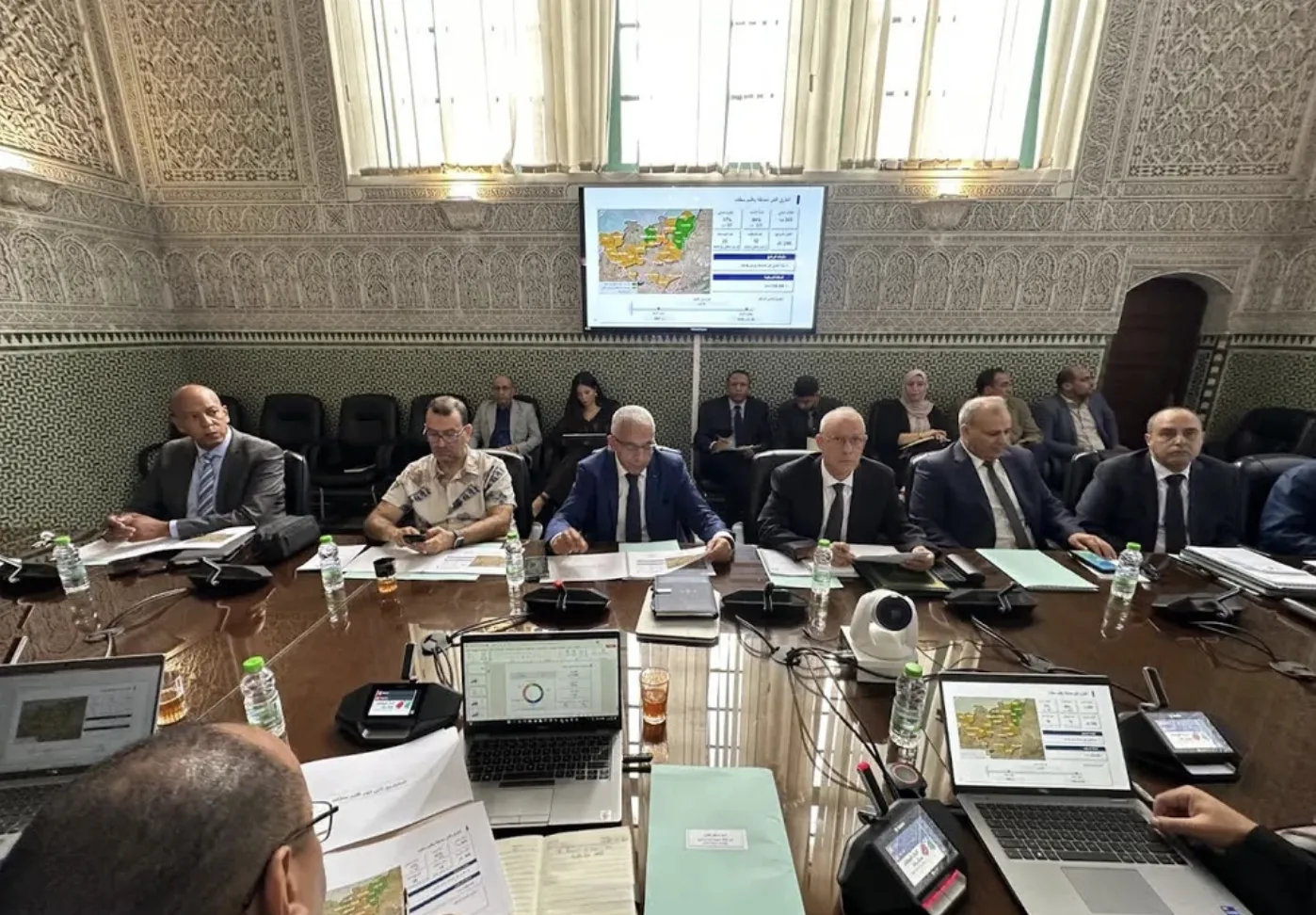
Exploring the Rising Tide of Money Laundering Cases in Morocco Recent exclusive data obtained by Goud has unveiled alarming insights into the increasing number of money laundering cases referred to judicial bodies across key Moroccan cities, including Fes, Marrakech, Rabat, and Casablanca. From January 1, 2026, to July 17 of the same year, the statistics clearly indicate a significant uptick in the prosecution of such serious financial crimes. The figures reveal that the Court of First Instance in Fes has received the largest share of these cases, accounting for a remarkable 56.31% (281 cases). Following closely are Marrakech with 23.25% (116 cases), Rabat at 17.64% (88 cases), and Casablanca, which recorded the lowest at 2.81% (14 cases). In total, there have been 499 cases referred during this period, showcasing the vigilant efforts of public prosecutors in tracking this complex type of financial and economic crime. These cases involve various individuals, including politicians, elected officials, and officials from different sectors, alongside those implicated in drug trafficking networks and others suspected of engaging in activities categorized under Articles 1-574 and 2-574 of the penal code, which criminalizes money laundering and intensifies penalties when linked to original crimes. It is noteworthy that some of these cases have already been presented to investigating judges responsible for adjudicating money laundering offenses within the four primary courts. However, the majority have been directly referred by the competent public prosecutor's office to the judicial bodies, which have already begun deliberating on several significant cases, leading to rulings in many instances. This vigorous judicial activity highlights the considerable efforts being made by the public prosecution service to advance proceedings and make timely referral decisions, reflecting a commitment to a robust and strict approach in combating money laundering. Such crimes pose a substantial threat to financial integrity and the national economy, frequently intertwining with organized crime. The figures recorded during this timeframe emphasize that the fight against money laundering has evolved from a mere slogan into an active judicial practice characterized by meticulous monitoring and the initiation of public prosecutions against all those found to be involved, regardless of their status or position. As reported by goud.ma.