
Morocco's Groundbreaking Leadership Change
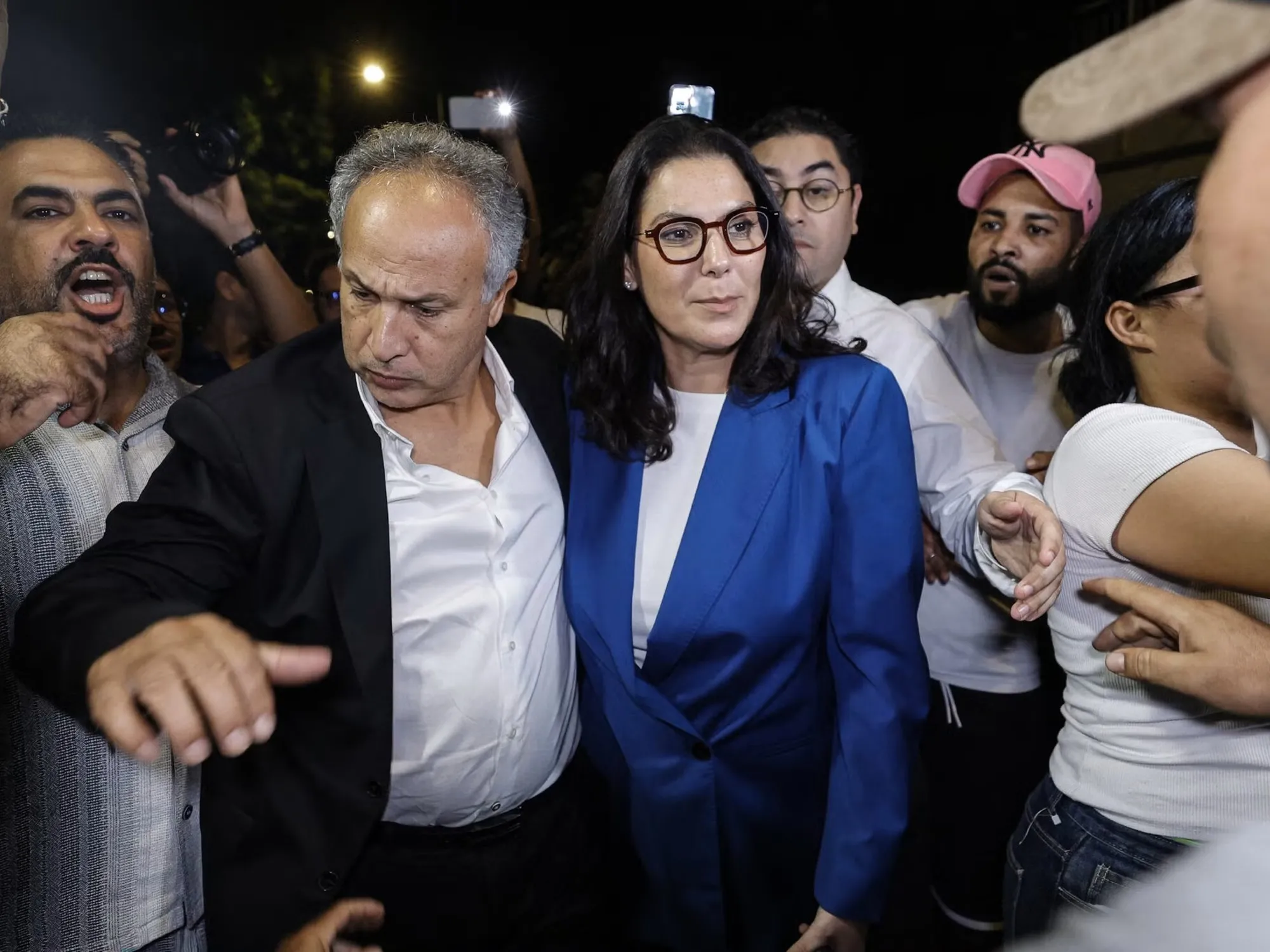
In a monumental shift for Moroccan politics, King Mohammed VI has appointed Fatima Ezzahra El Mansouri as the country's first female Prime Minister, marking a significant milestone in the region's political landscape. This historic appointment, announced this past Tuesday, not only highlights the evolution of gender roles within governance but also serves as a beacon of hope for women's representation across North Africa. El Mansouri, a member of the centrist Party of Authenticity and Modernity, expressed her pride in this achievement, stating, "This is not just a personal honor but a triumph for all women in Morocco." Her leadership comes in the wake of legislative elections characterized by notably low voter turnout, which has raised concerns regarding public sentiment towards the government and the overall political climate in the country.
El Mansouri's Background and Political Journey
At 50 years old, El Mansouri has a rich political background, having previously served as the mayor of Marrakech and as Minister of Urbanism and Housing. Her academic credentials include degrees in law from institutions in Morocco, France, and the United States. She comes from a prominent family, with her father being a notable lawyer and former ambassador, which underscores the complexities of privilege and representation in Moroccan society. Despite the progressive narrative surrounding her appointment, analysts caution that her privileged background may not accurately reflect the experiences of the majority of women in Morocco, many of whom still face significant societal challenges.
The implications of having a female Prime Minister are profound, particularly in a region where such leadership roles have traditionally been dominated by men. This appointment is seen as part of a broader effort by the Moroccan monarchy to modernize the image of the nation and promote gender equality. However, the path ahead for El Mansouri is fraught with challenges, including the need to build coalitions with other political parties after her party secured only 97 out of 395 seats in recent elections. The king's support will be crucial as she navigates the complexities of forming a government amidst public discontent regarding unemployment and public services.
As El Mansouri steps into her new role, she represents not just a new leadership dynamic but also the potential for transformative change within Moroccan society. Her appointment has sparked discussions on the progress of women’s rights in the country, with some experts suggesting that while legal reforms have advanced women’s rights, real societal changes remain slow. The international community is watching closely, as El Mansouri’s leadership could influence perceptions of Morocco as a modern Muslim nation committed to gender equality.
As reported by clarin.com.