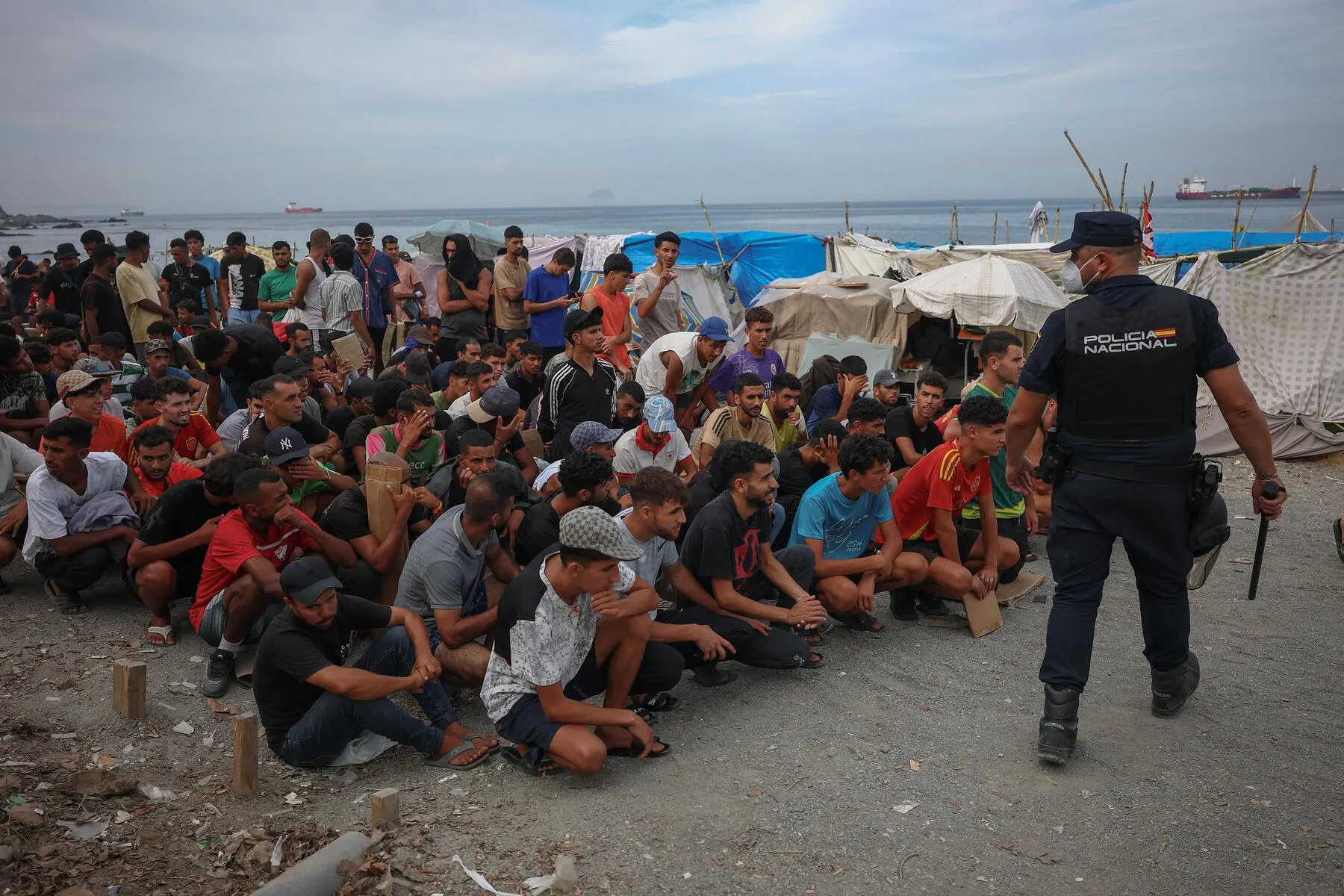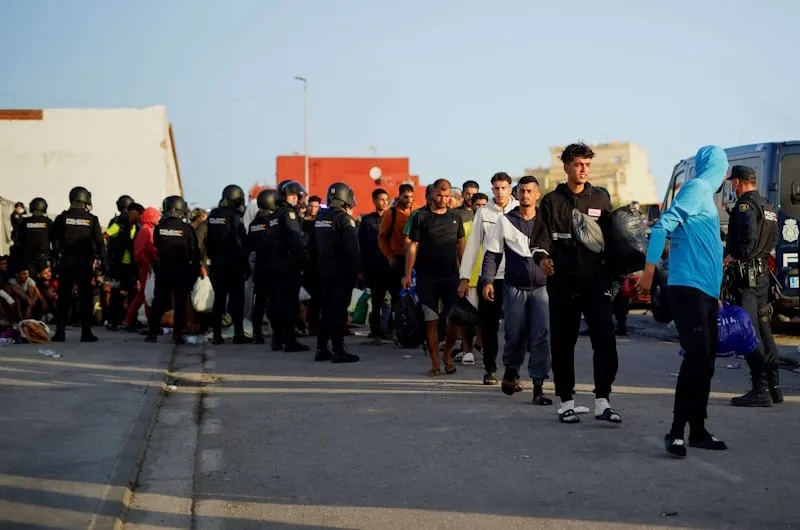

In a recent editorial, the Guardian reflected on the outcomes of Morocco's parliamentary elections, emphasizing that preparations for the World Cup will not alleviate the disappointment felt by an entire generation of Moroccans. The newspaper painted a vivid picture of young migrants swimming en masse from Moroccan shores to Ceuta, a stark illustration of the frustration experienced by a demographic where one-third of the population is aged between 15 and 30, and over a third of this age group is unemployed. The lack of opportunities is driving many young men to undertake perilous journeys to the European Union, with over 100 lives lost in these attempts, the majority due to drowning.
What is particularly alarming, as noted by the Guardian, is the absence of a suitable local response to this monumental generational challenge, especially in light of the recent parliamentary elections in Morocco. Following the Arab Spring, Morocco had introduced democratic reforms to its monarchy. However, a recent poll revealed a troubling decline in the youth's trust in politics, with only 38% of registered voters participating in the elections—the lowest turnout in two decades. Among those under 35, a mere 19% bothered to register, leading to less than a quarter of eligible voters actually casting their ballots. The right-wing coalition led by the Authenticity and Modernity Party maintained control under a hybrid democratic system where King Mohammed VI holds significant power, suggesting potential serious issues on the horizon.
The editorial urged that this apathy should not be mistaken for indifference, as just a year ago, a significant protest movement emerged, marking one of the largest demonstrations in Morocco since 2011, demanding investment in public goods such as health and education. Protesters expressed widespread anger over the massive government funds allocated to World Cup preparations for 2030, which Morocco will host alongside Spain and Portugal. One popular chant echoed through the streets: "Healthcare first, we don't want the World Cup." In response, authorities arrested thousands, amid allegations of brutal beatings, leaving hundreds still imprisoned.
As the youth have largely opted to disengage from mainstream politics, there have been verbal assurances regarding the need to encourage their participation in politics and elections. However, there seems to be little likelihood that the King and his future administration will heed calls to redirect resources from the World Cup, which predominantly benefits major cities and neglects rural areas. According to International Monetary Fund estimates, spending on the upcoming tournament could approach 12% of Morocco's GDP for 2024, and preparations are expected to dominate the country's political landscape in the next parliament. Many speculate that Fouzi Lekjaa, the President of the Royal Moroccan Football Federation, could be the next Prime Minister after joining the Authenticity and Modernity Party just weeks before the elections, although the King ultimately appointed Fatima Zahra Mansouri as the first woman to assume the role of Prime Minister.
In Ceuta, a humanitarian emergency continues to unfold, with thousands of people trapped in coastal camps. In just four years, Morocco will be in the global spotlight as it prepares to host the final of the World Cup at the Grand Hassan II Stadium, the largest football stadium in the world with a capacity of 115,000 spectators. Yet, among the disillusioned youth of the country, there lies a yearning to divert attention from this sporting spectacle towards more pressing needs for sustenance and the construction of a far brighter future.
As reported by alquds.co.uk.