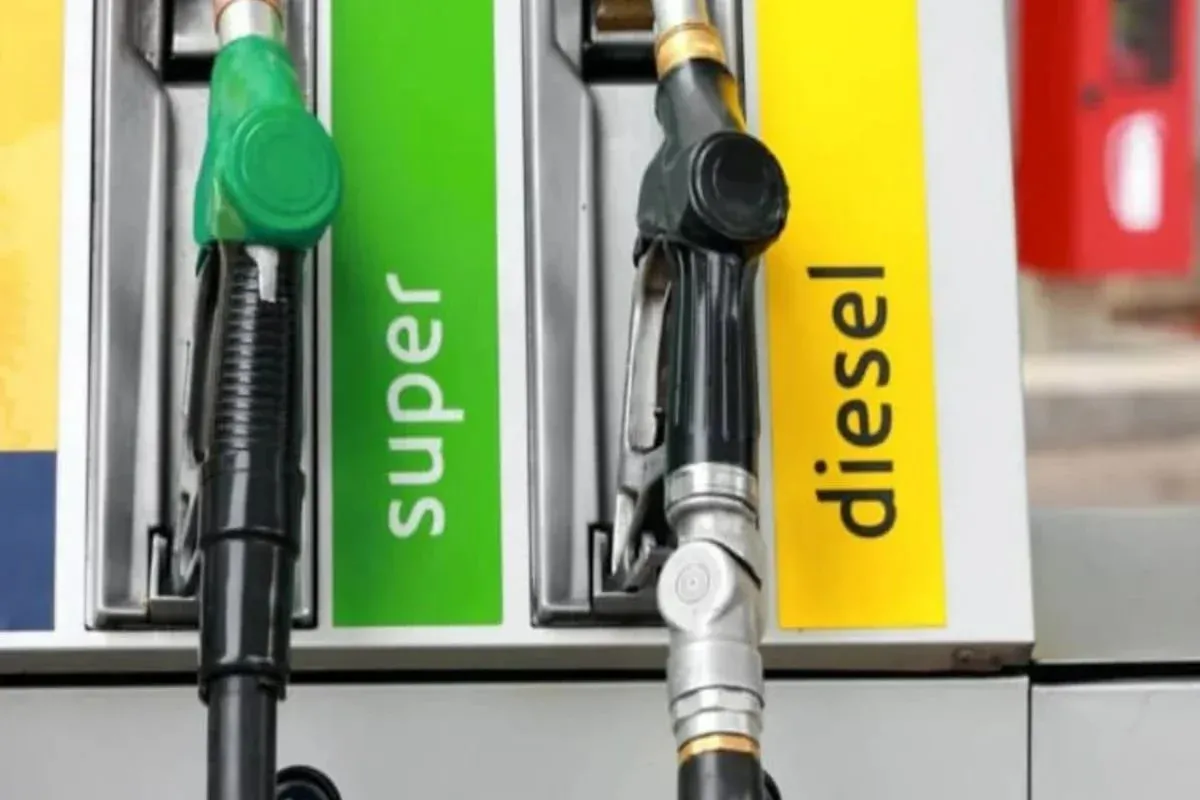

As of Thursday, October 1, 2026, Morocco has witnessed another increase in fuel prices, with diesel (gas oil) surpassing 16 dirhams per liter, continuing a rising trend that began in mid-July. The specialized energy platform, based in Washington, reported that the price of diesel at several fuel stations has reached approximately 16.10 dirhams (about 1.66 USD), while gasoline is priced around 15.60 dirhams (approximately 1.60 USD). Minor variations in prices exist depending on the distribution company and the location of the station.
This new hike in fuel prices in Morocco comes amid pressures from global oil and fuel markets, coinciding with ongoing geopolitical tensions in the Middle East that continue to affect supply and pricing. In response, the Moroccan government has decided to maintain direct and exceptional support for workers in the road transport sector, aiming to keep transportation service prices stable without increases.
Current Fuel Prices in Morocco
The latest increase in fuel prices took effect at distribution stations across the kingdom from the early hours of Thursday, following an announcement from fuel distribution companies regarding the revision of selling prices. According to the recent adjustments, diesel prices have risen by about 0.80 dirhams per liter, reaching around 16.10 dirhams per liter, while gasoline has increased by approximately 0.39 dirhams per liter, now priced at around 15.60 dirhams per liter. (1 USD = 9.72 Moroccan dirhams)
It is important to note that the prices observed at fuel stations are subject to slight differences based on the city and distribution company due to variations in transportation costs, logistical services, and corporate margins. Therefore, the mentioned prices do not represent a uniform rate throughout the kingdom.
Trends in Fuel Prices in Morocco
In recent months, fuel prices in Morocco have experienced a series of fluctuations, marked by a combination of increases and decreases that align with significant variations in global oil prices and refined products. In the latter half of September, diesel was priced at approximately 15.30 dirhams per liter, while gasoline reached about 15.20 dirhams. Diesel prices have seen a steady increase since mid-July, escalating by approximately 0.69 dirhams, followed by a further rise of nearly one dirham at the beginning of August, and an additional increase of about 0.65 dirhams mid-month. A slight rise of 0.06 dirhams was recorded at the beginning of September, followed by a 0.34 dirham increase mid-month, culminating in the latest price hike at the start of October.
Comparing these prices to early July, when diesel was approximately 12.61 dirhams per liter, the current price of around 16.10 dirhams reflects an increase of nearly 3.49 dirhams, or around 27.7% over three months. Meanwhile, gasoline has shown less volatility, with minor increments and adjustments throughout the same period.
The rise in fuel prices in Morocco is closely linked to ongoing pressures in global energy markets, as the country relies on imports to meet its petroleum product needs. Local price movements are influenced by the cost of purchasing petroleum derivatives from international markets, along with transportation, storage, distribution costs, exchange rates, corporate margins, and taxes. According to the Moroccan Competition Council, fuel distribution companies particularly monitor international prices based on refined products in the North West European market, specifically in the Amsterdam-Rotterdam-Antwerp region. Recent months have seen increased pressures due to the geopolitical tensions in the Middle East, which have impacted oil markets and supply flows, affecting forecasts for crude oil and refined product prices.
In light of these developments, the Moroccan government has confirmed the regular supply of the local market and the availability of a strategic reserve of liquefied petroleum gas and diesel sufficient for 40 to 60 days. The government will continue to provide direct and exceptional support to workers in the road transport sector, with adjustments made according to fluctuations in fuel prices to ensure public transport services remain at current rates without increases.
As reported by attaqa.net.