
Strengthening Morocco's Airport Infrastructure Through Strategic Investment
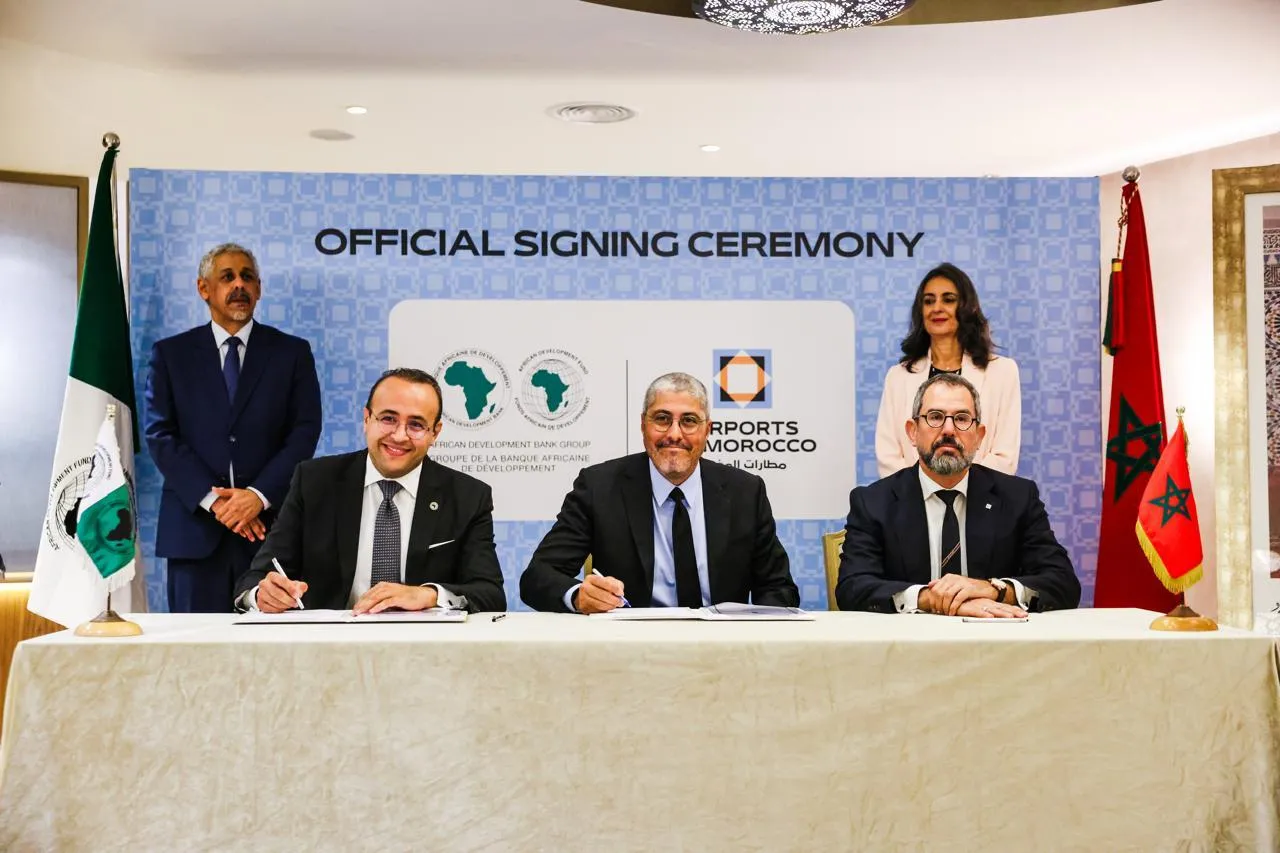
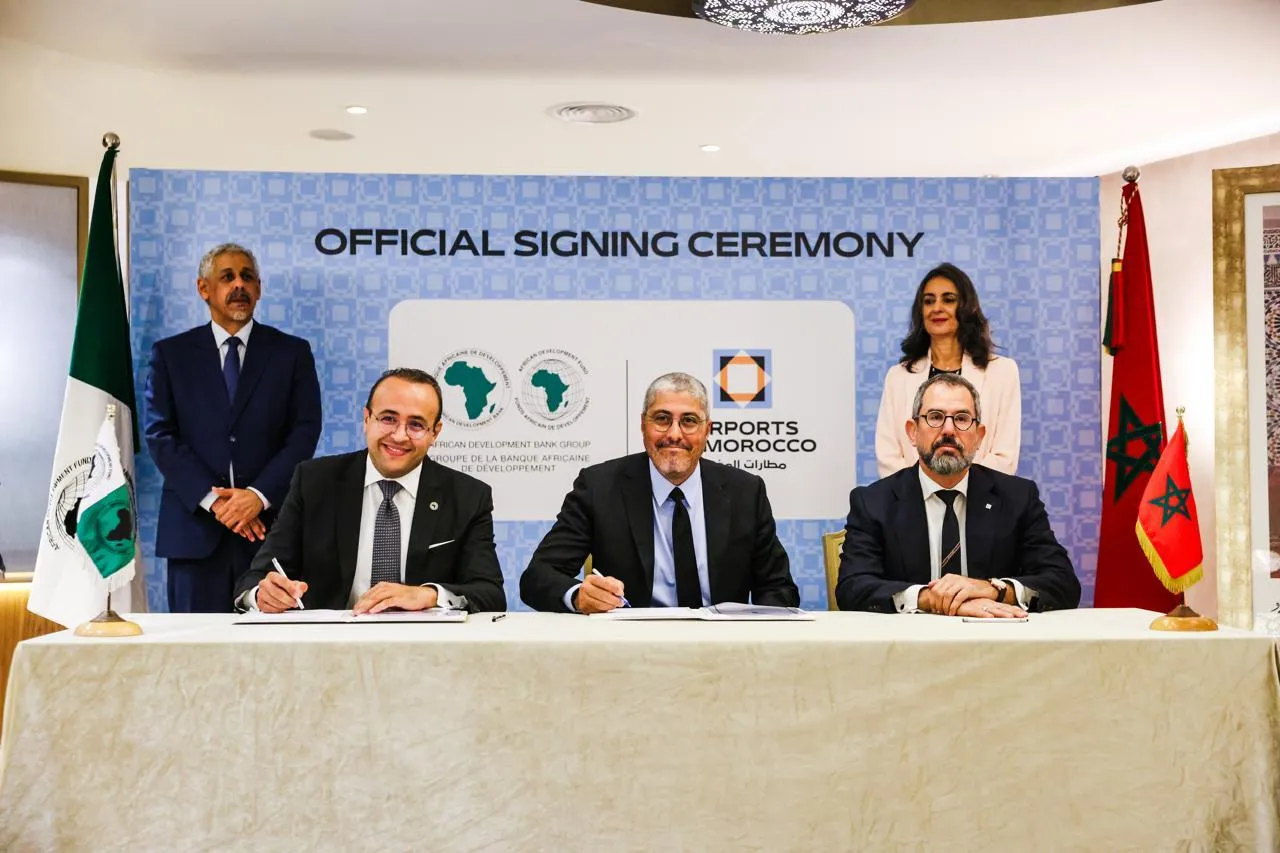
The President of the African Development Bank (AfDB), Sidi Ould Tah, alongside the Minister of Economy and Finance, Nadia Fettah, recently presided over the signing ceremony of a significant financing agreement aimed at the Airport Infrastructure Expansion and Modernization Program (PEMIA). This pivotal loan is designed to support Morocco's ambition to modernize and enhance its airport capacities, particularly in strategic locations such as Marrakech, Agadir, Fes, and Tangier. Ould Tah emphasized that this initiative not only aligns with Morocco's goals but also contributes to the continent's broader efforts under the Integrated Aviation Transformation Program in Africa (IATP), which aims to help African nations modernize, finance, and integrate their air transport systems.
Transforming Airports to Accommodate Future Growth
Minister Nadia Fettah acknowledged the AfDB's commitment, remarking that "no major reform or project has been undertaken without the financing support of the AfDB" and expressed gratitude for their involvement in the aviation sector. The PEMIA outlines plans for the upgrading of airport infrastructures, expansion of navigation systems, and enhancement of security measures. Airports will be equipped with state-of-the-art security technologies and automated baggage handling systems, while digital solutions will streamline the travel experience for passengers.
These investments come at a time when passenger and freight traffic is expected to rise significantly in the coming years. By 2030, the airport capacity in Marrakech is projected to reach 14 million passengers, with Agadir accommodating 5 million, Tangier 3.6 million, and Fes 3 million. This project aims to reinforce Morocco's ambition to establish itself as a key aviation hub connecting Africa, Europe, and the rest of the world while supporting the implementation of the "Tourism Vision 2030".
Moreover, the program is anticipated to generate substantial economic and social benefits. In the short term, it will enhance the safety of airport operations and create thousands of jobs, particularly for youth and women. In the medium term, it is expected to promote tourism, trade, and logistics activities, while stimulating associated public and private investments in air transport.
As reported by laquotidienne.ma.