
The Continuing Challenges at Ceuta's Border
As two months have passed since the unprecedented assault on the border of Ceuta, the Spanish government finds itself under heightened scrutiny regarding its political and operational management of the crisis. The complexities surrounding this situation remain unresolved, despite claims made by certain ministers, who, drawing inspiration from a tweet-styled rhetoric, hastily declared back on August 1st that the crisis had been successfully addressed by Prime Minister Pedro Sánchez. The reality is far more complicated, and it has become increasingly clear that the handling of events has not only been inadequate but has also highlighted significant failures in political management.
This political mismanagement is of particular concern for La Moncloa, where the current occupants demonstrate an obsessive need to control the narrative surrounding their actions. The key priority for the advisors of Sánchez appears to be the management of public perception; they are more preoccupied with steering discussions away from topics that could tarnish the president's public image rather than confronting the pressing issues at hand. This approach has been detrimental, revealing a growing disconnect between the government and societal sentiments.
Political Implications and Future Outlook
In the past two months, Sánchez's administration has exhibited a concerning inability to gauge the public mood effectively. Historically, the socialist leader has been praised for his foresight and adeptness at navigating political obstacles. However, the current circumstances reflect a stark departure from this narrative, leading many—both supporters and opponents—to perceive this political misadventure as a sign that Sánchez's leadership may be entering a twilight phase. Whether this sentiment holds true remains to be seen, as politics is inherently unpredictable, capable of swift reversals in fortune.
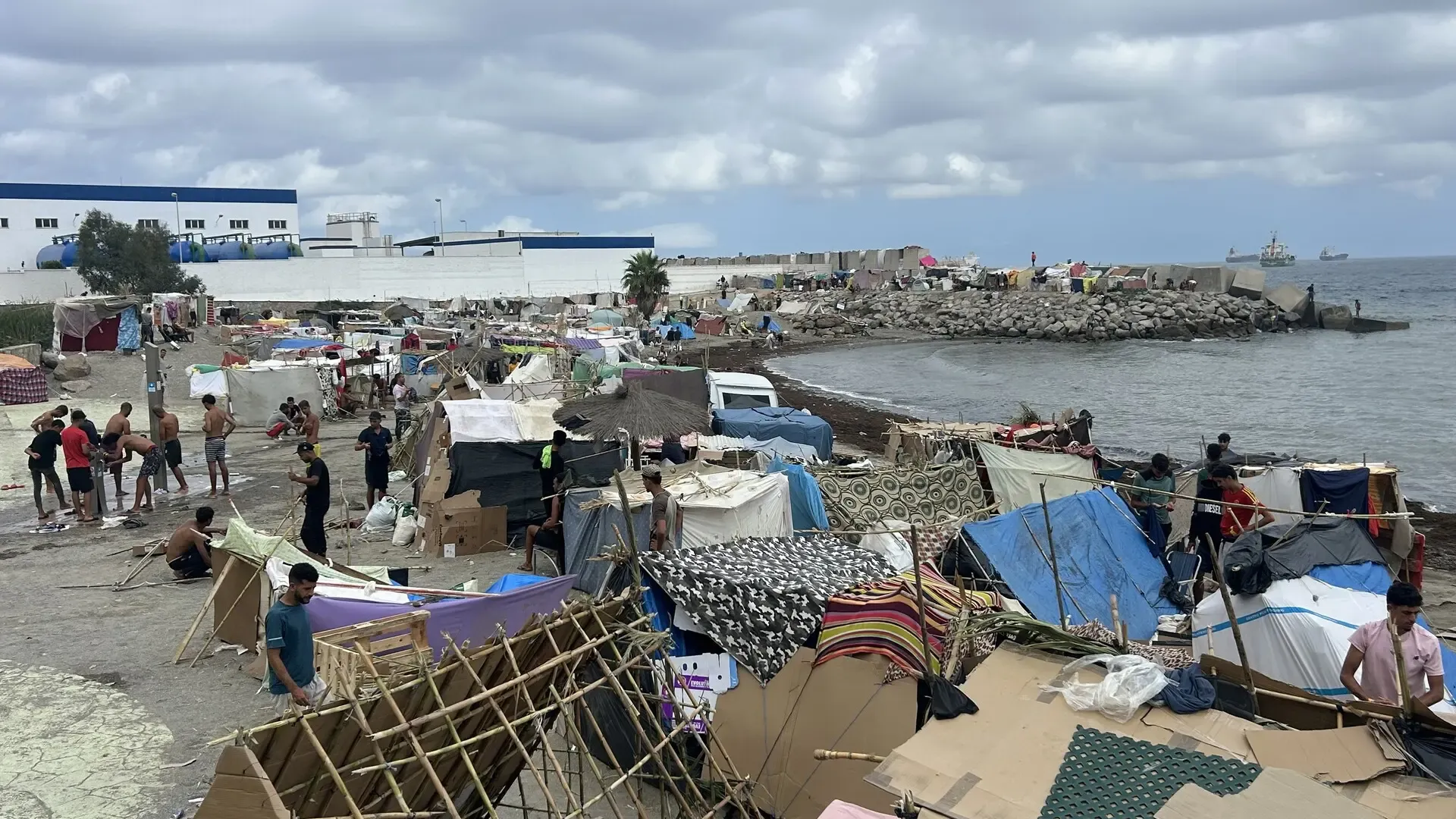
Compounding these issues is the ongoing struggle to manage the humanitarian crisis at Ceuta's border, where the influx of migrants continues to pose significant challenges. As temporary camps are established, the government faces criticism for inadequate resources and support, raising questions about its long-term strategy for addressing this multifaceted dilemma. The situation serves as a poignant reminder that effective governance requires not only immediate responses but also sustainable solutions that prioritize the welfare of all stakeholders involved.
As reported by 20minutos.es.