Morocco's Strategic Advances in Western Sahara Negotiations
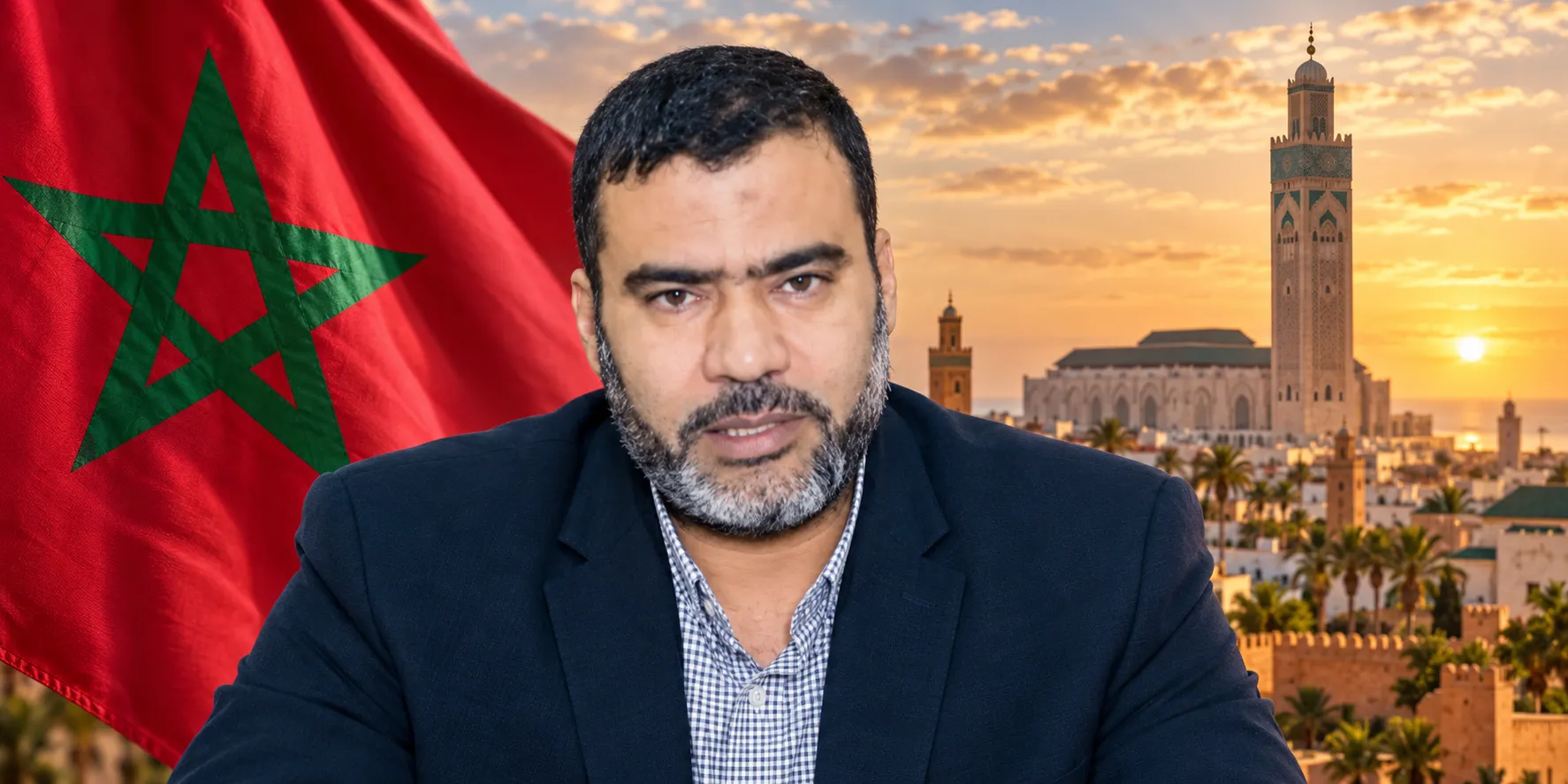
On October 25, 2026, Ahmed Nour Eddin, a prominent expert in Western Sahara affairs and international relations, emphasized the significance of the preliminary draft resolution presented by the United States to the United Nations Security Council regarding the Western Sahara conflict. He described this document as a pivotal turning point that could lead to the definitive resolution of the long-standing issue, asserting that if adopted without modifications, it would bring Morocco 70% closer to a final resolution of this regional dispute. During a press statement, Nour Eddin urged caution in interpreting the initial reading of the draft until further clarifications are made. He raised concerns about the authenticity of leaked English versions, warning that the contents might be subject to manipulation or alteration which could adversely affect Morocco's interests. He pointed out that even a single term in legal texts and Security Council resolutions could significantly change the entire meaning of the document.
Nour Eddin highlighted a major gain found in paragraph seven of the draft, which notably surpasses previous formulations that merely regarded Morocco's autonomy proposal as a basis for negotiations. In this iteration, the Security Council acknowledges that Morocco's updated autonomy proposal is the "only possible solution" to end the conflict in Western Sahara. He expressed great satisfaction over the removal of the phrase "true autonomy," which had previously been introduced by UN envoy Staffan de Mistura, reflecting Algeria's skepticism towards Morocco's initiative. Instead, the term was replaced with the innocuous phrase "updated autonomy," referring to Morocco's 2007 proposal.
Another crucial point raised by Nour Eddin pertains to the enumeration of the population in the Tindouf refugee camps, as stipulated in paragraph ten of the draft. This demand, which he has advocated for over a decade, is seen as a decisive step toward closing these camps. The resolution not only mentions the census generally but also includes specific details requiring the UN High Commissioner for Refugees to conduct an individual census. This process would entail each person residing in the Tindouf camps entering a designated area where they can be counted without the presence or pressure from Algerian representatives or separatist factions. Nour Eddin noted that this would facilitate the identification of the actual population from the Southern Provinces, distinguishing them from individuals who may have been brought from Mali, Mauritania, Algeria, or other regions.
Furthermore, the resolution specifies that after verifying the identities of those in the camps, individuals will be required to answer three crucial questions regarding their desire to remain in the camps, return to their homeland in Morocco’s Southern Provinces, or move to a third country willing to accept refugees, such as Scandinavian nations, Australia, or New Zealand. Nour Eddin argued that should the census be conducted in this manner, virtually no one would remain in the harsh conditions of the "Hamada" region, which he compared to a severe oven where temperatures can soar to 50 degrees Celsius in the summer and plummet to freezing in the winter, compounded by a lack of sanitation and basic living conditions.
He stressed the importance of the Security Council's directive, which does not leave the recommendation vague but rather sets a clear six-month deadline for the UN Secretary-General and the mission to carry out the census in accordance with international law after the anticipated resolution is released on October 31. Nour Eddin also addressed the fate of the MINURSO mission in paragraph nine of the draft, noting that despite his advocacy for the complete termination of this mission to ultimately resolve the issue, the proposed revision of its mandate aligns with 50 to 60 percent of his suggestions and benefits Morocco.
The draft calls for the UN Secretary-General to terminate at least 50% of the military component of the MINURSO mission by December 2026, consolidating units deployed in the Southern Provinces or Tindouf into a single center, which could lead to a reduction of military personnel by as much as 70 to 100 percent. Additionally, the resolution requests the UN Secretary-General to propose a reorganization of the mission into purely civilian and political roles to oversee the final resolution of the dispute. Nour Eddin expressed hope that the mission would be entirely concluded six months after the refugee census and dismantling of the camps, either through acceptance of Morocco's proposal or by declaring the obstruction of the other party and thus closing the file in the Security Council and reverting it to the General Assembly, as suggested by former UN Secretary-General Kofi Annan in 2004, along with a complete cessation of the MINURSO mission.
In a fourth point, Nour Eddin reflected on the historical mistake of Morocco negotiating directly with the separatist front, which he argued allowed what he termed "Algerian separatist propaganda" to falsely claim that the front represented the Sahrawi population without any legal basis. He reminded that the front's signing of the ceasefire agreement in 1991 was not with Morocco but with the UN mission, which was merely an armed militia ensuring security for the mission to operate at that time. He reiterated that the draft resolution considers a proposal he has long advocated for—"dissolving the separatist front" amidst genuine representations of the population at the negotiation table with the UN envoy, primarily including locally elected officials from the Southern Provinces and parliamentarians who enjoy the legitimacy of democratic elections observed by international monitors in previous electoral processes.
Moreover, he indicated that negotiations would also involve civil society groups and movements that have revised their positions in favor of Morocco's historical unity and legitimacy, such as the "Sahrawis for Peace" movement and the "El Khalil Stream," led by former front leader Mahjoub Salek, who has faced obstacles from Algerian authorities and was barred from returning to Tindouf camps or running against the current leader of the separatists in the farcical elections of 2016 following the death of Mohamed Abdelaziz. By incorporating these forces alongside other movements like the "March 5" movement and various unifying civil society associations in the Southern Provinces, the separatist front, influenced by Algeria's directives, would be reduced to merely one among 10 or 12 voices in negotiations, diminishing its influence to nearly zero, thereby paving the way for the UN to make a final decision based on the majority’s consensus backing Morocco's proposal.
Nour Eddin connected these developments with the statement released by the separatist front, which rejected the draft resolution on the grounds that it reflects the American position, suggesting that this announcement foreshadows Algeria's future stance as the party encouraging the front's destructive role in hindering a resolution. He concluded that Algeria aims to maintain the status quo, viewing it as a "stone in Morocco's shoe" to obstruct its development and politically, diplomatically, legally, and financially exhaust it through continuous pressure and an arms race, citing Algeria's recent maneuvers involving Mauritania, Spain, and France aimed at obstructing any final settlement of the issue.
As reported by pjd.ma.