Morocco's Ambitious Port Development Strategy
The Kingdom of Morocco is witnessing an unprecedented structural transformation in its port sector, deeply rooted in a rich cultural and historical legacy that has seen Moroccans connected to the sea for centuries. Historically, Morocco boasted one of the most formidable naval fleets, complemented by robust ports and coastal fortifications. In modern times, this historical maritime connection is being revitalized through an ambitious port strategy that was unveiled under the guidance of His Majesty King Mohammed VI. This strategy is part of the National Port Strategy aimed at 2030 and the National Logistics Competitiveness Development Strategy, both of which have been in preparation and implementation since 2010.
This comprehensive approach includes the modernization and expansion of major and medium-sized commercial ports, fisheries ports, recreational tourism ports, ship maintenance, and manufacturing facilities, culminating in a strategic vision focused on excellence and international and African partnerships.
Leading Indicators and International Recognition of the Port Sector
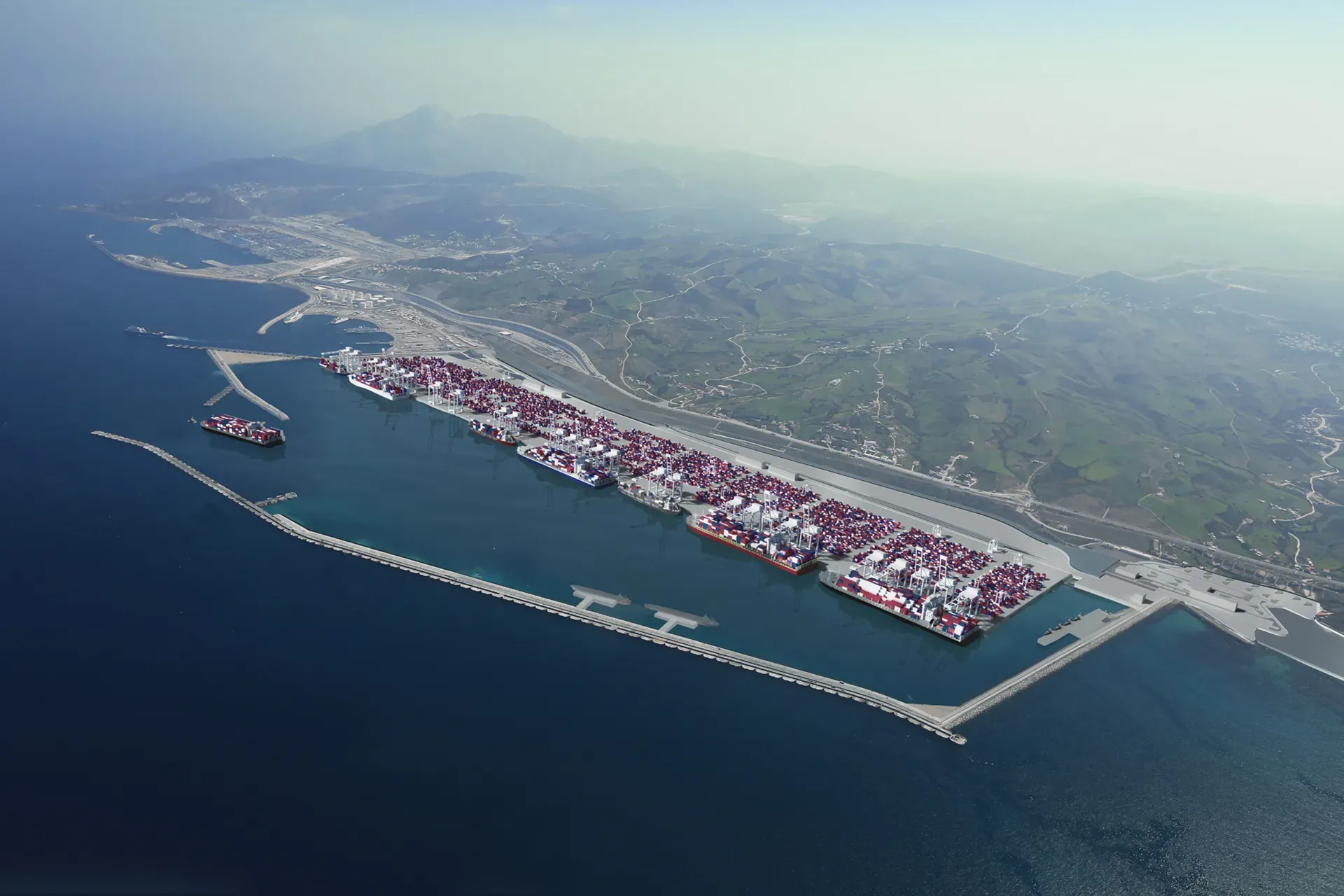
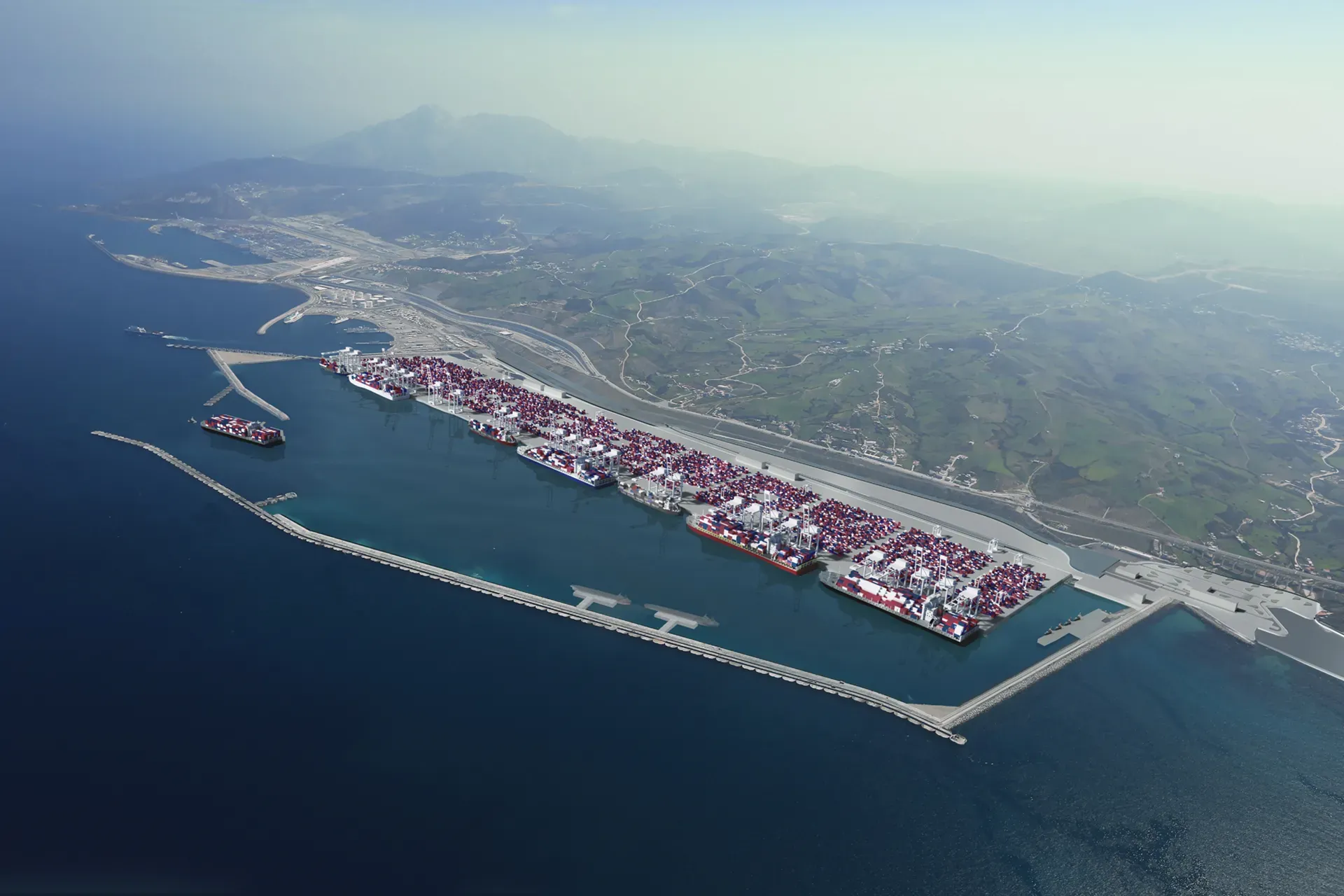
Today, the Moroccan port sector is reaping the benefits of a forward-thinking vision that has garnered prestigious international recognition. The Port of Tangier Med has ascended to the fifth position globally among 405 container ports in the Container Port Performance Index (CPPI) published by the World Bank and S&P Global for 2024, following a previous ranking of fourth. This achievement underscores Morocco's increasing appeal as a global logistics hub.
Furthermore, for the first time, Morocco topped the African Manufacturing Index issued by the African Development Bank for 2025, surpassing South Africa, thereby affirming the successful synergy between port infrastructure and industrial development. With this accelerated pace, Morocco now ranks among the top 20 countries in global maritime logistics services, with aspirations to break into the top ten by 2030, coinciding with the completion and operation of a new generation of large ports. The anticipated shift is expected to increase the handling capacity from approximately 263 million tons in 2025 to over 300 million tons.
To support the national economy and international trade, Morocco's port policy is characterized by a continuous dynamic aimed at developing and expanding commercial infrastructure. Central to this system is the Port of Casablanca, historically the most significant hub for imports, exports, and commercial exchanges, followed by the Port of Agadir, a vital Atlantic center facilitating trade exchanges and agricultural and marine exports.
Additionally, the integration of new mega ports includes Tangier Med as a major gateway to Europe, Africa, and the Americas, along with the recently operational Port of Nador West Med, which welcomed its first container ship on September 21, 2026. With an annual capacity of approximately 3.4 million twenty-foot equivalent units (TEUs), it is part of a larger infrastructure capable of handling around 5 million containers. The Atlantic Port of Dakhla, currently over 62% complete, is set to become a strategic gateway to Africa and the Atlantic.
Morocco's port infrastructure also encompasses specialized and industrial ports like Jorf Lasfar, the largest in Africa for chemical and phosphatic activities, alongside ports in Safi, Mohammedia for hydrocarbons, and a new phosphate port in Laayoune that services the "Phosboucra" system. Importantly, the benefits of this extensive network extend beyond coastal regions, connecting inland and non-coastal areas through a growing network of highways, expressways, railways, and high-speed train lines that enhance domestic economic access to international markets, fostering balanced and equitable regional development.
The maritime strategy places significant emphasis on fisheries ports as a foundational pillar for food security and the socio-economic development of the Kingdom. A comprehensive update of the extensive network of fisheries ports along both the Mediterranean and Atlantic coasts has been undertaken, including ports in Tan Tan and Laayoune, alongside advanced facilities integrated within major ports such as Agadir and Dakhla. These facilities are designed with cutting-edge infrastructure to ensure the efficient unloading, marketing, and valorization of marine and fishery products, thereby strengthening food value chains, supporting sustainable regional development in coastal areas, and creating promising job opportunities that meet local community aspirations.
Moreover, the port policy significantly focuses on recreational ports and marine tourism, reflecting an integrated approach that combines economic development with urban planning. This commitment is evident through the establishment and development of recreational ports and marinas along Morocco's coastlines. These facilities play a vital role in attracting yachts and international marine tourism, injecting economic and cultural vitality into coastal cities, while reinforcing a blue economy that values the Kingdom's maritime resources and deepens citizens' connection to the sea.
Shipbuilding and maintenance facilities represent a strategic shift in national port policy aimed at achieving maritime industrial sovereignty. Major ports are now incorporating specialized maintenance and construction facilities, with the Atlantic Port of Dakhla standing out as a leading model featuring a comprehensive infrastructure for ship manufacturing, construction, and repair. This industrial momentum aligns with royal directives advocating for the establishment of a strong and competitive national commercial fleet, continuing prior experiences in maritime transport, including the launch of Africa Morocco Links (AML) in 2016, which aims to control a vital portion of international trade exchanges and connect Moroccan ports with their African counterparts, while countering any attempts at maritime blockade and enhancing skill development and job training opportunities for youth in advanced marine professions.
In conclusion, Morocco is witnessing a maritime revolution that has emerged from the commercial and fisheries ports, poised to expand into wide-ranging prospects encompassing maritime and defense industries, the investment of marine minerals and energy, marine sports, and numerous other avenues for prosperity. In less than twenty years, Morocco has reclaimed its maritime strength and the glory of its coastlines, which have long served as symbols of economic and military power, establishing bridges of development and sovereignty from its historic shores into the depths of its land borders.
As reported by aljazeera.net.