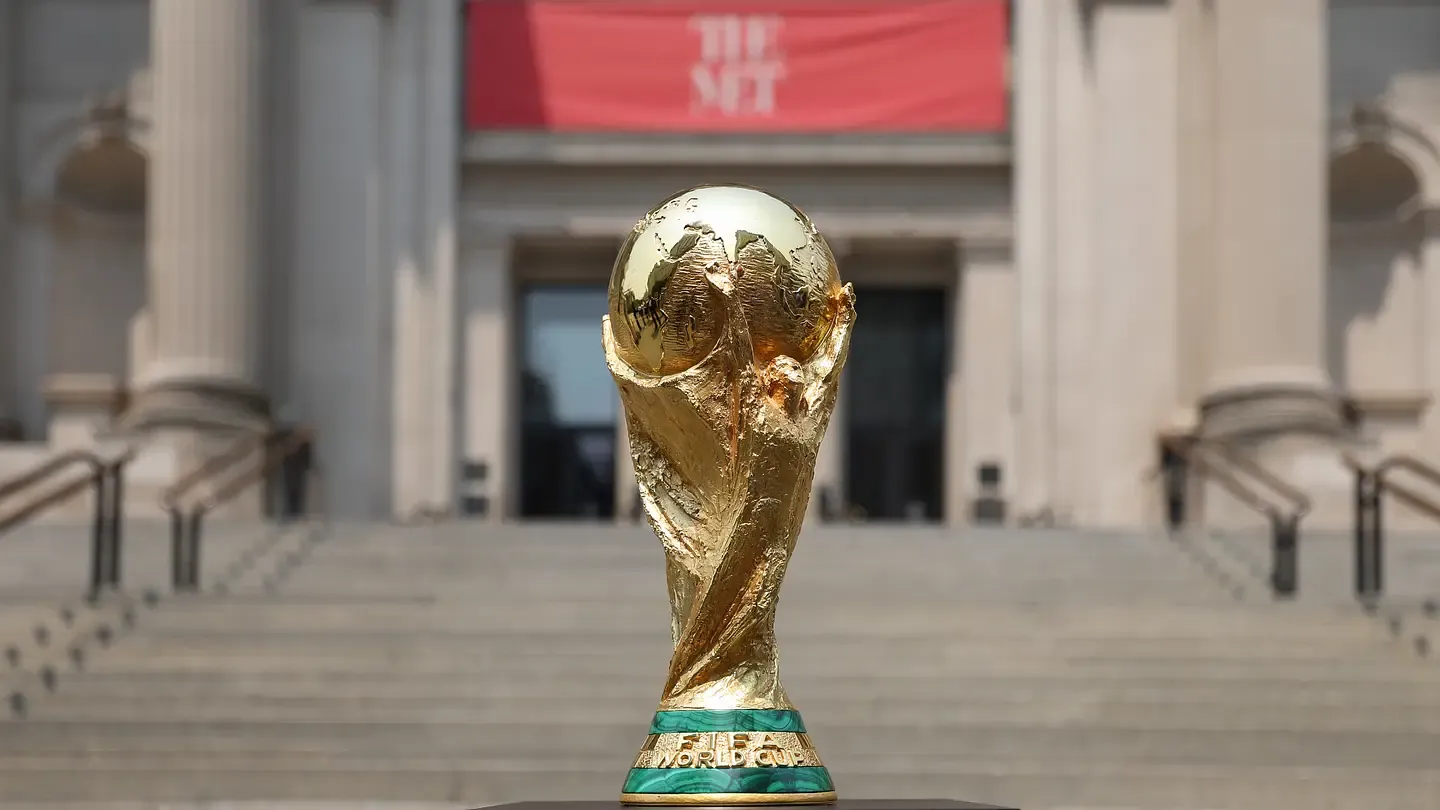
The Unprecedented 2030 FIFA World Cup
Following an unforgettable 2026 World Cup, the global football community eagerly anticipates the next edition of the tournament set to take place in 2030. This upcoming event promises to reignite dreams of glory among nations, as powerhouse teams aim to expand their trophy cabinets while those yet to claim the title strive to etch their names in history with their first star. The 2030 FIFA World Cup will be remarkable, not just for the competition, but for the unique circumstances surrounding it, which will undoubtedly set a new precedent in the annals of football.
Historic Multinational Hosting and Format
This edition of the World Cup will be a historic first, as it unfolds across three continents, with the majority of matches hosted in Spain, Portugal, and Morocco. These three nations will serve as the primary venues for the tournament, with the opening match featuring teams from Argentina, Uruguay, and Paraguay taking place in honor of the centenary of the World Cup, which initially kicked off in Uruguay. FIFA's Council has unanimously agreed to hold a unique centennial celebration in Montevideo, along with three matches in Uruguay, Argentina, and Paraguay, marking this significant occasion in football history.
The final venue remains under consideration, with the newly constructed stadium in Casablanca as a frontrunner alongside the iconic venues of Real Madrid and FC Barcelona. All three stadiums boast the largest capacities among the host cities, but ultimately, the decision will lie with FIFA. Furthermore, there is a cloud of uncertainty surrounding the tournament's competitive format. In March 2025, CONMEBOL proposed an expansion to 64 teams for this centennial edition, a suggestion that has sparked controversy due to the potential inclusion of approximately one-third of FIFA’s member nations. Should this proposal not be accepted, the tournament will proceed with the same structure as the 2026 World Cup.
The allure of the World Cup is undeniable, but the prospect of hosting it across six nations and three continents adds a layer of uniqueness that is hard to overlook. The centenary celebration of the first tournament will undoubtedly serve as an additional draw for fans and participants alike. As the new generation of footballers emerges, icons like Lionel Messi, Neymar, and Cristiano Ronaldo will have hung up their boots, paving the way for stars like Kylian Mbappé, Lamine Yamal, and potentially Erling Haaland to take center stage. Spain, Portugal, and Morocco will serve as the fixed venues, while Argentina, Uruguay, and Paraguay will each host a match to commemorate the centennial.
While official confirmation is still pending, it is expected that 48 teams will participate in the 2030 World Cup, with CONMEBOL's proposal for 64 teams still awaiting a response. The grand finale is scheduled for July 21, 2030, at a venue yet to be confirmed, with Barcelona, Madrid, and Casablanca all in contention for hosting the prestigious match. The decision to include Spain, Portugal, and Morocco as the primary hosts was made unanimously by FIFA's Council, although CONMEBOL's request for specific matches to be held in celebration of the centenary has been acknowledged.
As we move forward, the trend of joint bids from various countries is likely to continue, provided that the number of participants in the World Cup remains unchanged. The inaugural match is set for June 8, 2030, and is expected to take place at the Estadio Centenario in Montevideo, with Uruguay as one of the focal points of this historic event.
As reported by si.com.