Morocco's Flourishing Hospitality Sector
As Morocco positions itself as the most-visited nation in Africa and gears up to host the FIFA World Cup in 2030, the country is witnessing a remarkable surge in infrastructure and hospitality development. This pivotal moment is set to showcase Morocco's evolution into a prime destination for global capital investment, with the Morocco Showcase event in Casablanca serving as a platform for this transformation. The Société Marocaine d'Ingénierie Touristique (SMIT), Morocco’s tourism development agency, has taken the lead as the institutional investment partner for the third annual event, which aims to highlight the kingdom's ambitious plans to enhance its hospitality offerings by adding 60,000 hotel beds in anticipation of the World Cup.
Global hotel chains, such as the Radisson Hotel Group, are expressing robust confidence in Morocco's potential, with plans to increase their presence from 11 to 30 hotels by the year 2030. Erwan Garnier, Associate Vice President of Development at Radisson, emphasized the attractiveness of Morocco as a destination for hotel development, citing significant investments in infrastructure and a clear commitment to expanding the tourism sector. He noted that the Morocco Showcase is a critical opportunity for investors, developers, and operators to forge partnerships and advance projects that align with the country's growth trajectory as it approaches the World Cup.
Investor Confidence and Market Expansion
The hospitality landscape in Morocco is set for a significant boost, as highlighted by the W Hospitality Group's 2026 Hotel Chain Development Pipelines in Africa report, which ranks Morocco as the second most promising market on the continent. The report projects a pipeline of 75 hotels and 10,606 rooms, with a substantial percentage slated to open in 2026 and 2027. David Desta, Vice President of Hotels & Hospitality at JLL, noted that Morocco's appeal as a hospitality investment destination is bolstered by strong visitor demand, improved air connectivity, government-supported tourism initiatives, and the ongoing growth of international hotel brands. He anticipates sustained interest from investors across the hospitality and real estate sectors, particularly in key cities such as Casablanca and Marrakech.
Recent transactions underscore this trend, including the acquisitions by Casablanca-listed owner-operator Risma, which spent $67 million on major developments, and the $46 million sale of the Sofitel Casablanca Tour Blanche. These moves reflect a vibrant capital market, further enhanced by the Casablanca Stock Exchange's robust performance. With a market capitalization exceeding MAD 1 trillion ($103 billion) and the introduction of new financial instruments, investor confidence in Morocco's growth potential is palpable. Additionally, the Mohammed VI Investment Fund has engaged Kasada, a pan-African real estate firm, to manage a tourism fund that aligns with Morocco’s ambitious development goals, further reinforcing the country's investment-grade status affirmed by S&P Global and Moody’s.
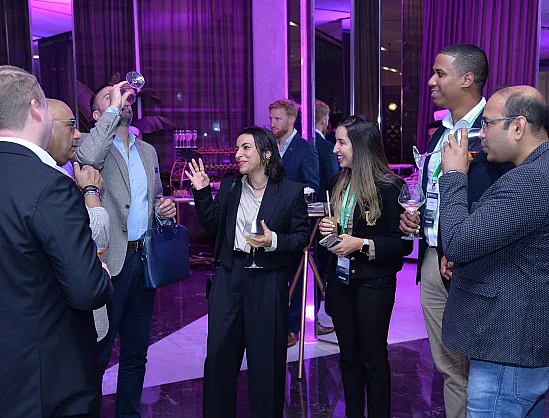
As Morocco prepares for the Morocco Showcase event on November 26, hosted at the Marriott Hotel in Casablanca, key discussions and expert-led sessions will focus on various aspects of the hospitality industry, including hotel performance metrics, the scaling of local and regional operators, and the entry of boutique luxury and eco-tourism brands into the market. The event will culminate with the Morocco Showcase Awards gala dinner, celebrating achievements in various sectors, including commercial, residential, and green development. This gathering is poised to shape the future of Morocco's hospitality and real estate landscape, setting the stage for a thriving economy as the nation looks ahead to 2030 and beyond.
As reported by zawya.com.