Controversy Surrounds Moroccan Symbols in Algerian Military Video
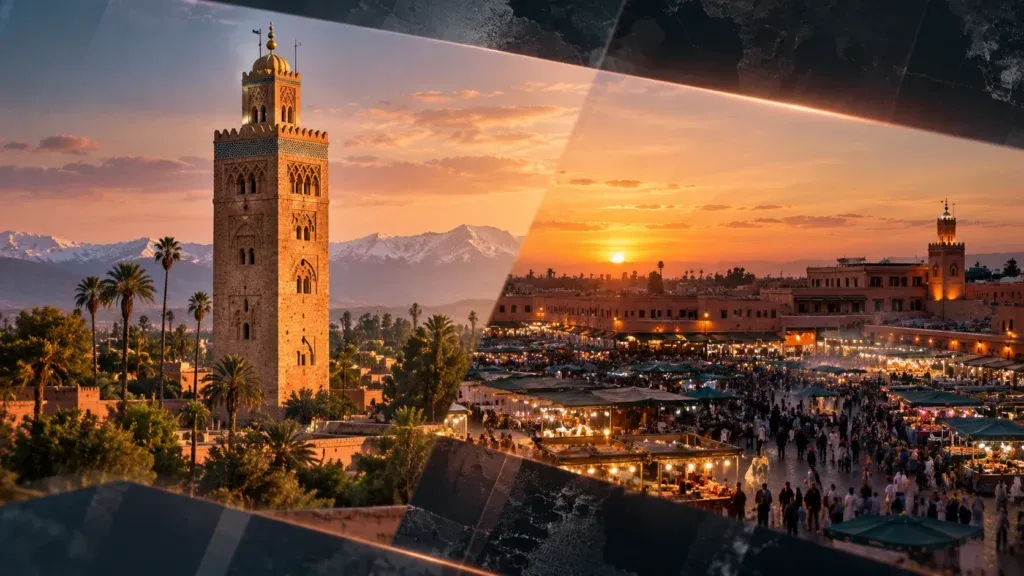
In a recent promotional video released by the Algerian Ministry of Defense on its official account on the platform formerly known as Twitter, the iconic landmarks of Marrakech, specifically the Koutoubia Mosque and Jemaa el-Fnaa square, have sparked significant debate regarding their use in media that showcases Algeria's role in Africa. The video features scenes that highlight Algeria's contributions to supporting African nations and enhancing the continent's security and development; however, it controversially includes images of two of Morocco's most renowned historical and cultural symbols.
The Koutoubia Mosque, dating back to the 12th century, is one of the most distinguished landmarks in the "Red City" of Marrakech, while Jemaa el-Fnaa has served as a vibrant hub for oral storytelling, performing arts, and trade for centuries. UNESCO recognized Jemaa el-Fnaa for its cultural significance and included it in the list of intangible cultural heritage of humanity in 2008. The inclusion of these Moroccan symbols in the Algerian video reignites discussions about the accuracy and context of using such imagery, particularly when it pertains to well-known historical landmarks that are easily identifiable with Marrakech.
Media outlets within Morocco have emphasized the need for careful consideration of the sources of images and their appropriateness concerning the context in which they are presented, especially when it involves prominent cultural icons. This instance is not the first of its kind, as a similar controversy arose in 2022 when the German company Adidas faced backlash for incorporating Moroccan zellige patterns into the design of the Algerian national football team's jerseys. The Moroccan Ministry of Culture intervened, leading to a resolution where Adidas acknowledged the influence of Moroccan craftsmanship and expressed regret for the resulting dispute.
The conversation regarding cultural heritage continued into 2024, when Morocco formally protested the use of a Moroccan caftan image in an Algerian file related to traditional clothing, resulting in the removal of the image from the document. To further protect and promote this heritage on an international scale, UNESCO added the Moroccan caftan and its traditional craftsmanship to the list of intangible cultural heritage of humanity in 2025, highlighting the increasing importance of documenting and safeguarding cultural elements.
As reported by almarrakchia.net.