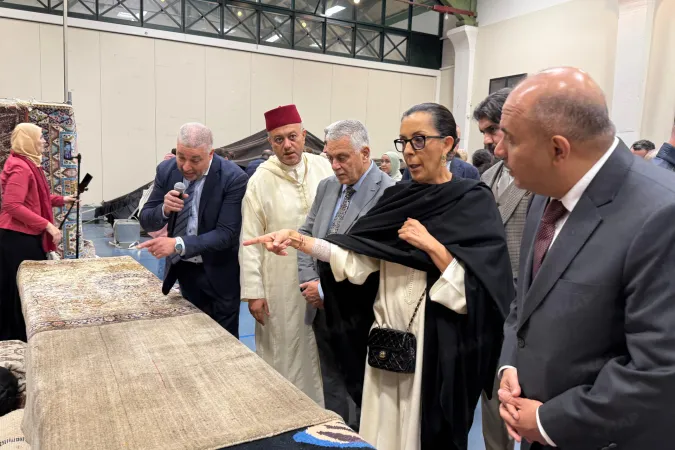
On Friday, October 12, 2026, a vibrant exhibition showcasing Moroccan handicrafts was inaugurated in the culturally diverse neighborhood of Nørrebro in Copenhagen. This event marks the second Moroccan Cultural Days, organized by the Moroccan-Danish Council in collaboration with the artisan chambers of the Fes-Meknes and Guelmim-Oued Noun regions, along with the State Secretariat responsible for traditional crafts and the social and solidarity economy. Running until October 18, the exhibition serves as an invitation to explore Morocco through its rich and varied cultural heritage, reflecting the skill and creativity of Moroccans throughout history.
This year's edition, under the patronage of the Moroccan Embassy in Denmark, particularly highlights the cultural and artisanal heritage of the Fes-Meknes and Guelmim-Oued Noun regions. The artisan chambers from these regions have brought together a select group of artisans to present a showcase that epitomizes the richness and diversity of Moroccan culture.
The various booths set up for this occasion vividly display this diversity with an abundant array of products crafted with great passion and professionalism. The exhibition features several traditional Moroccan industries, including carpets, copperware, caftans, leather goods, woodworking, and pottery, each representing the intricate artistry that characterizes Moroccan craftsmanship.
The opening ceremony was attended by Morocco's ambassador to Copenhagen, Fatiha Ayadi, as well as ambassadors from Saudi Arabia, Egypt, Iraq, and Palestine, alongside numerous distinguished guests, including Danish officials, civil society representatives, and personalities from the realms of art, culture, and politics, in addition to members of the Moroccan community residing in Denmark.
Ambassador Ayadi presented these cultural days as a unique opportunity to discover Morocco through its cultural heritage, which has been shaped over centuries by the convergence of Arab, African, Andalusian, Amazigh, Jewish, and Mediterranean influences. She emphasized that this event offers a glimpse into the various aspects of Moroccan identity and creativity through music, traditional crafts, culinary arts, and other cultural expressions.
She further noted that this edition particularly emphasizes the cultural and artisanal heritage of the Fes-Meknes region, known for its rich history and cultural legacy, as well as Guelmim-Oued Noun, which reflects the culture and richness of southern Morocco, historically a hub for trade and exchanges between the Atlantic and the Saharan regions, and the broader Moroccan cultural landscape.
According to the ambassador, these regions together provide a stunning representation of the diversity and richness of Morocco's cultural identity. She remarked that culture builds bridges that enhance dialogue, foster mutual understanding, and strengthen friendships, asserting that these Moroccan cultural days contribute, in this spirit, to bolstering the close and friendly relations between the Kingdom of Morocco and the Kingdom of Denmark.
For his part, Anwar Touimi, president of the Moroccan-Danish Council, expressed that the Moroccan cultural days, through the handicraft exhibition, will help introduce Morocco and its culture to younger generations in this Scandinavian country, both among Danes and the Moroccan diaspora. He pointed out that this year's traditional crafts exhibition coincides with the cultural day of the Danish capital and the upcoming autumn break, which begins this weekend in Denmark, anticipating significant attendance from Danes, many of whom flocked to the exhibition on its opening day.
In addition to the booths displaying a wide variety of Moroccan traditional products, attendees at the opening ceremony were treated to a fashion show featuring vibrant Moroccan caftans, showcasing the diversity and elegance of Moroccan art. The audience watched the show with admiration, accompanied by melodies drawn from the diverse repertoire of Moroccan music.
As reported by maroc.ma.