Understanding the Ripple Effects of Mediterranean Investments on Morocco
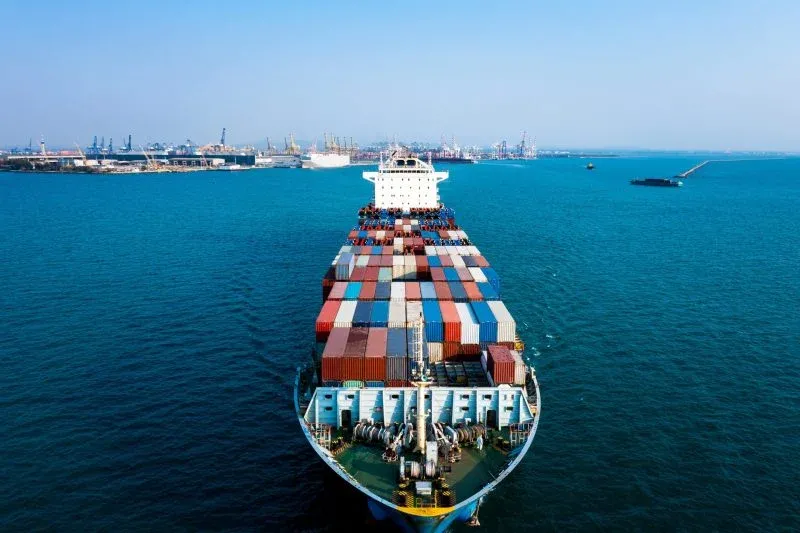
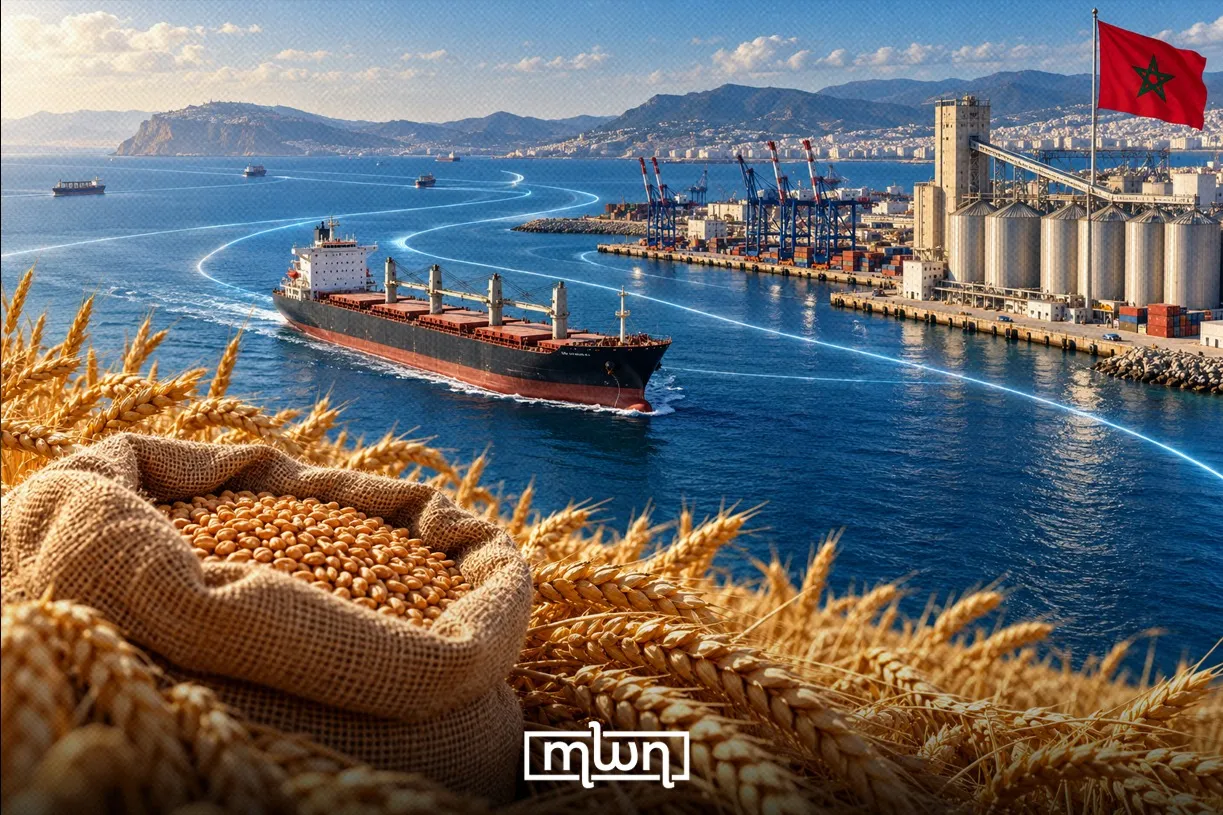
The distance between Athens and a market stall in Morocco may seem significant, yet disruptions in maritime trade can have profound effects on local markets, making decisions made thousands of miles away resonate deeply within Moroccan borders. Factors such as a shipment being held at a port, unexpected insurance charges, or a shortage of equipment for cold-storage facilities can create ripples throughout the supply chain, ultimately influencing the prices of everyday groceries that Moroccan families depend on. Recent investment agreements between the United Arab Emirates and Greece warrant attention in Morocco, despite the country not being directly involved in these arrangements.
On October 22, 2023, the UAE and Greece announced 18 memoranda of understanding, agreements, and business partnerships that total an impressive €12.75 billion. These agreements encompass critical sectors including ports, transportation, digital infrastructure, energy, and food security. Additionally, the UAE has expressed intentions to invest an additional €15 billion in Greece through an established investment initiative. It is crucial to recognize that announced investment intentions do not equate to immediate financial deployment, and the agreements should not be mistaken for completed projects. Nonetheless, the sectors involved prompt an important inquiry: what implications could a more interconnected Mediterranean supply system hold for countries like Morocco that rely heavily on the continuous flow of essential goods?
The Multifaceted Nature of Food Security in Morocco
In Morocco, achieving food security requires a multifaceted approach that goes beyond merely increasing agricultural output. It encompasses the need for reliable storage solutions, transparent shipping schedules, effective refrigeration, affordable financing options, and access to alternative supply routes. While domestic production remains a cornerstone of food security, it operates within a larger ecosystem influenced by energy prices, transportation availability, and the technology used to preserve food. A disruption at any point along this chain can significantly undermine the value created.
For instance, consider a Moroccan enterprise engaged in exporting temperature-sensitive produce. Despite meticulous oversight in harvesting and packaging, an unforeseen delay at the port may jeopardize the entire shipment. The prudent response is not to depend solely on a promised delivery date but to develop practical alternatives. This includes establishing verified contacts with freight partners, accessing dependable information about delays, understanding insurance terms well in advance of a crisis, and having agreed procedures for making swift decisions when a shipment is at risk.
While investments in smarter ports and advanced digital infrastructure can enhance these processes, technology alone does not ensure resilience. A digital booking system may facilitate coordination but might also introduce new vulnerabilities. Similarly, a connected warehouse could minimize waste but expose operations to cyber incidents if security measures are inadequate. The ability to function temporarily without critical platforms and to communicate promptly with customers about changes in plans is a vital competitive skill.
Morocco’s extensive commercial relationships across Africa, Europe, and the Gulf region can serve as significant advantages. Moroccan companies need not wait for a direct share of every investment in Greece. Instead, they can draw lessons from the broader movement towards connected logistics, focusing on enhancing supplier verification, documenting alternative transportation arrangements, and training personnel who are well-versed in both the physical aspects of cargo and the software managing its journey. Various stakeholders, including ports, logistics firms, insurers, and agricultural cooperatives, can contribute to this initiative.
The challenge lies in translating investment announcements into tangible benefits for ordinary households. The true measure of success should not be solely based on the financial figures reported at international forums, as families experience these agreements through the cost, quality, and availability of goods. A commercially viable route that falters during challenging circumstances does not constitute a fully effective solution, nor does a project that establishes advanced infrastructure without adequately preparing local operators for its maintenance yield lasting value.
As Morocco assesses the relevance of the UAE-Greece agreements, practical questions must be at the forefront. Will regional logistics networks become more reliable? Will small exporters gain consistent access to essential services? Can food operators identify potential disruptions earlier? Will those responsible for delivering vital supplies have clear authority to act? These inquiries should shape Morocco’s strategy for Mediterranean economic cooperation. The goal should not merely be to pursue connectivity for its own sake, but to ensure that new infrastructure and commercial partnerships yield real benefits for producers, businesses, and consumers alike.
The most effective Mediterranean partnerships are not necessarily those that command the largest headlines; rather, they are the ones that protect producers, traders, and families from the vulnerabilities that arise when regular supply routes face interruptions.
As reported by moroccoworldnews.com.