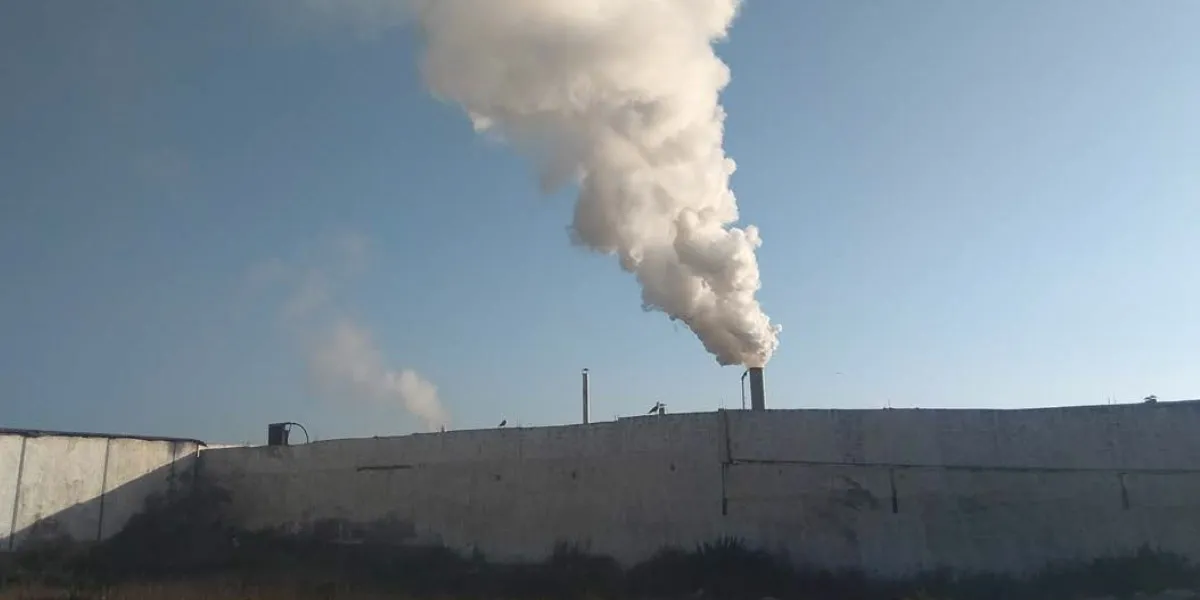
The issue of unpleasant odors in Anza, a locality situated in the northern part of Agadir, Morocco, has resurfaced as a pressing concern. In response to the persistent complaints from residents regarding the noxious smells generated by local industrial units, particularly fish processing plants and canneries, regional authorities have decided to expedite the relocation of these facilities. A recent meeting held at the Souss-Massa region's headquarters, chaired by Saaïd Amzazi, the wali of the region, concluded with the announcement of three significant measures aimed at addressing this long-standing problem. Among these measures is a one-year deadline to facilitate the transfer of industrial activities away from Anza, raising questions about whether these new decisions will finally bring an end to the odorous disturbances that have plagued the community for years.
The unpleasant odors that permeate Anza have not only affected its residents but have also reached neighboring areas such as Aourir and Taddart-Anza, as well as the tourist and beach zones and the city center of Agadir. The proposed relocation of industrial units to designated industrial areas in Drarga aims to mitigate these issues. Notably, this new industrial zone includes Haliopolis Park, Agropôle, and other significant development projects. However, the lack of a formal agreement outlining the specifics of the relocation process has raised concerns, as the commitment to vacate Anza has not been legally binding. This ambiguity has allowed industrial operations to persist in the area, compounding the challenges faced by local residents.
Furthermore, the social implications of this relocation are substantial, given that the industrial presence in Anza has deep historical roots, and the livelihoods of many residents depend on these businesses. Thus, the future of employment and economic stability in Anza remains a critical consideration as authorities navigate this transitional phase. In addition to the relocation, a specialized commission will be dispatched to assess the current industrial installations, identify existing malfunctions, and recommend necessary improvements to reduce both pollution emissions and unpleasant odors. Previous monitoring systems, including advanced technology designed to detect odor levels, have failed to provide lasting solutions, as the electronic monitoring network has been non-functional since late 2014 due to a lack of maintenance.
The third measure involves ensuring compliance with environmental regulations, particularly concerning wastewater treatment, management of industrial waste, and the control of odors and gaseous emissions. The management of effluents remains a critical concern, as the Anza wastewater treatment facility, operational since 2016, struggles to cope with the demands placed on it by existing industries. Authorities have indicated that stringent penalties will be enforced against non-compliant industries, which could include revoking operational licenses or shutting down offending facilities.
Despite these recent initiatives, the issue of industrial pollution in Anza is not new. A previous decontamination program, backed by five institutional partners and funded with 95 million dirhams, aimed to address industrial pollution on the Anza coastline and facilitate the relocation of units. Unfortunately, this program never came to fruition, largely due to the health emergency state declared under Decree No. 2.20.292 and subsequent directives from the Interior Ministry that halted non-essential expenditures. Consequently, the situation has remained largely unchanged, with some operators acquiring plots in designated industrial zones without necessarily committing to moving their existing operations. Others continue to operate in Anza, complicating the overall transition.
In conclusion, the formalization of the industrial units' transfer has yet to materialize in a distinct agreement separate from the original convention that aimed to outline the decontamination program. The new decisions by regional authorities reignite a long-standing issue, and the real challenge now lies in their effective implementation. Previous attempts have failed to eliminate the nuisances faced by Anza's residents, and stakeholders are keenly aware that successful execution is paramount for the community's relief and future well-being.
As reported by leseco.ma.