Morocco Completes Cattle Import Quota for 2026 Without Lowering Meat Prices
In a recent announcement, the Moroccan Ministry of Agriculture, Fisheries, and Food Sovereignty has confirmed the completion of the annual quota for importing 300,000 heads of cattle designated for slaughter in 2026. This quota has been exempt from customs duties and value-added tax (VAT), yet the ministry has not disclosed the total cost of these imports or the extent of the tax and customs exemptions provided to importers. Even with these measures, beef prices in Moroccan markets remain high, fluctuating between 140 and 160 dirhams per kilogram.
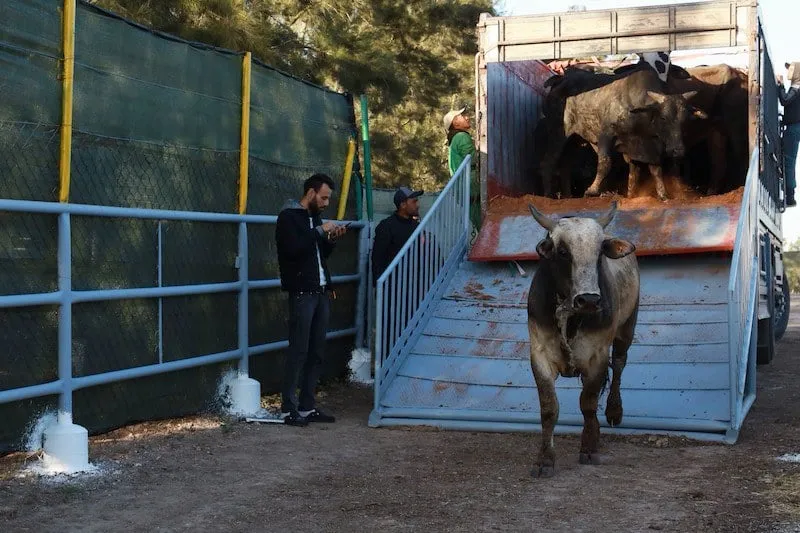
The ministry noted that 37 companies participated in the importation process, with over 90% of the cattle sourced from Brazil. This preference for Brazilian cattle is attributed to the abundant supply available in Brazilian markets compared to European nations. The decision to conclude the import quota was made once the total number of cattle imported, alongside those under existing customs exemptions still in transit, reached the set ceiling for the year. The ministry communicated this conclusion to suppliers and stakeholders via a notice published on October 15.
Official data indicate that the average monthly import rate was approximately 24,000 heads, although there were notable variations between months. For instance, over 44,000 heads were imported during June and July, while only around 17,000 were brought in during August and September. Furthermore, an increase in import requests was recorded in October following the reopening of the Portuguese market to Moroccan suppliers, benefiting from geographical proximity.
The government had earlier implemented exemptions for the importation of 300,000 heads of cattle from customs duties and VAT until December 31, 2026, under decree No. 2.25.720 issued on August 29, 2025, and Article 2 of Finance Law No. 50.25. This initiative aims to counteract the rising prices of red meat in domestic markets.
The ministry attributed the increase in meat prices in recent years to a decline in the number of livestock available for slaughter, which has been exacerbated by consecutive years of drought and the rising costs of feed, both locally produced and imported. As a result, many farmers have resorted to slaughtering female cattle, further diminishing national supply.
While the ministry's statement suggests that these import measures have bolstered the availability of red meat in national markets and contributed to price stabilization, it is important to note that the assertion of stable prices does not equate to lower prices for consumers. The current prices for red meats, particularly beef, remain elevated, and the anticipated benefits of these substantial imports, along with the associated tax exemptions, have not translated into noticeable price reductions for consumers.
Moreover, the announcement did not provide details regarding the overall financial value of the imported cattle, the average cost per head, or the total amounts waived by the state due to the exemptions from customs duties and VAT. Additionally, there was no information on how consumer prices have evolved since the commencement of these import operations in February.
The lack of transparency regarding these financial aspects raises questions about the economic implications of the import process and whether consumers are genuinely benefiting from the advantages granted to importers, especially in light of the ongoing high prices of meat despite government efforts to increase supply.
It is noteworthy that the 300,000 head ceiling includes both cattle that have already entered Morocco and those for which importers have received active customs exemptions. This implies that the figure does not necessarily represent the number of cattle available in national markets as of the announcement.
As reported by lakome2.com.