Transforming Morocco's Infrastructure for the 2030 World Cup
As Morocco gears up for the 2030 FIFA World Cup, a monumental investment plan is taking shape, with an astonishing 96 billion dirhams (approximately 10.3 billion USD) allocated specifically for railway infrastructure development. This ambitious initiative comes as part of Morocco's broader strategy to overhaul its transportation, energy, and industrial frameworks in preparation for this prestigious global event. On September 17, 2026, agreements were signed in Rabat between the Moroccan finance ministry and the African Development Bank, totaling 405 million euros (around 437.4 million USD). This funding is divided into two main components: 205 million euros (approximately 221.4 million USD) aimed at enhancing railway infrastructure, particularly to increase capacity and operational efficiency on the vital Kenitra-Marrakech corridor, and 200 million euros (about 216 million USD) directed towards a skills development program known as "Cap Compétences 2030." This program focuses on improving vocational training quality and expanding access to it while also promoting the digitization of services.
From High-Speed Rail to Comprehensive Connectivity
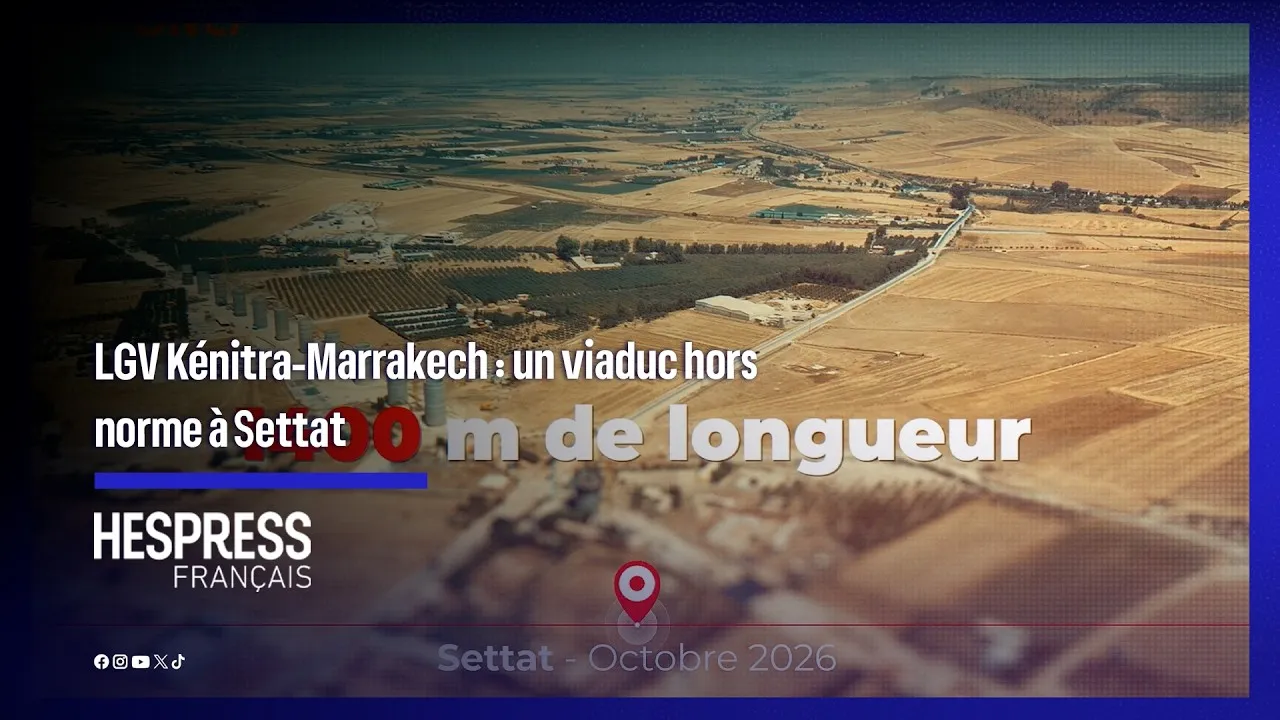
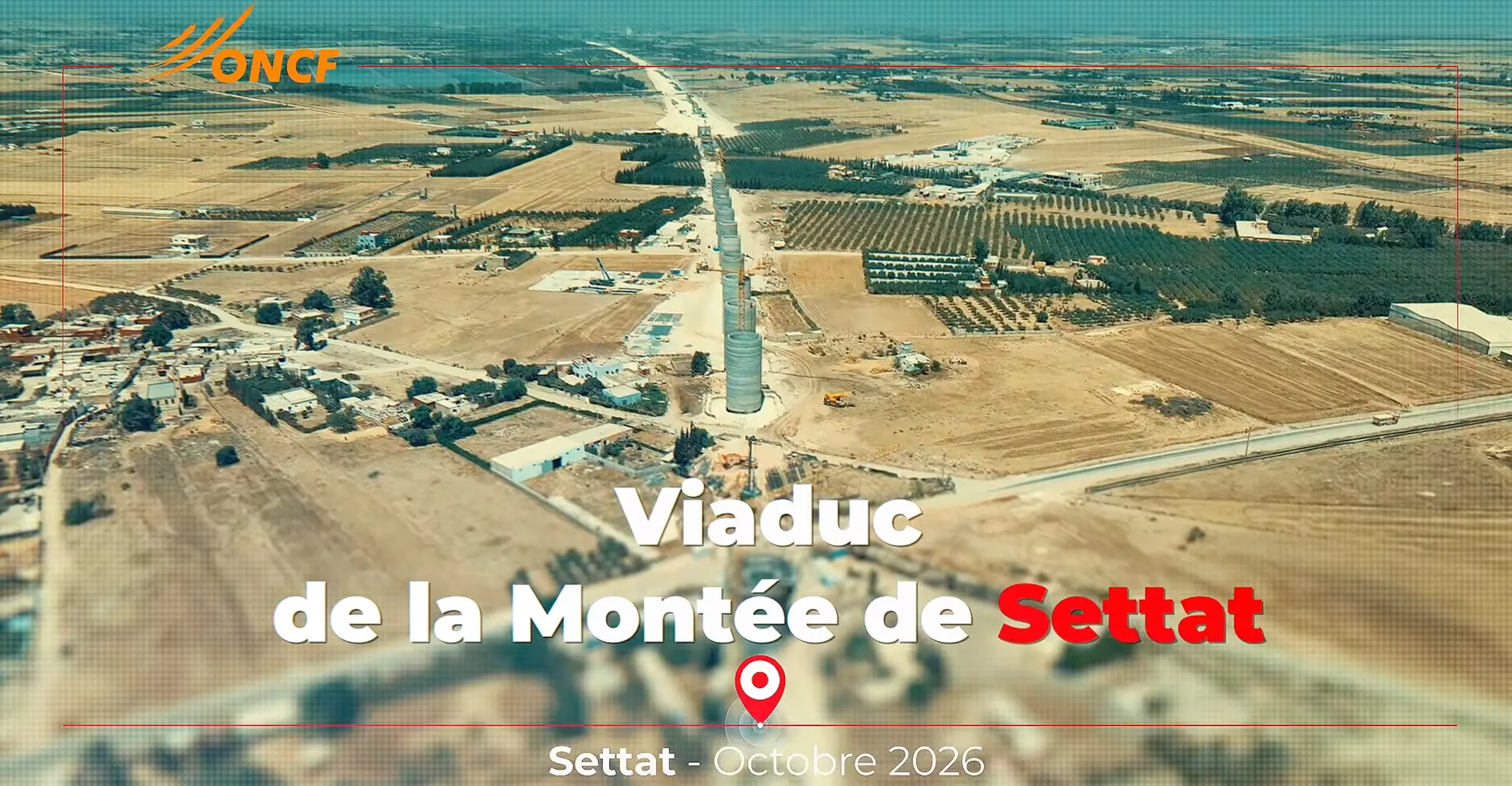
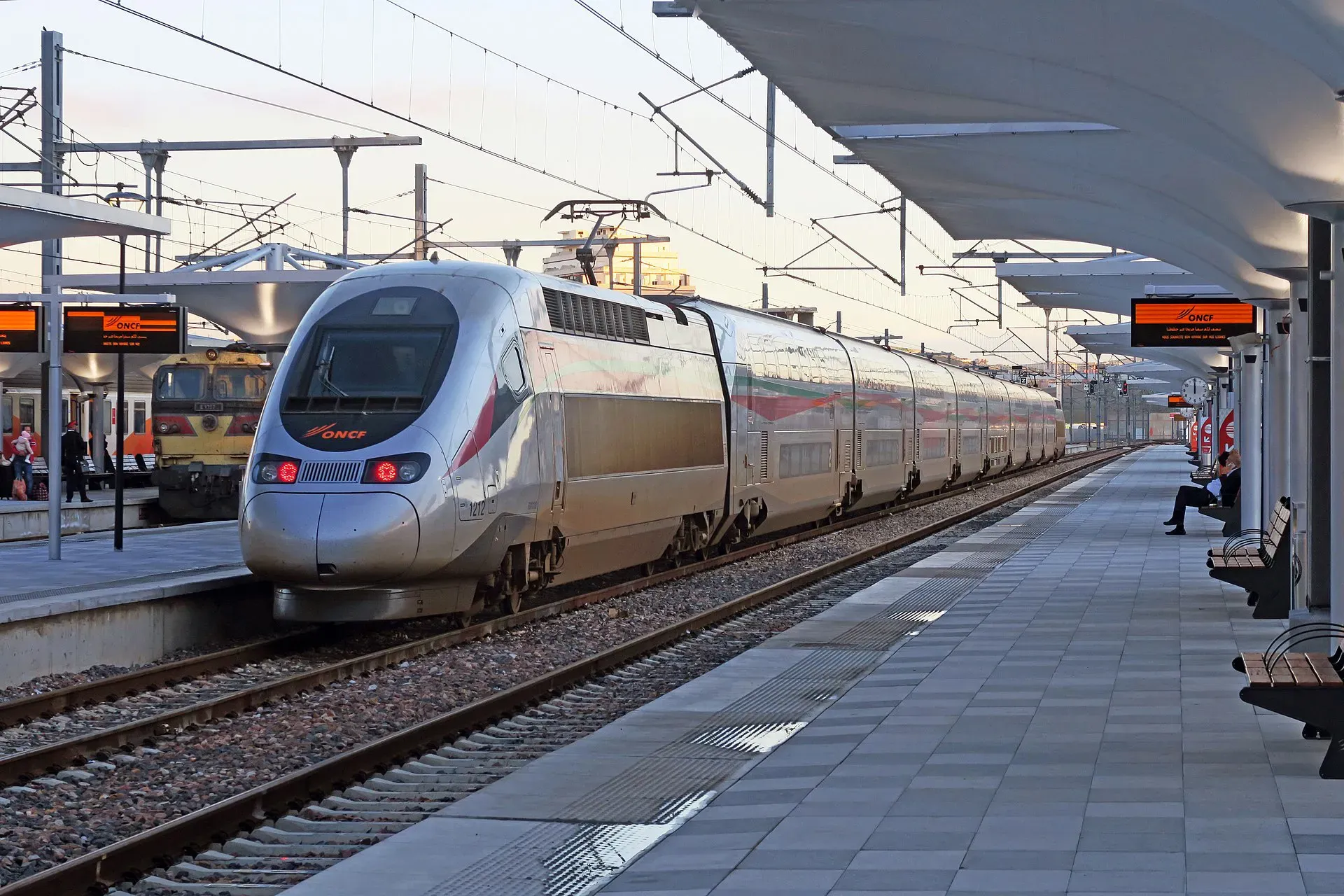
The narrative of Morocco's railway revolution began seven years ago with the inauguration of the "Al-Boraq" line in 2018, marking the first high-speed rail service in Africa, linking the northern port city of Tangier to Kenitra and significantly reducing travel time between Tangier and Casablanca from five hours to just two hours and ten minutes. The high-speed rail system has since become a national symbol of Morocco’s aspirations for modernization and connectivity. In April 2025, work officially commenced on the second phase of the high-speed line from Rabat-Aggdal station, which will stretch 430 kilometers southward from Kenitra to connect the capital, Casablanca, and the pivotal southern city of Marrakech, achieving design speeds of 350 kilometers per hour. Completion of this line is targeted before the World Cup in 2030, with travel time between Casablanca and Marrakech expected to be reduced to approximately one hour and fifteen minutes. Additionally, this route will serve two airports and provide a swift corridor from Tangier to Marrakech, integrating into a larger planned high-speed rail network stretching 1,500 kilometers as part of Morocco's Vision 2035.
The construction of this railway isn't merely about transportation; it represents a vital artery connecting the northern and southern regions of Morocco, crucial for facilitating passenger flows during the World Cup. Chinese companies have emerged as key players in this construction phase, winning significant contracts for civil works. For instance, the Shandong Hi-Speed Group secured the second segment of civil works for the Kenitra-Marrakech section, comprising 63.07 kilometers, valued at 4.05 billion dirhams (around 435 million USD). Furthermore, the China Railway 20th Bureau is undertaking the fifth segment, which includes 35.4 kilometers of infrastructure and bridges, while Sinohydro’s Bureau 5 is executing the construction of a 2,814-meter tunnel through the heart of Rabat, demonstrating the scale and ambition of Morocco's railway expansion.
Morocco's commitment to European technical standards is evident in the selection of Chinese teams to ensure timely delivery, with the project not only aiming to cater to World Cup passenger demands but also positioning itself as a "Chinese solution" for international event transportation.
In addition to railway advancements, Morocco's preparations for the 2030 World Cup signify a national infrastructure rejuvenation. Contrary to the belief that the focus is solely on stadiums, the investment of 50 to 60 billion dirhams (about 5.4 to 6.5 billion USD) in football facilities underscores the extensive scope of the project. The Hassan II Grand Stadium, located approximately 38 kilometers northeast of Casablanca in Benslimane, is set to become one of the largest stadiums globally, with a seating capacity of 115,000 and a cost of around 5 billion dirhams (about 500 million USD). Designed collaboratively by the British firm Populous and the Moroccan firm Oualalou + Choi, the stadium draws inspiration from traditional Moroccan seasonal tents and is slated for completion by 2028, two years before the World Cup, to host the final match.
In parallel, Morocco is expanding its highway network by 40% and plans significant investments in airport and railway upgrades, amounting to approximately 14 billion USD. The annual airport capacity is projected to double from 40 million to 80 million passengers by the end of the decade, with the national highways and safety systems receiving dedicated funding to ensure seamless access to the Hassan II Grand Stadium.
Moreover, the tourism sector is also on a growth trajectory, aiming to attract 26 million visitors by 2030, necessitating the addition of 100,000 to 150,000 hotel beds to accommodate this influx. The total estimated cost for World Cup-related projects is projected to reach around 20 billion USD, reflecting nearly 12% of Morocco's GDP. This ambitious endeavor aligns with Morocco's broader economic goals and illustrates the significant economic impact of hosting the World Cup.
In conclusion, while the substantial financial commitments for these vast infrastructure projects place a strain on public finances, international rating agencies have deemed Morocco's outlook "stable but under pressure." Fitch Ratings affirmed Morocco's long-term sovereign credit rating at "BB+" with a stable outlook, citing sound macroeconomic policies and sufficient foreign liquidity reserves. However, they indicated notable risks, projecting a central government budget deficit increase to 4% of GDP in 2026 due to rising energy costs and increased transfers to transport operators and utility companies. Despite these challenges, Morocco's rapid progress in completing what typically would require a decade worth of infrastructure development within just two years is indicative of the nation's determination and capability as it prepares to welcome the world in 2030.
As reported by aljazeera.net.