Overview of Morocco's 2027 Finance Bill
The Moroccan government has unveiled its draft Finance Bill for 2027, introducing a comprehensive array of measures designed to enhance the purchasing power of citizens. A key highlight of this proposal is the plan to exempt a significant 87% of employees earning monthly salaries below 10,000 dirhams from income tax. This initiative represents a major step towards alleviating the financial burden on lower-income workers, allowing them to retain more of their earnings and improve their standard of living.
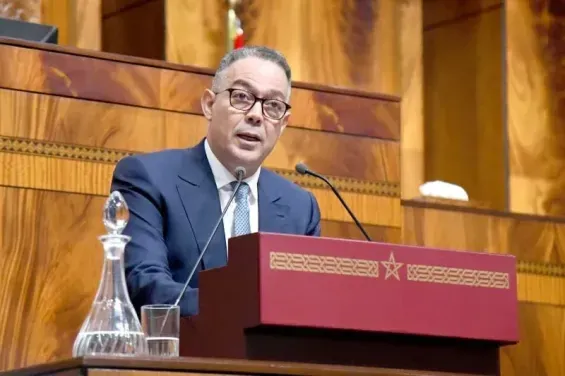
This draft budget marks the inaugural presentation from Head of Government Fatima Ezzahra El Mansouri, who leads a coalition focused on bolstering purchasing power, expanding social protections, and upholding fiscal discipline. During a joint session of both chambers of the Moroccan Parliament, Finance and Public Performance Minister Fouzi Lekjaa elaborated on the primary measures outlined in the budget.
Key Features and Financial Projections
The 2027 Finance Bill sets an ambitious target for a budget deficit of 3% of GDP, while forecasting ordinary revenues to reach 482.42 billion dirhams, with tax receipts contributing 437.4 billion dirhams to this figure. It is anticipated that those benefiting from the income tax exemptions or reductions could see an increase of approximately 500 dirhams in their monthly income.
The initial phase of this initiative is projected to cost the Moroccan treasury around 5.5 billion dirhams. Furthermore, by the year 2031, the top marginal tax rate is expected to decrease from 37% to 30%, simplifying the tax structure into three brackets: 10%, 20%, and 30%. In a significant boost for retirees, the minimum pension will rise to 1,700 dirhams monthly, positively impacting around 500,000 pensioners, including over 150,000 widows. The government also plans to elevate this minimum pension to 3,000 dirhams by the end of its legislative term.
In an effort to enhance the financial support for widows, their entitlement to pensions from their deceased spouses is set to increase from 50% to 100%, benefiting approximately 431,000 individuals. Additionally, direct social assistance will see its monthly minimum raised from 500 to 600 dirhams. The state will also cover electricity bills of 100 dirhams or less for about six million households, which accounts for nearly 60% of all customers.
The health budget is slated to grow to 45.4 billion dirhams, marking an increase of 3 billion dirhams, and will create 8,000 new job positions. Education, including higher education and vocational training, is allocated 121.3 billion dirhams—an increase of 5.3 billion dirhams—with 17,874 additional positions created. Overall, the draft is set to establish a total of 34,454 new public sector job positions. Minister Lekjaa highlighted that the broader social package associated with this budget amounts to approximately 62 billion dirhams.
Furthermore, the ceiling for advance commitments related to military equipment and defense industry development is raised by 21%, now totaling 190.5 billion dirhams. Public investment payment credits are established at 138.03 billion dirhams, while the state’s gross financing need is estimated to approach 159 billion dirhams. The draft Finance Bill is now positioned for parliamentary review, with officials emphasizing the balance it strikes between immediate household support and the medium-term objectives of fiscal sustainability, youth employment, and strategic investments.
As reported by northafricapost.com.