The tragic case of Hajar, a 29-year-old Moroccan woman found murdered in a suitcase in the Amstel River, has sent shockwaves through Amsterdam and the wider Dutch community. Hajar's disappearance on October 4, following her last sighting cycling with a man near the RAI exhibition center, culminated in a heart-wrenching discovery on October 16, when her body was located by a passerby. This gruesome revelation has ignited a wave of grief and anger, particularly among women's organizations, who are questioning the insufficient public response to this horrific act.
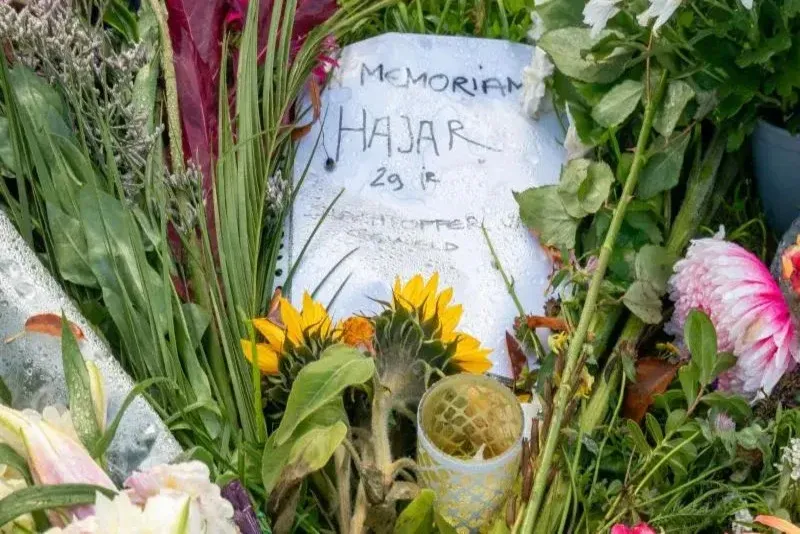
In the days following the discovery of Hajar's body, flowers and heartfelt messages began to adorn the Amsteldijk waterfront, serving as a poignant reminder of the life that was tragically cut short. Local residents expressed their disbelief and sorrow, with one stating, "I am in shock. I think it is terrible that such a young woman’s life was taken." The circumstances surrounding Hajar's death have resonated deeply with Moroccan-Dutch advocates, who are now raising crucial questions about the visibility and attention afforded to victims of violence from minority backgrounds.
Community Response and Memorial Plans
In response to Hajar's untimely demise, Amsterdam-based women’s organizations such as Rode Hakken and Saaam initially planned a memorial walk to honor her memory. This march was intended to take place from De Pijp to the RAI exhibition center, the last known location of Hajar. However, activist and columnist Yesim Candan expressed her frustration over the perceived lack of outrage surrounding Hajar's death, suggesting that her Moroccan heritage may have played a role in the muted public reaction. Candan's comparison of the response to Hajar's murder with what might have happened if a woman with a traditionally Dutch name had been killed highlights the ongoing issues of racial and ethnic bias in societal reactions to violence.
Referring to Hajar as “our daughter, our sister,” Candan and other organizers sought to foster a sense of solidarity and community around this tragic event. Nevertheless, the planned memorial was ultimately canceled at the request of Hajar’s family, who wished for privacy and time to process their grief. The organizers respected these wishes, urging the public to allow the family the space they need during this difficult time.
Investigation and Arrest of a Suspect
As the investigation unfolded, Dutch police apprehended a 23-year-old man on October 20, identified as the last person seen with Hajar prior to her disappearance. This suspect, a Somali national who has lived in the Netherlands since childhood, was initially questioned as a witness, but subsequent inquiries led to his arrest. Dutch prosecutors confirmed that he would remain in custody as investigations continued into his suspected involvement in Hajar's tragic death.
In a statement through the organization Namens de Familie, Hajar’s family expressed their profound sorrow following the uncertainty surrounding her disappearance. While they felt some relief at the arrest of a suspect, they emphasized the need for privacy as they mourn and say their goodbyes. Hajar's death has reignited critical discussions about the pervasive issue of violence against women and the representation of victims of Moroccan origin within Dutch society. As the community grapples with this tragedy, it is clear that Hajar's life and untimely passing will not be forgotten.
As reported by en.hespress.com.