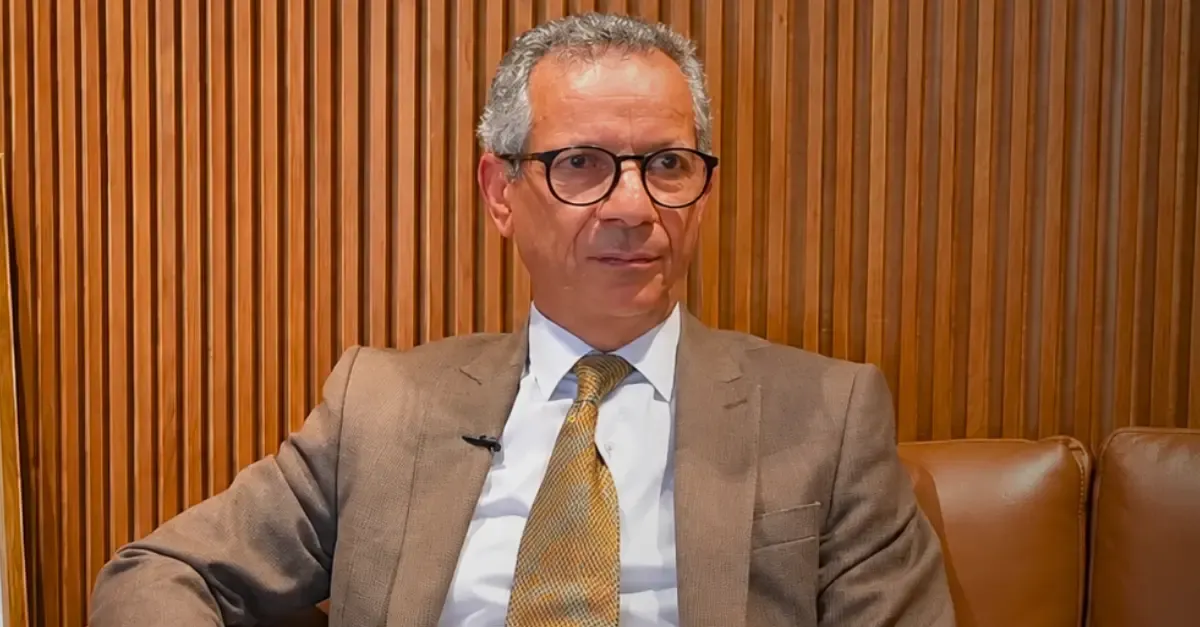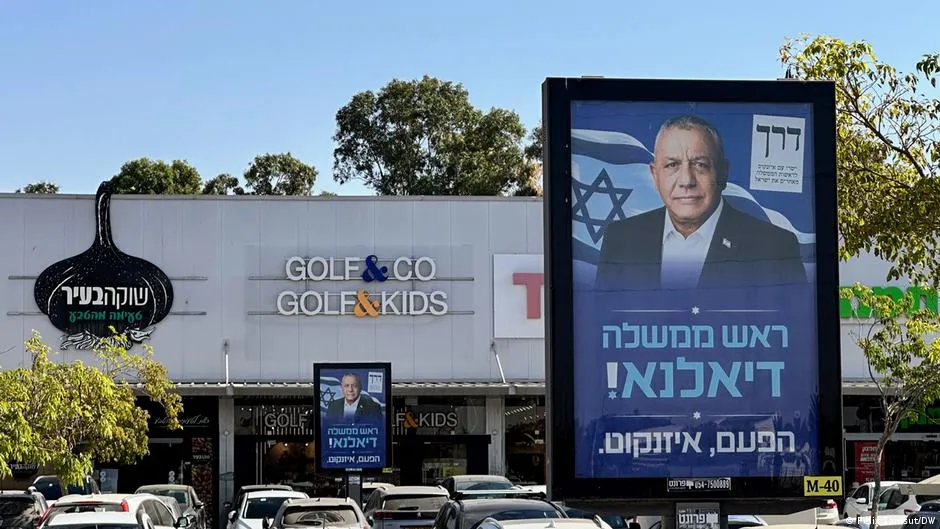
As the elections in Israel approach, specifically the pivotal events taking place on Tuesday, the city of Sderot, located in the Negev desert approximately 75 kilometers south of Tel Aviv and just a stone's throw from the Gaza border, is buzzing with political advertisements. Prominent among the campaign posters are those for the right-wing Likud and the far-right Otzma Yehudit parties. However, one poster stands out with its unique message; it belongs to the liberal Yashar party, led by Gadi Eisenkot. The slogan, "Rosh Memshala Dialna," intriguingly combines the Hebrew word for "prime minister" with the Moroccan Arabic phrase meaning "of our own." This distinctive blend is a strategic nod to Eisenkot's Moroccan heritage, which plays a significant role in his campaign strategy in Sderot and similar locales across Israel's sociopolitical landscape.
Eisenkot's Connection to Mizrahi Identity
Sderot has historically been a stronghold for the Israeli right, particularly for Prime Minister Benjamin Netanyahu's Likud party, which garnered over 40% of the city's votes in the last election cycle, compared to a national average of 23%. The demographic makeup of Sderot includes a significant population of Moroccan Jews, contributing to its reputation as a symbol of Moroccan-Jewish culture in Israel, which is reflected through various mediums such as music, film, and political engagement. The political landscape in Israel has long been marked by divisions between Ashkenazim, or Jews of European descent, and Mizrahim, those whose roots lie in the Middle East and North Africa. Approximately half of Israel's Jewish population identifies as Mizrahi, a group that has faced historical discrimination and marginalization since the foundation of the state.
In the current electoral climate, these issues have gained renewed attention, particularly as Eisenkot's campaign highlights his Moroccan origins. Growing up in Eilat, a city known for its North African Jewish community, Eisenkot has positioned himself as a champion for Mizrahi interests. His party's campaign has openly criticized Likud for neglecting Mizrahi politicians, mocking their absence with the slogan, "Netanyahu: Let the Mizrahim give interviews." This reflects a broader frustration among Mizrahi voters, who have historically been underrepresented in the political arena. The recent comments made by right-wing journalist Yinon Magal, who insinuated that Eisenkot was dominated by elitist Ashkenazi interests, further underscored the ongoing tensions within Israeli society regarding ethnic identity and representation.
Prominent figures such as Moroccan-born Daniel Ben-Simon, a renowned journalist and former member of the Israeli parliament, assert that Eisenkot's embrace of his roots is a significant cultural moment. By incorporating the term "Dialna" into his campaign, Eisenkot is not merely appealing to his background; he is fostering a new identity that merges Israeli and Moroccan elements. This is a progressive step towards acknowledging the Arab identities of North African Jews, which have often been marginalized within Israeli society.
The Impact of Historical Inequalities
Historically, the Israeli state has been characterized by policies that favored European Jewish immigrants while sidelining Mizrahi communities. Such policies have manifested in various forms, including socioeconomic disparities and cultural erasure, where Mizrahim were pressured to assimilate and abandon their rich heritage. In the early days of the state, many Mizrahi Jews were relegated to temporary transit camps known as Ma'abarot, which lacked adequate infrastructure and resources, leading to long-standing poverty in places like Sderot. The Likud party, emerging in response to these grievances, has utilized this discontent to build a loyal base among Mizrahi voters since the 1970s, although it has yet to see a Mizrahi leader rise to the helm.
In recent years, Sderot has faced additional challenges, including frequent rocket attacks from Gaza, which have intensified since the tragic events of October 7, 2023, when the city suffered considerable losses. Despite these adversities, Sderot's population has grown, attracting young families drawn by both ideological motivations and government incentives. As Sderot continues to evolve, the influence of the national-religious community, which aligns closely with Netanyahu's coalition, is becoming more pronounced. However, the enduring perception of Sderot as a center of Moroccan Jewish identity is likely to persist, regardless of the election outcome.
Ben-Simon posits that Eisenkot's potential victory could herald a transformative chapter for Moroccan Jews, reinforcing their connection to their cultural roots and reshaping their identity within the Israeli context. The upcoming elections represent not just a political contest but a pivotal moment for the recognition and celebration of Morocco's rich heritage within Israeli society.
As reported by dw.com.