Strengthening Security Ties Between Morocco and Libya
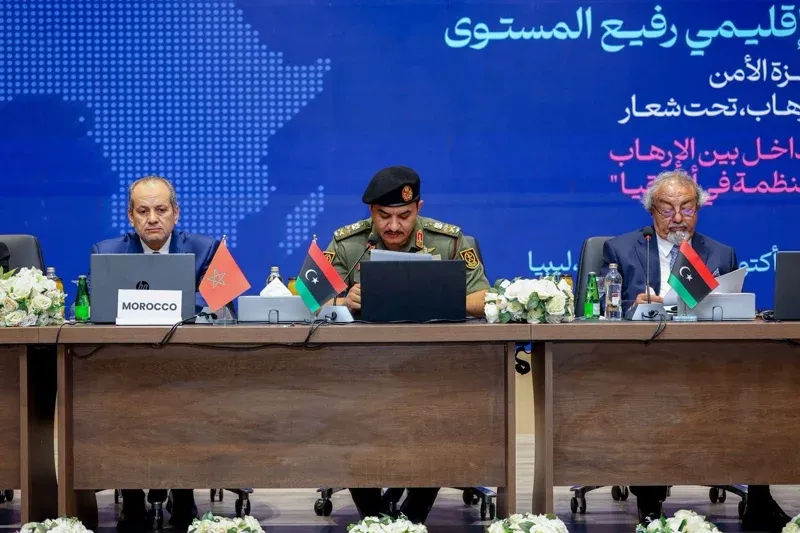
In a significant step forward for regional security, a high-level regional meeting of heads of security and anti-terrorism agencies was held in Benghazi, Libya, fostering collaboration between the Libyan intelligence service and Morocco's General Directorate for Studies and Documentation (DGED). The event saw attendance from prominent figures, including Yassine Mansouri, the director of DGED, and Libyan intelligence chief, General Hussein Al-Ayeb, alongside General Saad Hifter, Deputy Commander of the Libyan National Army. This meeting was convened under the theme "Combating the Interplay Between Terrorism and Organized Crime in Africa," and was supported by the United Nations through the Marrakech regional platform. Over 40 security delegations from various countries participated to discuss mechanisms for enhancing security and intelligence coordination, as well as developing joint efforts to confront transnational threats.
Key Discussions and Future Directions
During his address, General Saad Hifter emphasized the importance of bolstering Libya's intelligence capabilities and enhancing international partnerships. He highlighted that effective intelligence coordination and information exchange are paramount in addressing the entanglement of terrorism and organized crime. Hifter praised the fruitful collaboration between Libyan and Moroccan intelligence agencies in organizing the meeting, underscoring the growing challenges posed by the nexus of terrorism and organized crime, which necessitates a comprehensive security vision based on intelligence coordination and proactive threat management.
The meeting in Benghazi not only symbolizes a shift from a battleground against threats to a convergence point for international efforts to combat them, but it also reflects Libya's pivotal role in the regional security system. Hifter reaffirmed the Libyan Armed Forces' commitment to safeguarding national security and actively contributing to the stability of the African environment, rooted in the belief that the security of nations is a shared responsibility. Political analyst Idriss Ahmed emphasized that hosting such significant international conferences, including the high-level regional meeting, demonstrates the crucial role of the Libyan Armed Forces in establishing security and stability across the city and broader regions of Libya.
Furthermore, Ahmed pointed out that the collaboration between Moroccan and Libyan security agencies holds strategic and security significance, allowing both nations to benefit from Morocco's extensive experience in combating crime, particularly terrorism. He noted that fostering comprehensive coordination and exchanging field experiences between the two sides represents a strategic gain and a fundamental pillar for strengthening regional security systems. As new transnational security challenges arise, the need for joint operational mechanisms and advanced security partnerships becomes increasingly critical, aiming to curb the sources of organized crime and terrorism while supporting efforts to solidify stability and peace. The Moroccan experience in countering and disrupting terrorist plots serves as a remarkable model on both continental and global levels, affirming the importance of cooperation with the Kingdom of Morocco in this domain.
As reported by hespress.com.