Navigating Morocco's Political Transformation: The Race for the House of Representatives
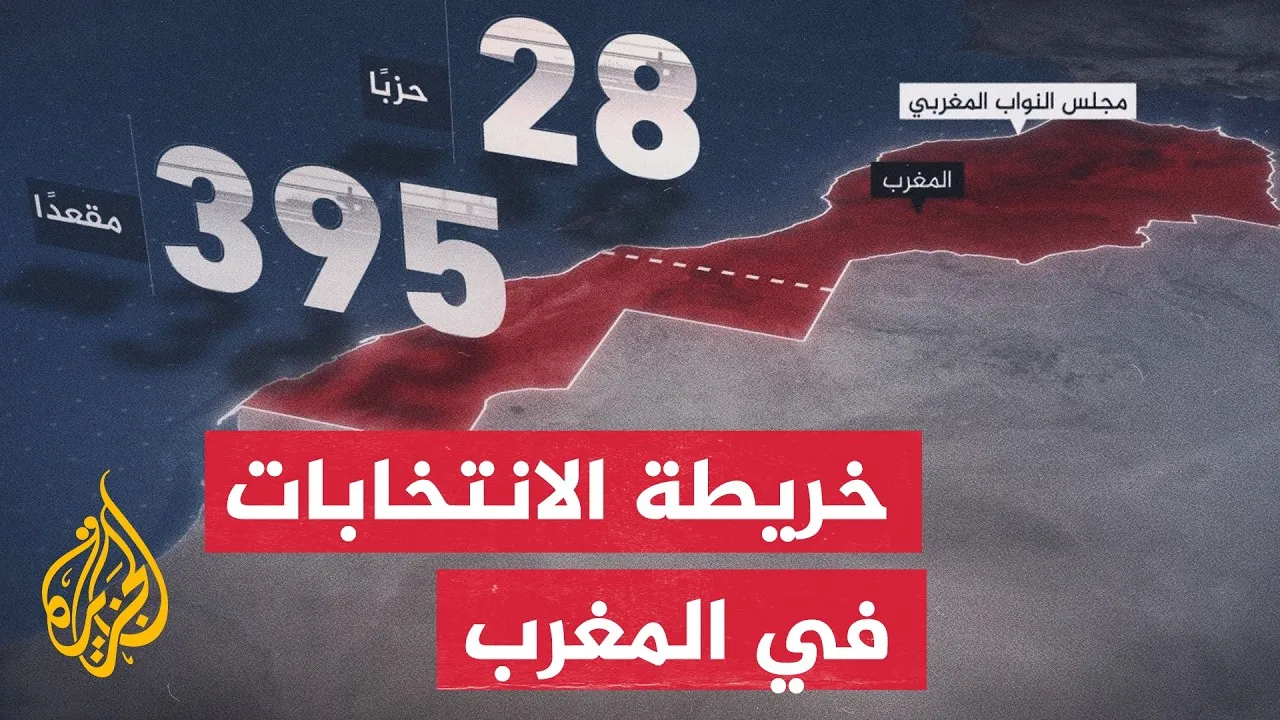
The political landscape in Morocco is undergoing significant changes as the nation gears up for its upcoming parliamentary elections. A total of 28 political parties are set to compete for 395 seats in the House of Representatives, creating an environment ripe for reshaping the country's political dynamics. Over the past four electoral cycles, Morocco has witnessed notable shifts in power, starting with the Istiqlal Party's dominance in the 2007 elections. This was followed by the impressive ascent of the Justice and Development Party, which secured a substantial 125 seats in the 2011 and 2016 elections. However, the 2021 elections brought about a remarkable upheaval, with the National Rally of Independents emerging as the frontrunner, forming a coalition government alongside the Authenticity and Modernity Party and Istiqlal. This coalition was indicative of a sharp decline for the Justice and Development Party, which plummeted to just 13 seats.
The current electoral framework operates under a proportional representation system based on party lists, which inherently fosters the formation of government coalitions. This system opens the door for competition among over 7,200 candidates vying to represent approximately 16 million eligible voters. As the political scene evolves, the implications of these elections could be far-reaching, potentially redefining the power structures within Morocco. Candidates and parties are now more than ever focused on presenting compelling platforms to attract the youth and engage the electorate, signaling a critical moment in the nation's democratic journey.
As reported by youtube.com.