Exploring the Future of Pharmacy Capital in Morocco
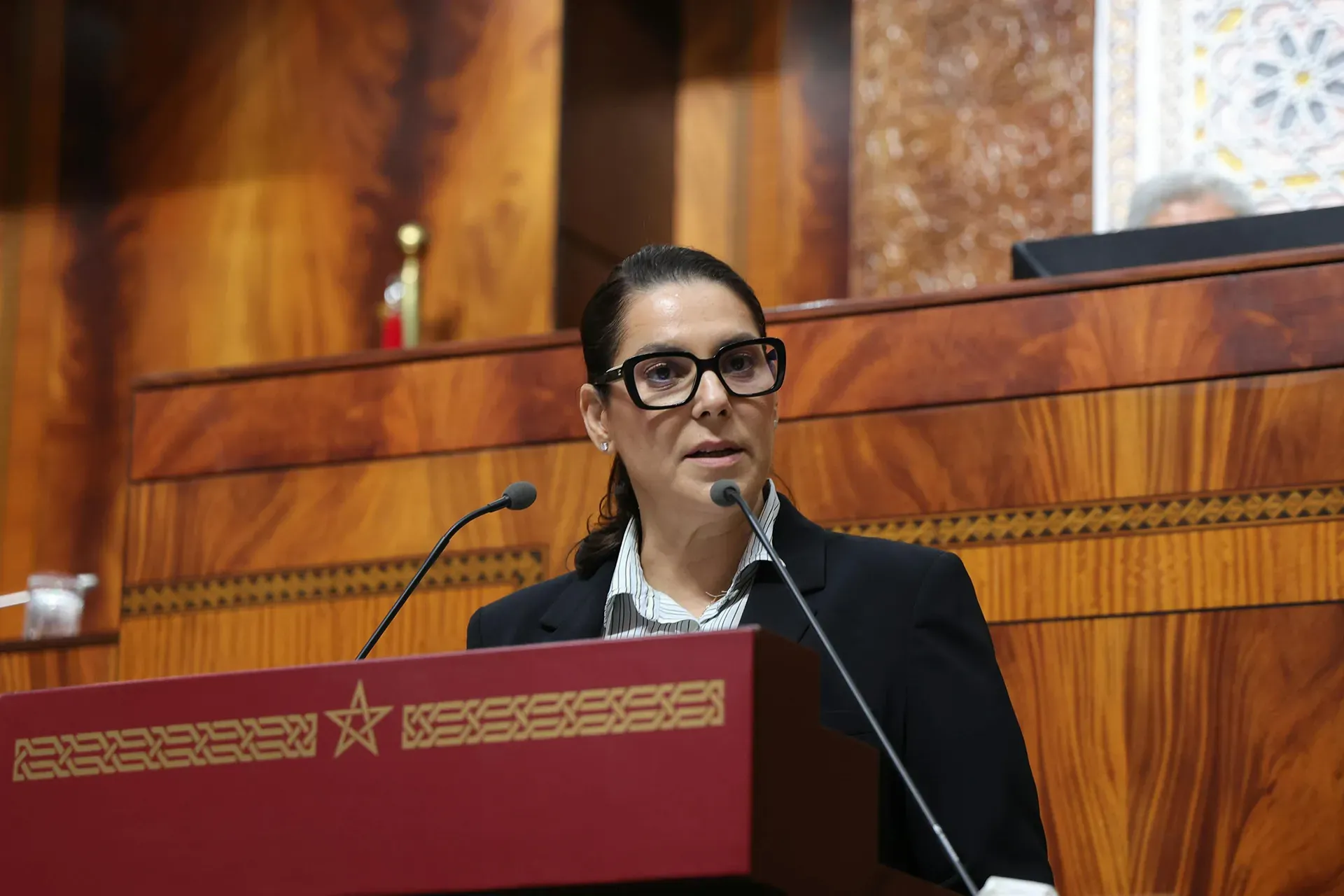
The recent conference held in Marrakech on October 13-14, 2026, showcased a critical dialogue regarding the future of pharmacy capital in Morocco. Ahmed Rahhou, the former president of the Council, and Hamza Guedira, the current president of the National Council of the Order of Pharmacists, presented two divergent perspectives on the involvement of new investors in pharmacy capital. Rahhou emphasized the necessity of reflection on the subject, drawing attention to the challenges faced by pharmacies, particularly concerning ownership after the death of a pharmacist. In contrast, Guedira firmly stated that safeguarding pharmacy capital is a fundamental and non-negotiable principle, highlighting that the ownership must remain with pharmacists who are accountable to their patients and the regulatory authorities.
During the panel dedicated to pharmaceutical distribution, Guedira articulated a vision that extends beyond mere capital investment. He underscored the shared interests of patients, the healthcare funding system, and pharmacies, advocating for three specific reforms. These include decoupling pharmacists' income from medication prices, introducing the right of substitution, and assigning remunerated missions to pharmacies. The economic argument presented is not merely a corporate concern; it reflects the underlying necessity for sustainable healthcare financing in Morocco. As noted, medications constitute over one-third of reimbursements from healthcare funds, making pharmacy viability crucial in the context of universal health coverage.
A Dual Vision for Pharmacy Reform
The discussion around pharmacy capital is not solely an academic exercise but grounded in practical realities. Rahhou's practical approach suggests exploring corporate structures akin to those in France, allowing for potential investment fund involvement, while ensuring that young practitioners and smaller pharmacy entities are not sidelined. His perspective aligns with the Council's earlier recommendations for a structured opening of pharmacy capital, advocating for a mixed remuneration model combining margins and fees for wholesalers and pharmacies. This proposal seeks to revisit pricing every three years rather than the current five-year cycle, aiming to enhance market access and the digital transformation of the pharmaceutical supply chain.
However, the crux of their disagreement rests on ownership rights, with Guedira emphasizing that investors typically target profitable urban pharmacies rather than struggling rural ones. He argues that opening up capital does not safeguard threatened pharmacies but rather accelerates market concentration, thereby increasing the risk of losing community pharmacies that serve essential local needs. Guedira's view is firmly rooted in the belief that a pharmacist's accountability to their community cannot be compromised for investor interests.
Furthermore, both leaders acknowledge the pressing need for investment in the sector. Guedira proposes a model of economic interest groups that would enable collective purchasing, shared digital initiatives, and training, ultimately preserving independence while allowing pharmacies to operate under a franchise-like system. This concept, reminiscent of the French Hygie31 group, highlights the potential for cooperative models in enhancing pharmacy resilience without sacrificing control to external investors.
As we delve deeper into the financial implications, Guedira reveals that a significant portion of medication reimbursements focuses on a limited number of high-cost drugs. This reality underscores the argument that the financial burden of the healthcare system is not solely dependent on pharmacy margins but on the overall pricing structure of medications, which often lacks adequate regulation. He calls for a fundamental reevaluation of how pharmacies are compensated, advocating for fixed margins that would allow pharmacists to operate sustainably without being penalized for lowering prices.
In conclusion, the discussions from the Marrakech conference highlight a pivotal moment for the Moroccan pharmacy sector. The diverging views of Rahhou and Guedira reflect broader concerns about the future of healthcare accessibility, the need for structural reforms, and the potential for Morocco to emerge as a leading pharmaceutical hub in Africa. With a clear focus on technological advancement and professional development, the path forward could redefine the landscape of pharmacy practice in the country.
As reported by mobile.telquel.ma.