Transforming Transportation in Morocco
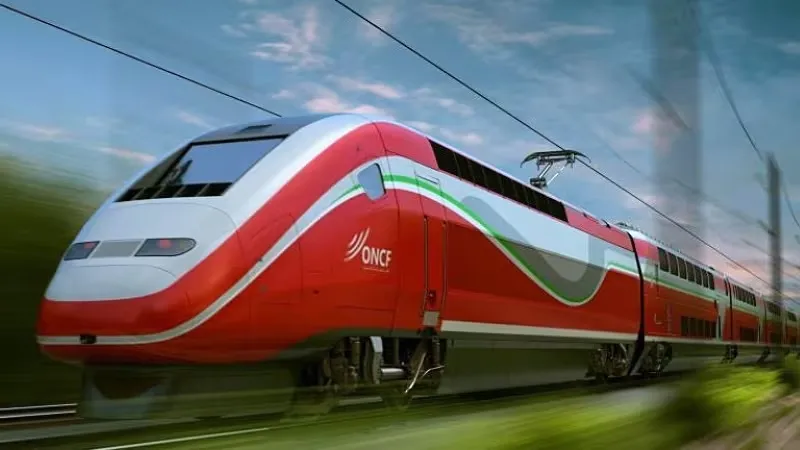
The ongoing construction of the remarkable 1,400-meter high-speed rail viaduct in Settat marks a significant milestone in Morocco's transportation infrastructure, particularly for the high-speed train line connecting Kenitra and Marrakech. This ambitious project is not just a feat of engineering; it represents Morocco's commitment to modernizing its national infrastructure as it prepares for major international events. The viaduct is designed to accommodate trains traveling at speeds of up to 350 km/h, ensuring a swift and efficient transportation network throughout the country.
Investment and Engineering Excellence
With a staggering investment close to 900 million dirhams, the construction of this impressive structure showcases the highest technical standards. The viaduct is supported by 29 reinforced concrete pillars spaced 50 meters apart, forming a total of 28 spans. Its height varies between 6 and 36 meters, allowing it to navigate the diverse topography of the region while maintaining optimal train operation. The construction involves the use of 7,700 tons of robust metal structures and 62,500 cubic meters of reinforced concrete, coupled with the installation of piles extending 9.5 kilometers into the ground to ensure the stability of its foundations.
This railway viaduct is a crucial component of the broader expansion project of Morocco's high-speed rail network, which extends 430 kilometers from Tangier to Marrakech, passing through Kenitra, Rabat, and Casablanca. This strategic segment through Settat is expected to significantly reduce travel times between the kingdom's major cities while providing maximum safety and comfort for passengers. As reported by the Minister of Transport and Logistics, Abdessamad Kayouh, the overall progress of the construction reached 30% as of May 25, 2026, with the completion and official delivery of the project anticipated by September 2029.
Moreover, a comprehensive investment package nearing 53 billion dirhams has been allocated for the development of the rail sector, which includes the construction of bridges, tunnels, and state-of-the-art signaling equipment. An additional 96 billion dirhams has been earmarked for acquiring 168 new-generation trains and upgrading the existing network. This transformative initiative was launched by King Mohammed VI, signaling a profound shift in Morocco's rail transport landscape.
Beyond its engineering marvel, the Settat viaduct symbolizes Morocco's economic, tourism, and social dynamism. It meets the increasing demand for modern, safe, and sustainable transport solutions, while also preparing the nation for the pivotal challenge of hosting the 2030 World Cup. The completion of these large-scale projects will enhance connectivity between the North and South, solidifying the railway network's role as a strategic driver of the kingdom's development.
As reported by fr.le360.ma.