Concerns Over Moroccan Tomato Imports Affecting Spanish Farmers
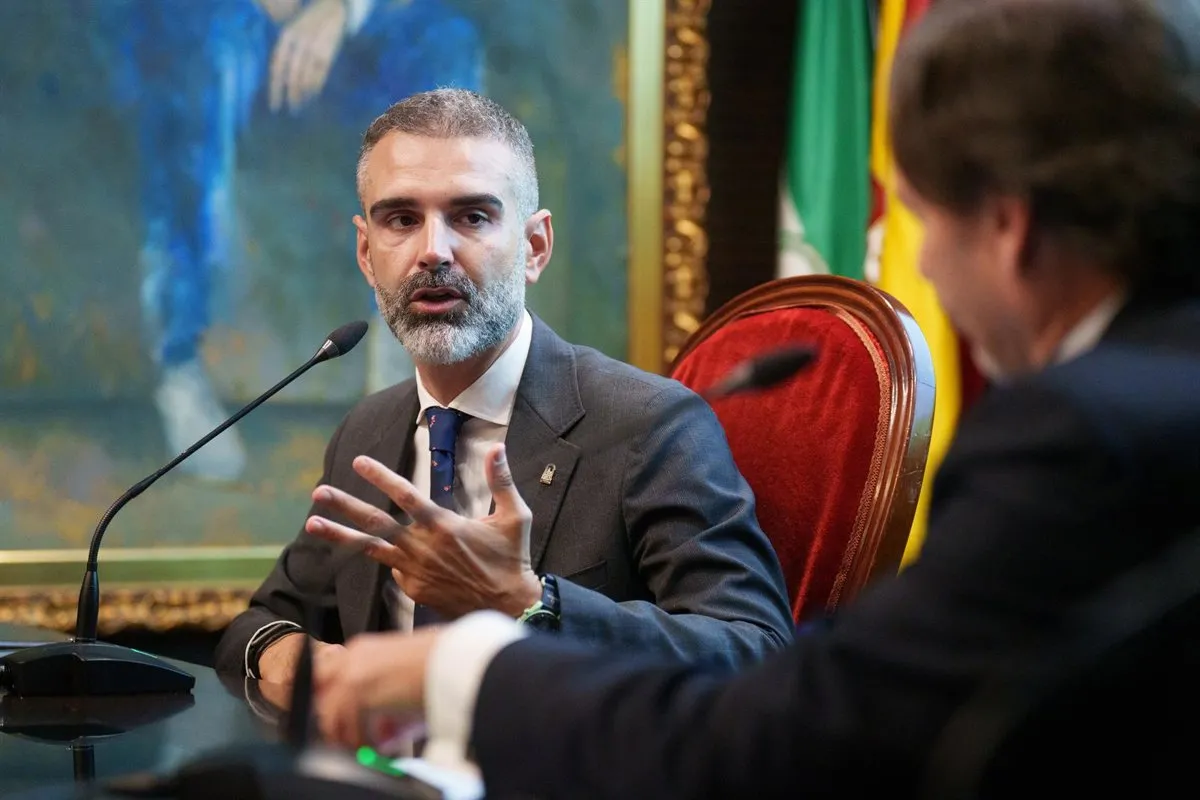
In a recent statement, Ramón Fernández-Pacheco, the Spanish Counselor for Agriculture, Fisheries, Water, and Rural Development, expressed his disappointment regarding the Spanish government's lukewarm approach towards defending national agricultural interests, particularly in relation to Morocco. During an informative breakfast organized by Europa Press, Fernández-Pacheco highlighted the concern among Spanish farmers, especially those in Andalusia, regarding the importation of tomatoes from Western Sahara, which is perceived to undermine local production. He emphasized that the government must take a more definitive stance to protect the interests of the agricultural sector, which feels increasingly vulnerable and unsupported.
Fernández-Pacheco raised critical questions about the legality of importing tomatoes from Western Sahara under current trade agreements, given the lack of recognition of Moroccan sovereignty over the region by the United Nations. He insisted on the need for strict adherence to international law and fair trade practices, calling for safeguards that ensure compliance with import quotas. This, he argues, is essential for maintaining the integrity of the market and supporting local farmers.
Call for Fair Trade Practices Across Borders
In addition to discussing Moroccan imports, Fernández-Pacheco also addressed the challenges posed by citrus imports from Egypt and olive oil from Tunisia. He underscored the necessity for consistency in enforcing trade agreements and ensuring that all parties adhere to international legal standards. The counselor called for automatic and fair safeguard clauses within trade agreements, noting that past experiences with commercial agreements have often been disappointing, with enforcement being either delayed or nonexistent.
Fernández-Pacheco also touched on the implications of the Mercosur agreement, labeling it "absurd" for Andalusia to oppose free trade, given the region's strong export potential. He reiterated the demand for equitable competition, stressing that all farmers should operate on a level playing field. He proposed that if the agreement included mechanisms to halt imports once quotas are exceeded, it would garner unanimous support from the agricultural community.
On the subject of the new Common Agricultural Policy (CAP), Fernández-Pacheco defended it as an essential support system for farmers, framing it as a means to ensure Europe’s food sovereignty. He argued that the CAP should not be dismissed as merely a subsidy but rather viewed as a strategic resource for reducing dependency on external sources for food supply. The counselor called for a reevaluation of policies to reflect new agricultural needs and ensure that productive regions, despite having fewer water resources, do not suffer funding cuts.
As reported by europapress.es.