Russian Diesel Exports Resume to Turkey and Brazil
In a significant development in the global energy market, Russia has resumed its diesel exports to Turkey and Brazil after lifting an export ban originally imposed on October 9, 2026. Shipping data from Kpler and LSEG indicate that in recent days, at least two tankers have set course for these countries, marking a pivotal moment for both nations, which heavily rely on diesel as a critical fuel source.
The export ban was initially put in place to address domestic supply shortages resulting from drone attacks in Ukraine that targeted Russian oil refineries. However, the situation shifted following a negotiation between Russia and U.S. President Donald Trump, allowing for the temporary suspension of U.S. sanctions on Russian fuel deliveries. Despite this agreement, the European Union and the United Kingdom's embargo on Russian fuel imports remains firmly in effect, underscoring the complex geopolitical landscape surrounding energy supplies.
As Trump aims to lower diesel prices ahead of the U.S. midterm elections on November 3, 2026, the importance of this fuel for industries such as agriculture, transportation, and manufacturing cannot be overstated. Typically, Russia ranks as the world's second-largest diesel exporter, trailing only the United States. However, prior to the lifting of the export ban, Russia had already reduced its diesel exports since the summer months.
Impact of the Ban Lift on Global Diesel Market
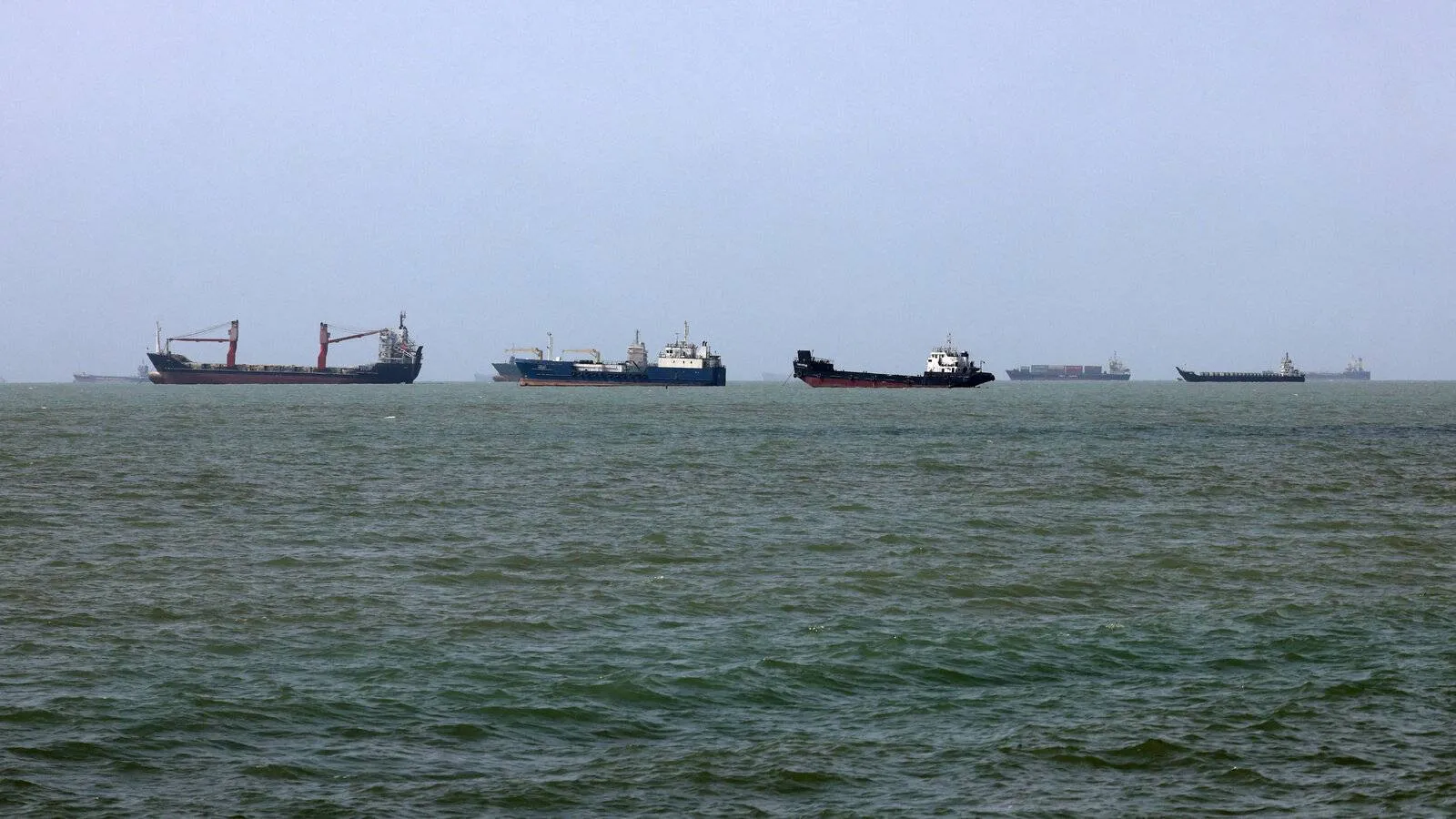
Data from Kpler reveals that Russian diesel exports this year have averaged approximately 345,000 barrels per day (bpd), reflecting a significant decline of 41% compared to the same period last year. Among the vessels involved in this renewed trade, the tanker Leruo departed from the Primorsk port on October 16, bound for Manaus, Brazil, while the tanker Dolunay left the same port on October 14, destined for Alanya, Turkey, with each carrying around 300,000 barrels of diesel. Notably, Morocco has also begun importing Russian diesel following the cancellation of the export ban, indicating a resurgence of trade in the region.
According to Kpler, Turkey has accounted for approximately 34% of total Russian diesel deliveries this year, while Brazil has made up 24%, and Morocco has contributed 10%. Michelle Brouhard, Head of Geopolitical Risk at Kpler, noted that the return of Russian supplies is likely to flow back to the countries that have historically been primary destinations for these exports. "With the return of Russian deliveries, existing trade routes are the logical targets for initial shipments. I also expect that Russia will prioritize customers that can quickly absorb large quantities rather than spending time exploring new markets while global diesel availability remains tight," Brouhard stated.
In anticipation of the incoming Russian shipments, fuel suppliers in Turkey have reportedly reduced their diesel purchases from domestic refineries, highlighting the shifting dynamics of supply in the region.
Trump announced that Russia is set to export 300,000 tons of diesel, approximately 2.25 million barrels, with expectations to increase this volume to 500,000 tons in November and eventually reach 1 million tons. Deputy Prime Minister Alexander Novak indicated that Russia's diesel exports could potentially exceed the volume agreed upon with Trump. By year-end, Russia aims for exports of up to 3.5 million tons per month, translating to around 875,000 bpd.
James Noel-Beswick, an analyst at Sparta Commodities, evaluated the announced delivery volume as relatively modest when compared to the global supply deficit. However, should Russia achieve the target mentioned by Novak, the additional supply could significantly alleviate the market shortages. LSEG data shows that European benchmark diesel futures prices have remained relatively stable since the agreement, trading at an $80 per barrel premium over Brent crude oil. This premium has decreased from a record nearly $95 per barrel at the end of September but remains substantially higher than a year ago.
During the period from October 11 to 20, 2026, Kpler data indicated that Russian diesel shipments reached approximately 210,000 tons or 1.56 million barrels.
As reported by reuters.com.
As reported by idnfinancials.com.