Morocco's Strategic Role in African Security: The Benghazi Conference
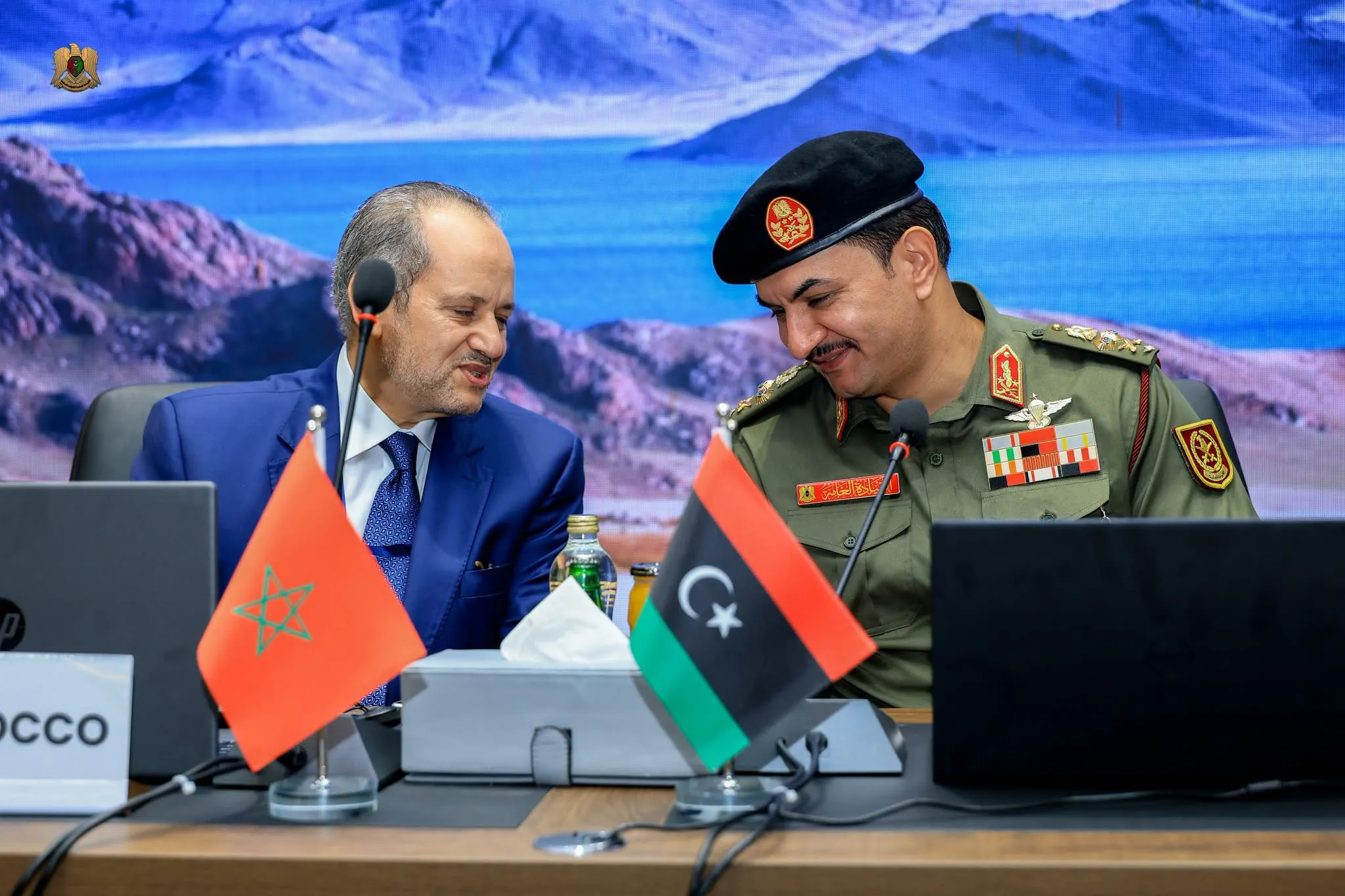
On October 25, 2026, the city of Benghazi, Libya, played host to a significant regional meeting focused on security and counter-terrorism, attended by 43 international delegations. This pivotal event was organized in partnership between the Libyan intelligence agency and Morocco's General Directorate for Studies and Documentation (DGED), alongside the United Nations Office of Counter-Terrorism. The conference was themed "Addressing the Convergence of Terrorism and Organized Crime in Africa," highlighting the urgent need for collaborative efforts in tackling these pressing issues across the continent.
Mohamed Al-Tayyar, the head of the National Observatory for Strategic Studies, emphasized that this high-level meeting, co-chaired by Morocco's DGED Director General, Mohamed Yassine Mansouri, and Libya's Chief of Intelligence, General Hussein Al-Aib, is more than just a fleeting security event; it embodies the effectiveness of Morocco's strategic vision, which is built on solid and rational foundations. This vision is deemed crucial for reshaping the landscape of stability within Africa. Al-Tayyar pointed out that the participation of 43 international delegations, supported by the UN through the "Marrakech Platform," reflects Morocco's transition from reactive responses to proactive long-term strategic planning, thereby enhancing Rabat's position as a cornerstone in the architecture of regional and international security.
Enhancing Security Partnerships and Regional Stability
According to Al-Tayyar, the rationale behind Morocco's security partnerships stems from the country's recognition of the close interconnection between security, development, and good neighborliness. He stressed that Morocco's approach transcends mere security measures and punitive actions; it is grounded in a comprehensive vision that integrates proactive intelligence vigilance, sustainable economic and social development, and the fortification of the religious sphere. This understanding of the intertwined threats between North Africa and the Sahel-Saharan region further bolsters Morocco's stature in regional security cooperation.
Moreover, Al-Tayyar noted that the leadership of the Moroccan delegation by Mohamed Yassine Mansouri reflects confidence in the Kingdom's security expertise, particularly in the proactive identification and dismantling of terrorist cells, as well as countering activities by groups like ISIS and Al-Qaeda, which exploit security gaps in fragile and complex environments. He argued that the security and military rapprochement between Morocco and Eastern Libya signifies a geostrategic shift aimed at strengthening Morocco's presence in the stability equations of the region. According to him, the stability of the Maghreb region necessitates building cooperation channels with active forces in Eastern and Southern Libya, given their security implications and direct interactions with the Sahel-Saharan zone.
Furthermore, the recent field visit by Khalid Haftar to Morocco and his discussions with the leadership of the Royal Armed Forces underscore a commitment to exchanging military expertise, particularly in the fields of airborne troops and tactical deployment. Al-Tayyar pointed out that this visit coincided with the participation of Haftar's brother, Saddam Haftar, in the intelligence meeting in Benghazi alongside Mansouri, reflecting a dual and integrated approach in the relations between the two sides—one that is security and intelligence-focused, and another that is military and operational.
In conclusion, the Benghazi meeting represents a crucial step towards advancing joint security coordination in addressing the complex challenges facing Africa. Al-Tayyar articulated that such collaboration aims to dismantle the links between terrorist groups and transnational organized crime networks, including arms smuggling and human trafficking, which are significant funding sources for these organizations. He asserted that the current phase offers opportunities to enhance this cooperation practically through the establishment of joint operation rooms and the launch of specialized training programs for Libyan personnel under Moroccan auspices. This would enable the utilization of reconnaissance and intelligence capabilities from Eastern Libya, leveraging Morocco's expertise in monitoring and international security cooperation, thereby reinforcing the security of both nations and contributing to the stability of the Maghreb and African spaces.
As reported by ar.telquel.ma.