The African Development Bank (AfDB) continues to solidify its relationship with Morocco by announcing a new financing initiative aimed at investing $487 million to accelerate structural reforms and enhance economic and climate resilience. This substantial funding reflects the bank's ongoing commitment to support Morocco's economic transformation.
According to a statement received by the Moroccan digital news platform, Hespress, the bank's Board of Directors, which convened yesterday in Abidjan, approved the funding specifically to expedite the structural change of the Moroccan economy. The statement emphasized that this initiative aims to foster a more dynamic, inclusive, and resilient growth trajectory capable of withstanding external and climate-related shocks.
Key Focus Areas of the Funding
The third phase of the "Economic Governance and Climate Resilience Support Program" (PGRCC) particularly targets the enhancement of the private sector in Morocco as a key driver for investment and value creation, while refocusing the roles of the state on its strategic tasks. Official data from the bank outline two main pillars of financing.
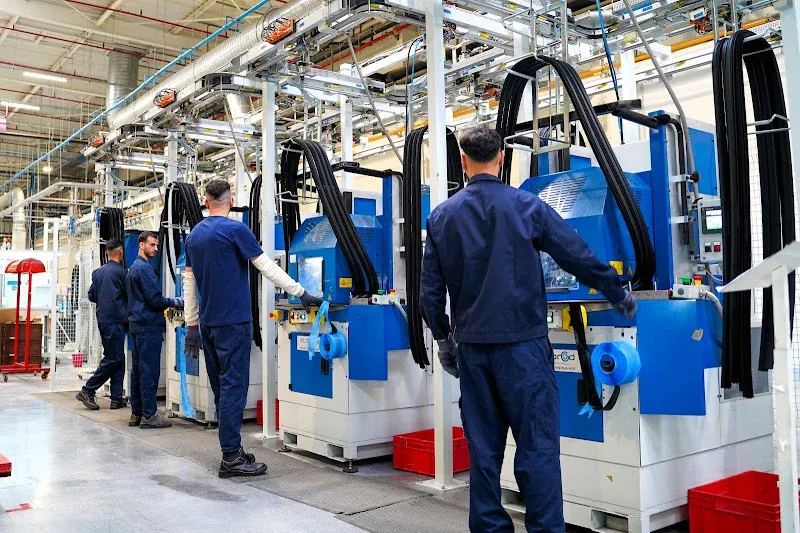
The first pillar concentrates on optimizing public sector work structures. It specifically supports the restructuring of public enterprise portfolios, modernizing the public-private partnership framework, and improving the business climate. The goal is to create conducive conditions for attracting more private investments, especially through supporting small and medium-sized enterprises, fostering innovation, and facilitating integration into global value chains.
The second pillar is expected to enhance the Kingdom's ability to cope with climate and energy challenges. This will involve updating governance in the water and electricity sectors and better integrating climate-related challenges into public policies, which will aid in expediting the transition towards a low-carbon economy.
Addressing Middle East Crisis Impacts
This third phase of funding will also contribute to reinforcing reforms initiated in previous phases while supporting Morocco in tackling the repercussions of the ongoing crisis in the Middle East, primarily manifested through rising energy and transportation costs. In this context, the initiative is framed within the "Global Framework for Responding to the Energy and Fertilizer Crisis" (GEFCRF) established by the bank.
The operation combines measures aimed at addressing economic volatility and enhancing resilience, which includes maintaining budgetary margins and prioritizing spending in key sectors while ensuring the momentum of reforms and investments continues. Abdullah Koulibaly, the Director of Governance and Economic Reforms at the AfDB, stated in the report, "Our ambition is to help absorb external shocks, whether economic, energy-related, or climatic. We also aim to entrench the necessary structural reforms to sustainably enhance Morocco's economic resilience and encourage private investment."
This initiative aligns with the strategic vision of the AfDB, which is based on four core priorities, and it is in accordance with Morocco's strategic priorities aimed at accelerating economic transformation and enhancing long-term economic resilience. Ashraf Terrasime, the resident representative of the AfDB in Morocco, underscored the significance of this new funding, noting that Morocco has chosen to advance its reforms despite external shocks. He added, "Our goal is to support this vital momentum to accelerate economic transformation, promote growth, and create more job opportunities." Since 1978, the AfDB has mobilized nearly €15 billion to support over 150 projects in Morocco, covering crucial sectors such as transport, energy, water and sanitation, agriculture, and social protection.
As reported by hespress.com.