Discovering Agadir: A City of Resilience and Beauty
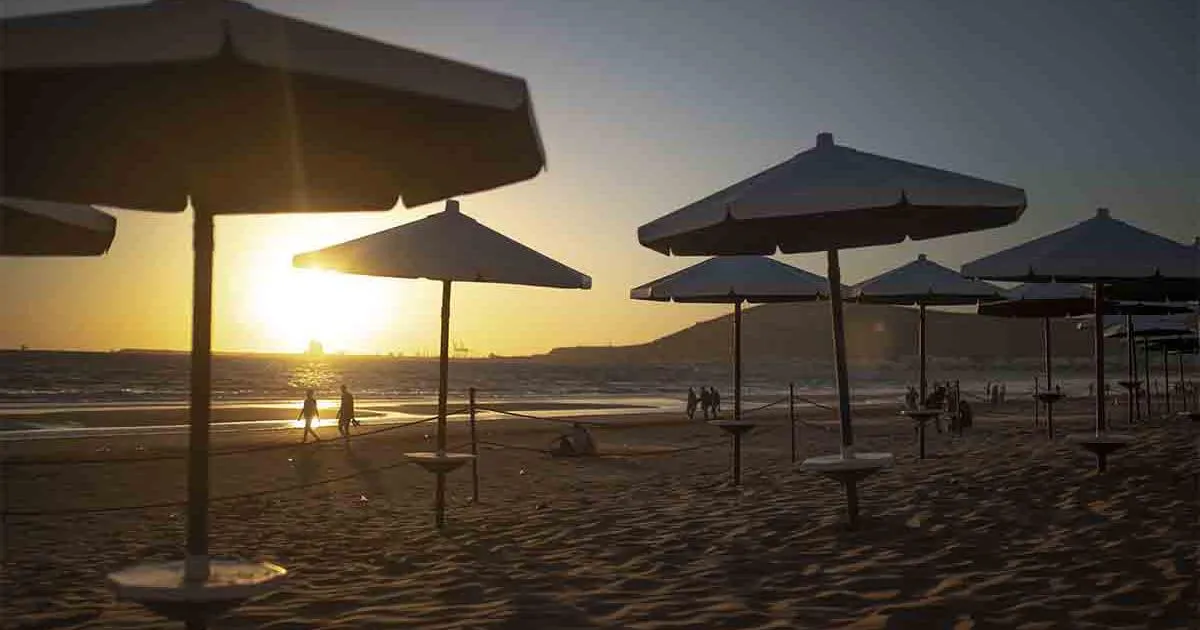
As the sun gracefully sets behind the majestic Atlas Mountains, a stunning transformation occurs over the crescent bay of Agadir, Morocco. The entire shoreline is bathed in a warm, incandescent gold that captivates anyone fortunate enough to witness it. Standing on the palm-lined pathways of the Corniche, with the refreshing Atlantic breeze sweeping through the warm air, it becomes abundantly clear why Agadir has earned the distinguished title of Morocco’s 'Pearl of the Radiant Coast.' Unlike the intricate labyrinths of clay-red imperial cities like Marrakech or Fes, Agadir thrives on a rhythm that is uniquely its own. This modern coastal city is characterized by expansive, sunlit boulevards, a vibrant and open atmosphere, and an architectural cleanliness that is both refreshing and inviting. Beneath its contemporary resort exterior lies a rich narrative of resilience, breathtaking natural landscapes, and a burgeoning surf culture that is redefining travel in North Africa.
The Story of Agadir's Revival
To truly appreciate the modern incarnation of Agadir, one must gaze upon Agadir Oufella, the historic 16th-century Kasbah that majestically overlooks the harbor from a height of 236 meters. Inscribed on its ancient ramparts in Arabic, French, and Amazigh are the words: "Love, Service, and Faith." This inscription serves as a poignant reminder of the city’s tumultuous past. In February 1960, a devastating earthquake struck, obliterating the original city in mere seconds and claiming the lives of approximately 15,000 people. Rather than rebuilding atop the ruins, the Moroccan government made a significant decision to preserve the hilltop as a solemn memorial while constructing a new, earthquake-resistant city further along the coast. Today, visitors can ascend to the Oufella ruins via a modern cable car, offering breathtaking views of the contemporary city sprawled below and the endless blue of the Atlantic Ocean, symbolizing the community's incredible journey of rebirth.
The heart of Agadir's allure lies in its sweeping urban beach, which stretches a remarkable 10 kilometers along the shoreline. This golden stretch of sand is not only expansive but also meticulously maintained, providing a sanctuary that is sheltered from the more aggressive currents of the Atlantic by the natural formation of Cape Ghir. Running parallel to the beach is the Corniche, a lively waterfront promenade where locals, tourists, joggers, and street performers converge under the shade of lush palm trees. The southern end of the beach features luxurious eco-resorts, seamlessly integrating traditional Moroccan zellige tilework with modern architectural lines. Here, mornings come alive with the invigorating scents of fresh mint tea and the salty ocean air.
While Agadir may lack an ancient medina typical of other Moroccan cities, it compensates with Souk El Had, an expansive covered market located in the city center. As one of the largest traditional markets in North Africa, it boasts over 6,000 colorful stalls that offer a sensory explosion of sights and smells. Unlike the tourist-focused bazaars found elsewhere, Souk El Had embodies the true essence of Agadir. Its organization by category creates a surprisingly orderly atmosphere, allowing visitors to navigate through vibrant displays of spices, including pyramids of bright red paprika, golden turmeric, and fragrant cumin that fill the air with their intoxicating aromas. Additionally, Agadir is renowned as the historical epicenter of argan oil production, where local Berber cooperatives showcase the meticulous process of cold-pressing the argan nut, offering various products ranging from pure cosmetic oils to culinary delights like amlou, a delectable blend of argan oil, toasted almonds, and honey.
Just 18 kilometers north of Agadir lies Taghazout, a picturesque fishing village that has become a mecca for surfers from around the globe since the hippie trails of the 1960s and 70s. Currently, Taghazout Bay is undergoing a remarkable renaissance, attracting professional surfers to its iconic point breaks, such as Anchor Point, Killer Point, and Hash Point, particularly during the North Atlantic swell season from October to April. Despite this development, the area has retained its bohemian charm, with yoga studios overlooking the surf, chic boutique riads, lively surf camps, and trendy vegetarian eateries offering a unique blend of relaxation and adventure.
When the coastal mist lifts, Agadir reveals its hidden treasure: Paradise Valley. Located roughly 45 minutes away in the foothills of the High Atlas Mountains, this stunning limestone gorge offers a breathtaking contrast to the beachfront. Following a winding path through argan forests and olive groves, travelers are greeted by a serene oasis filled with clear emerald pools and gentle waterfalls, perfect for cliff diving, hiking, or simply soaking in the beauty of nature while sipping sweet Moroccan tea.
With over 300 days of sunshine each year, Agadir has evolved beyond a mere seasonal getaway; it has established itself as a vibrant, year-round destination. As it prepares for significant global events such as the FIFA World Cup 2030, Agadir stands poised to welcome visitors with open arms. Whether you are riding the perfect waves in Taghazout, exploring the modern marina, or reflecting in silence atop the ancient Oufella walls as the lights of the bay sparkle to life, Agadir offers a refreshing and contemporary interpretation of Moroccan hospitality, inviting you to embrace its wide horizons and the beckoning ocean.
As reported by middle-east-online.com.