Ahmad Rayesouni's Insights on Morocco's Current Political Landscape
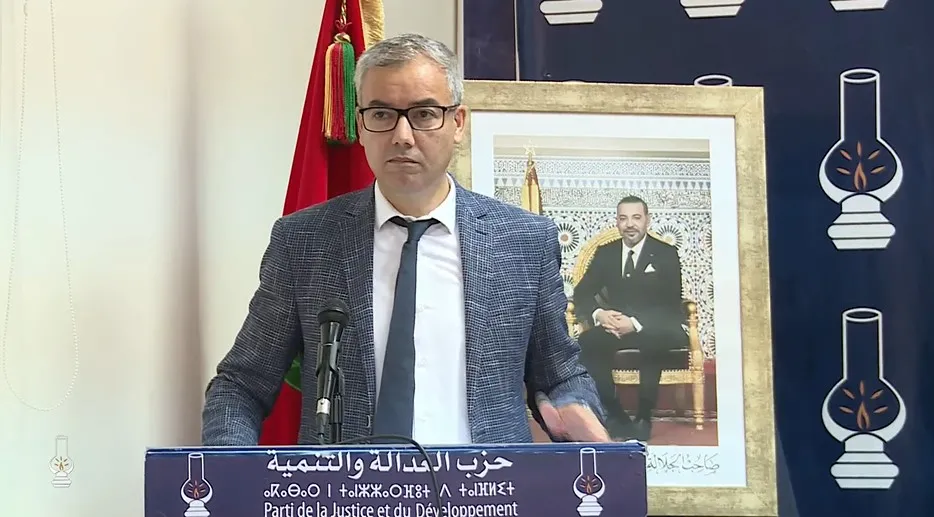
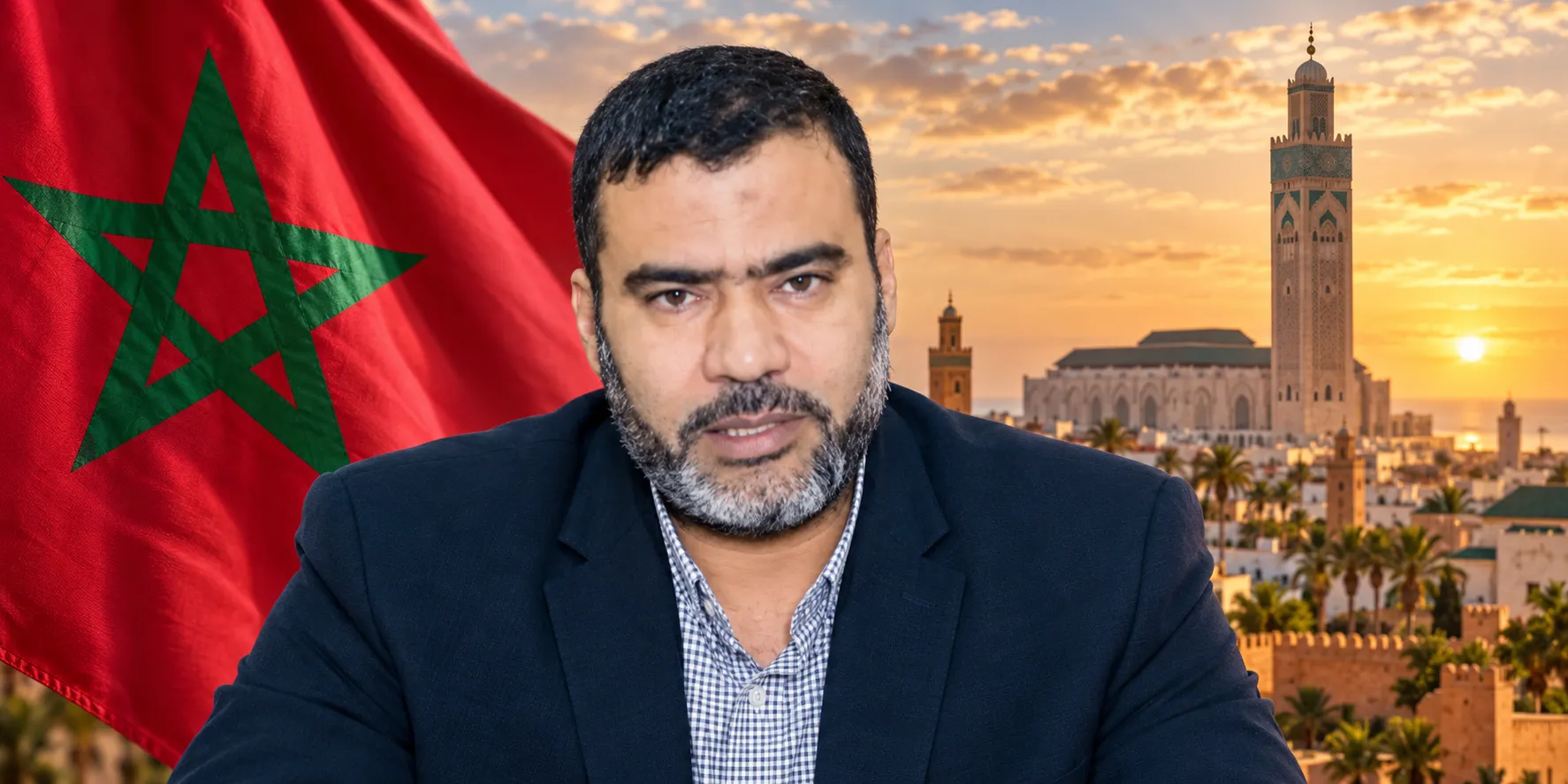
In a thought-provoking interview on the podcast "In Another Format," Ahmad Rayesouni, the former president of the International Union of Muslim Scholars, expressed his views on Morocco's evolving relationship with Israel, likening it to a "new era of protection" reminiscent of the historical French protectorate. His comments come as Morocco navigates the complexities of its diplomatic ties with Israel, which were officially restored in 2020. Rayesouni warned that the ramifications of this normalization extend far beyond mere diplomatic engagement, infiltrating various economic and social spheres within Moroccan society.
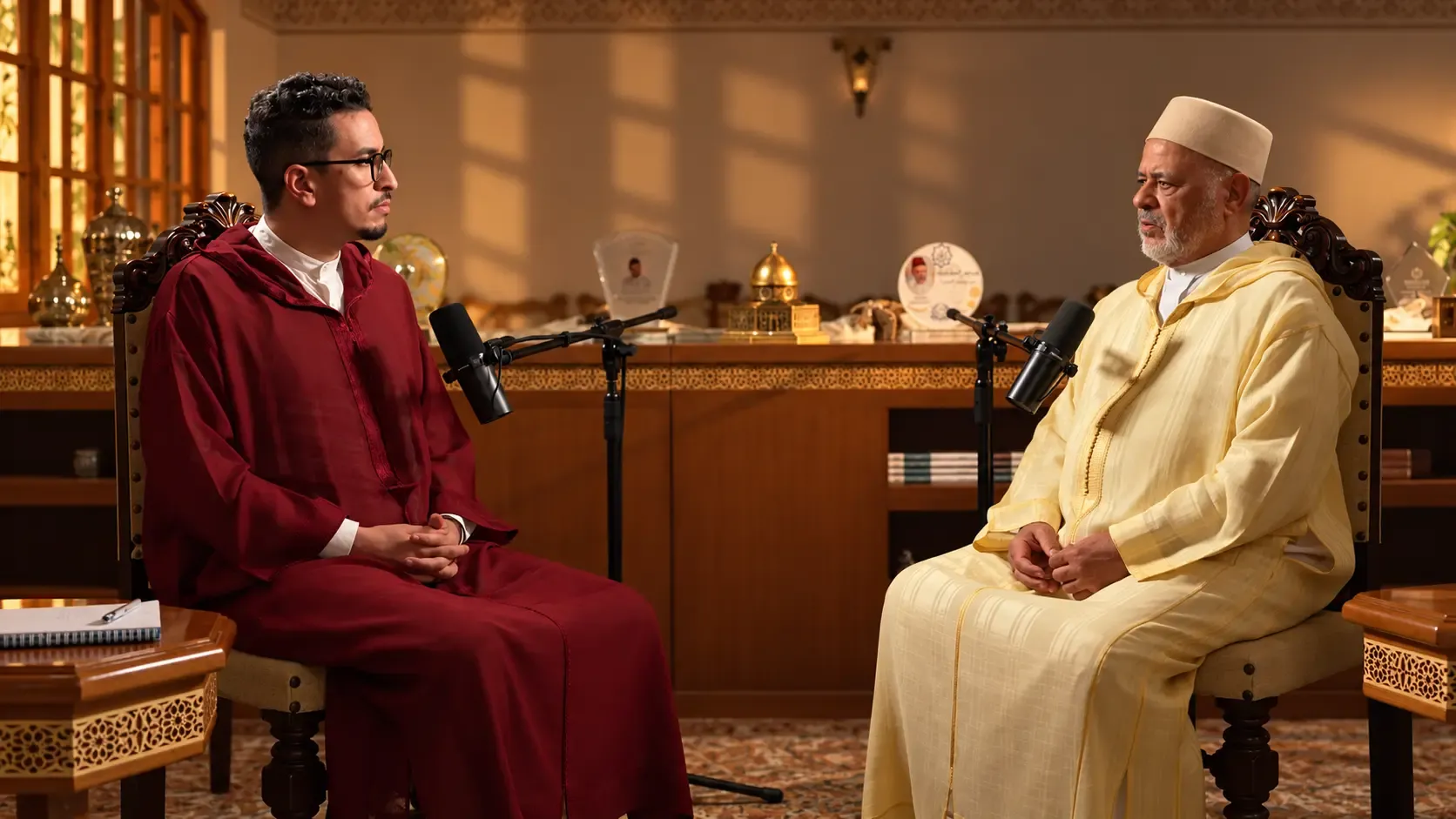
During the podcast hosted by Hamza Fadail, Rayesouni emphasized that the term "Israeli infiltration" no longer accurately captures the gravity of the situation. He argued that while such infiltration may have occurred gradually in the past, the resumption of official relations has precipitated a more alarming and extensive presence of Israeli influence in Morocco. He stated, "What we are witnessing is not just infiltration; it is an invasion that encompasses various sectors, marking a significant shift in our historical context. This is unprecedented since the era of the protectorate." Rayesouni pointed to the 2020 agreement as a pivotal moment that deepened Israeli involvement in Morocco.
Concerns Over Israeli Economic Influence
Rayesouni raised specific concerns regarding Israeli interests in Moroccan agricultural lands. He shared insights from a personal connection in the farming community, who informed him that Israeli entities are actively identifying prime agricultural locations through satellite technology. These entities then approach landowners with offers to purchase or partner in agricultural ventures, raising alarm about the potential implications for Moroccan sovereignty over its resources. He articulated, "These organizations are meticulously scouting fertile lands, contacting owners with proposals that may threaten our agricultural independence. This scenario is a clear reflection of the transformative dynamics at play since our normalization with Israel."
Moreover, Rayesouni criticized the political elite's response to the growing Israeli presence, suggesting that their actions do not adequately address what he perceives as a serious threat to national integrity. He called for a more vocal public resistance against normalization, stressing that public discourse and media engagement are vital in countering what he describes as the encroachment of Israeli influence. Despite the challenges, Rayesouni acknowledged the persistence of grassroots movements opposing normalization, which he believes are crucial for keeping the conversation alive among citizens and maintaining awareness of the issue.
In conclusion, Rayesouni's warnings reflect a significant concern among certain segments of Moroccan society regarding the implications of normalization with Israel. He advocates for a more assertive and public stance against the developments that he views as detrimental to Morocco's sovereignty and social fabric.
As reported by al3omk.com.