Six months after the most controversial final in the history of the Africa Cup of Nations between Senegal and Morocco, the tournament is making its much-anticipated return to the land of the Lions and Lionesses of the Atlas. This time, the spotlight shines on women's football as the 14th edition of this prestigious continental competition unfolds.
A New Moroccan Edition
Originally scheduled to take place from March 17 to April 3, 2026, in Morocco, the Women's Africa Cup of Nations (CAN) faced uncertainty due to a protracted situation that arose at the end of February, leading to a postponement announcement on March 5. The African Football Confederation (CAF) explained that this decision followed discussions with FIFA and other stakeholders, citing unforeseen circumstances that complicated adherence to the initial schedule. Despite South Africa's bid to host the event in place of Morocco, it has been confirmed that the women's tournament will indeed be held in Rabat and Casablanca for the third consecutive time.
An Expanded Tournament with 16 Teams
On November 4, the CAF Executive Committee approved an exciting expansion of its flagship women's tournament. With the 2026 edition, the CAN will feature 16 teams, a significant increase from previous tournaments. Twelve teams secured their places through the qualifying rounds, including Morocco as the host nation, Zambia, Tanzania, Malawi, Algeria, Nigeria, Ghana, Burkina Faso, Kenya, South Africa, Cape Verde, and Senegal. This reform also allowed for the re-inclusion of four nations that missed out during the qualifiers: Cameroon, Ivory Coast, Mali, and Egypt.
The tournament format remains traditional, with 16 teams divided into four groups of four. The top two teams from each group will advance to the quarter-finals, and unlike the previous format, there will be no third-place qualification, making each match crucial from the outset. In the event of a points tie, teams will be ranked based on goal difference, total goals scored, head-to-head match results, and fair play standings. Another notable change is the introduction of Video Assistant Referee (VAR) technology, which will be utilized from the group stage onward. From the quarter-finals onward, matches will be played in a knockout format, proceeding to extra time and potentially penalties if necessary.
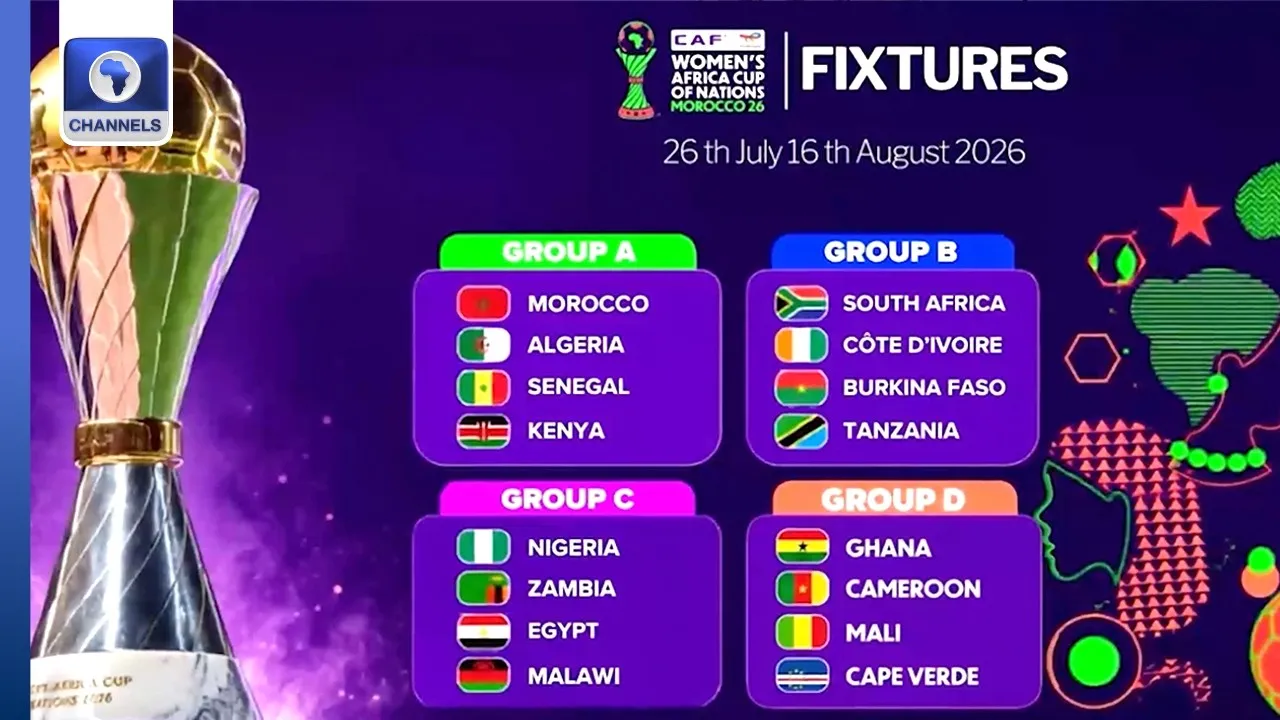
The groups for the CAN 2026 are as follows:
- Group A: Morocco, Algeria, Senegal, Kenya
- Group B: South Africa, Ivory Coast, Burkina Faso, Tanzania
- Group C: Zambia, Nigeria, Egypt, Malawi
- Group D: Ghana, Cameroon, Mali, Cape Verde
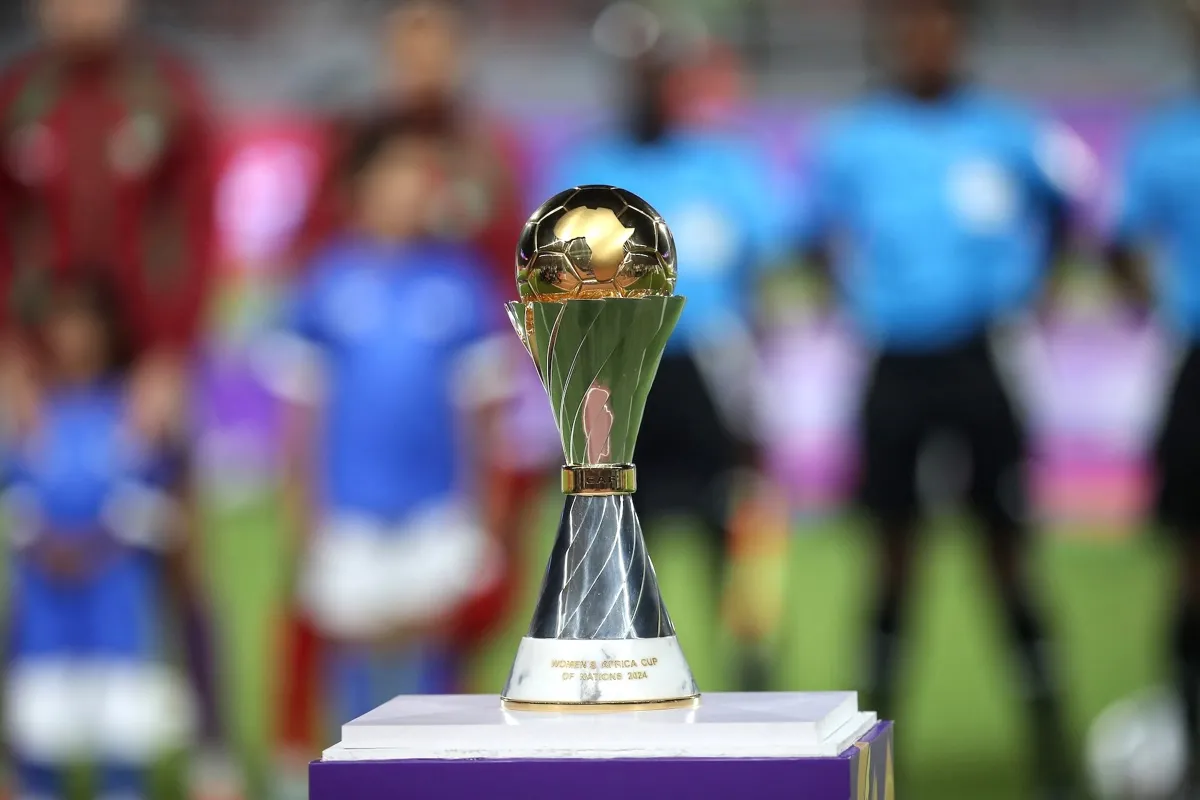
The stakes are high as all 16 teams set their sights on the coveted Africa champion trophy, unveiled last year with a refreshed design. Additionally, CAF President Patrice Motsepe announced on July 22 an increase in prize money for participating teams. The participation prize has risen from $125,000 to $150,000 per team, while the champions will receive a reward of $2 million, up from $1 million. Beyond the continental trophy, this edition also serves as a qualifier for the 2027 World Cup in Brazil, with the four semi-finalists earning automatic spots. The four teams eliminated in the quarter-finals will compete in a playoff tournament to determine two additional representatives for the World Cup.
Key dates to remember for the CAN 2026 include:
- July 26: Opening match Algeria vs. Senegal
- July 26 to August 6: Group stage matches
- August 8 and 9: Quarter-finals
- August 12: Semi-finals
- August 13: African playoffs for the 2027 Women's World Cup
- August 15: Third-place match
- August 16: Final
As reported by france24.com.