
Impact of Racist Discourse and Misinformation During the 2026 World Cup
The 2026 World Cup has ignited discussions beyond the realm of sports, becoming a breeding ground for the proliferation of racist rhetoric and misinformation. As the tournament commenced, social media platforms were already flooded with racist messages targeting the national teams participating in the event. This phenomenon has not only highlighted the existing prejudices in society but also showcased how technology, particularly artificial intelligence, has contributed to amplifying hateful narratives. Throughout the tournament, which is set to conclude this Sunday, various instances have emerged where the competition has been misused as a pretext to disseminate false information and extend the reach of racist discourse.
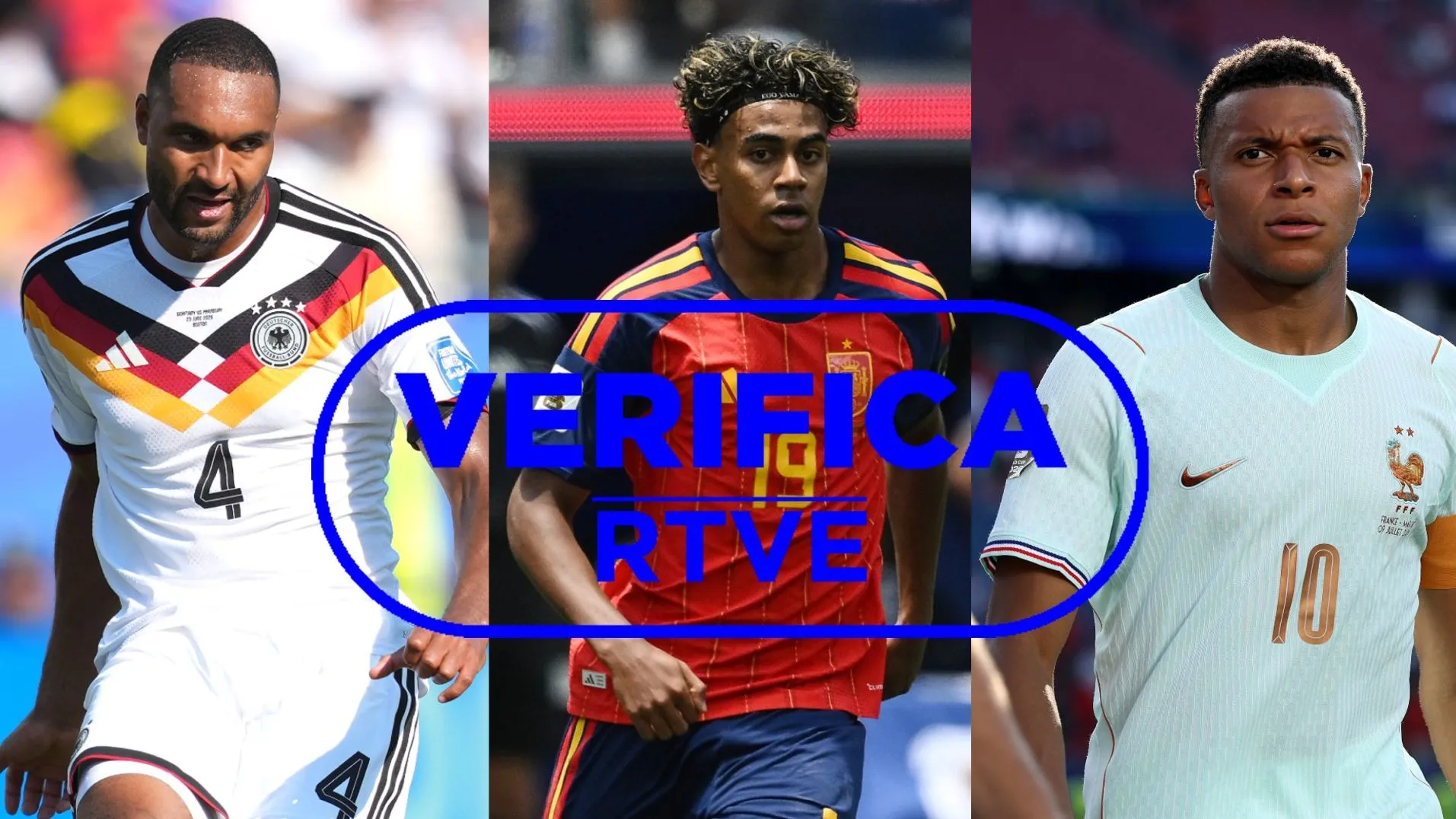
Data from FIFA revealed a staggering number of 89,000 offensive posts on social media during the group stage alone, which wrapped up on June 27. Among these, a disconcerting 11% consisted of racist messages, marking them as the most prevalent form of hate speech detected. High-profile political figures have also engaged in disseminating these sentiments; for instance, Paraguayan senator Celeste Amarilla drew criticism for her derogatory comments targeting French player Kylian Mbappé. The United Nations has condemned such expressions as "despicable" and urged social media platforms to take proactive measures against racial discrimination occurring on their sites. Moreover, the French government has faced backlash for labeling the former Prime Minister Mariano Rajoy as "racist" due to his controversial remarks regarding the French national team.
False Narratives Surrounding Migrant-Origin Players
With a record 48 teams participating in the 2026 World Cup, many of whom feature players of diverse backgrounds, the tournament has brought to light various narratives regarding athletes of migrant origin. Notably, 292 out of the 1,248 players in the tournament were born outside the countries they represent, revealing the global nature of this sporting event. One such example is Curaçao, which fielded a squad for the first time, comprising primarily players born in the Netherlands. On social media, however, misinformation has been rampant, with claims such as a fabricated petition advocating for the exclusion of African or Muslim players from national teams like Germany. Such misleading narratives not only reflect deep-seated bias but also threaten to undermine the spirit of unity and diversity that sports exemplify.
As reported by rtve.es.