
Polisario Front Reconsiders Independence Amid U.S. Mediation
The Polisario Front has recently altered its stance regarding the independence of Western Sahara, now viewing it as no longer the sole option in its dealings with Morocco. This shift comes as the group acknowledges the role of the United States in mediating the long-standing conflict. In the past months, three rounds of dialogue have taken place, with two held in Washington and one at the U.S. Embassy in Madrid, facilitated by the United Nations.
Interestingly, the Polisario now perceives Morocco's proposal for autonomy in Western Sahara as potentially the "most viable" solution for the ongoing territorial dispute. However, the group criticizes Morocco for its perceived lack of good faith in negotiations and highlights the challenges of establishing genuine autonomy under the current Moroccan regime.
The Reality of Sahrawi Refugees
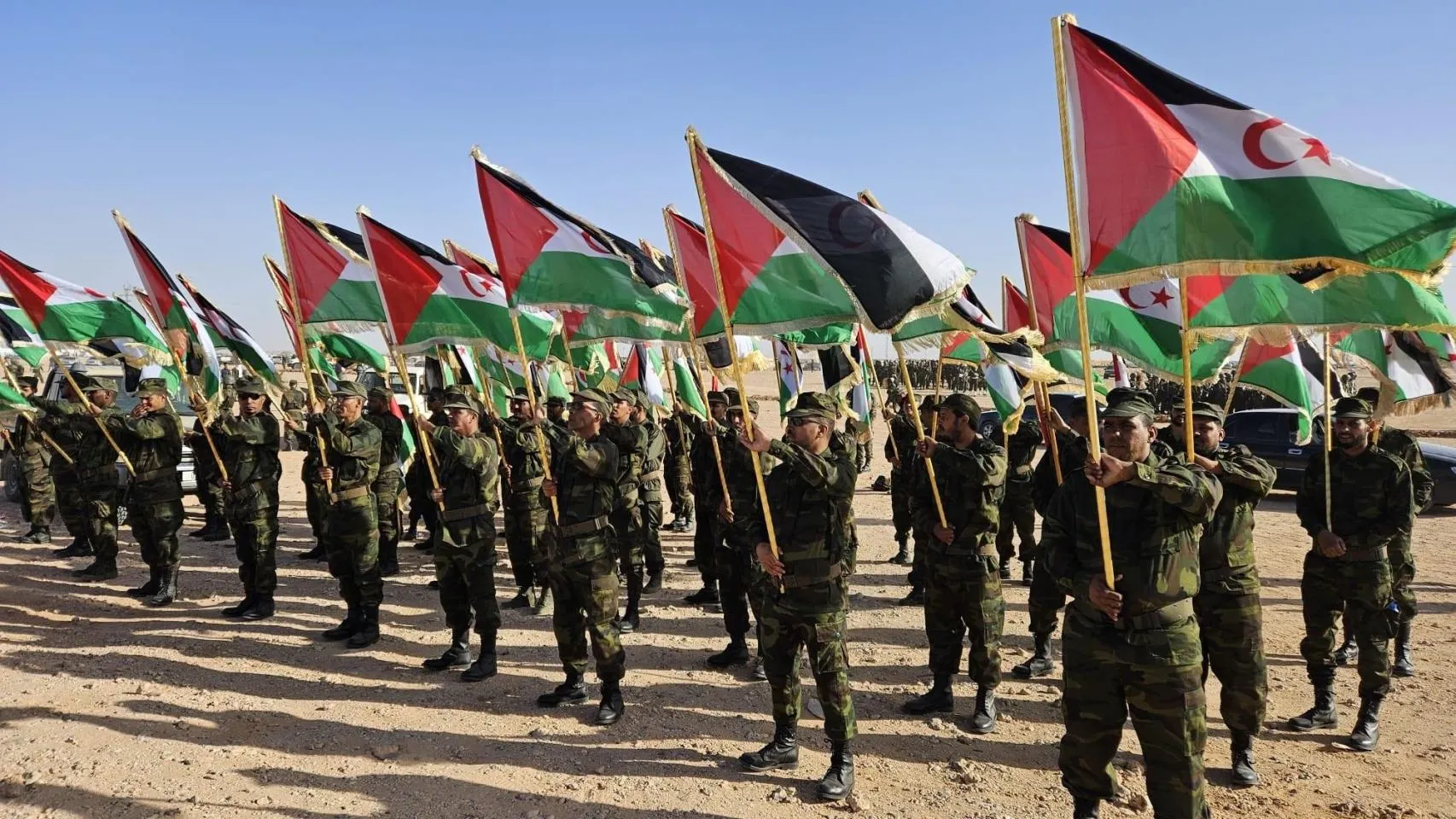
Time seems to stand still in the Sahrawi refugee camps of Tinduf, where the reality of life is starkly different from the outside world. Events such as a military parade commemorating the 50th anniversary of the proclamation of the Sahrawi Arab Democratic Republic (RASD) often begin hours later than scheduled, reflecting the unique temporal perception within these camps. Established in the Algerian desert, these camps now house over 100,000 Sahrawi refugees, a situation that has persisted for decades due to the unresolved conflict with Morocco.
Among the refugees, there are older individuals who still dream of returning to their homeland, searching their memories for any remnants of their past lives. In contrast, the younger generation has grown up without ever knowing their homeland and often express skepticism about the possibility of ever returning. Mohamed Yeslem Beisat, the RASD’s Minister of Foreign Affairs and African Affairs, carries the heavy responsibility of changing this enduring reality, representing the Polisario Front in renewed negotiations with Morocco, which are now under the auspices of the U.S. government.
Despite the complexity of the situation, there appears to be a renewed sense of hope, especially with the involvement of the U.S. in mediation efforts. The veteran Sahrawi leader, Bachir Mustafa Sayed, recently stated that the American administration insists on accelerating the search for a resolution in the coming months. While he acknowledges that the ongoing conflicts in the Middle East may distract attention from the Sahrawi issue, he remains optimistic about the potential for progress.
However, the Polisario leadership is cautious about attributing too much significance to U.S. involvement, given that previous actions by the Trump administration included recognizing Morocco's sovereignty over Western Sahara as part of broader agreements with Arab nations. Such dynamics complicate the mediation process and challenge the Polisario's pursuit of independence.
In summary, the Polisario Front is navigating a complex political landscape as it reassesses its strategies in light of U.S. involvement and ongoing negotiations with Morocco. The situation remains delicate, with underlying tensions still present, but the potential for a negotiated solution offers a glimmer of hope for a resolution to the long-standing conflict.
As reported by elespanol.com.