
The Resurgence of Rifians: A Peaceful Appeal to Spain
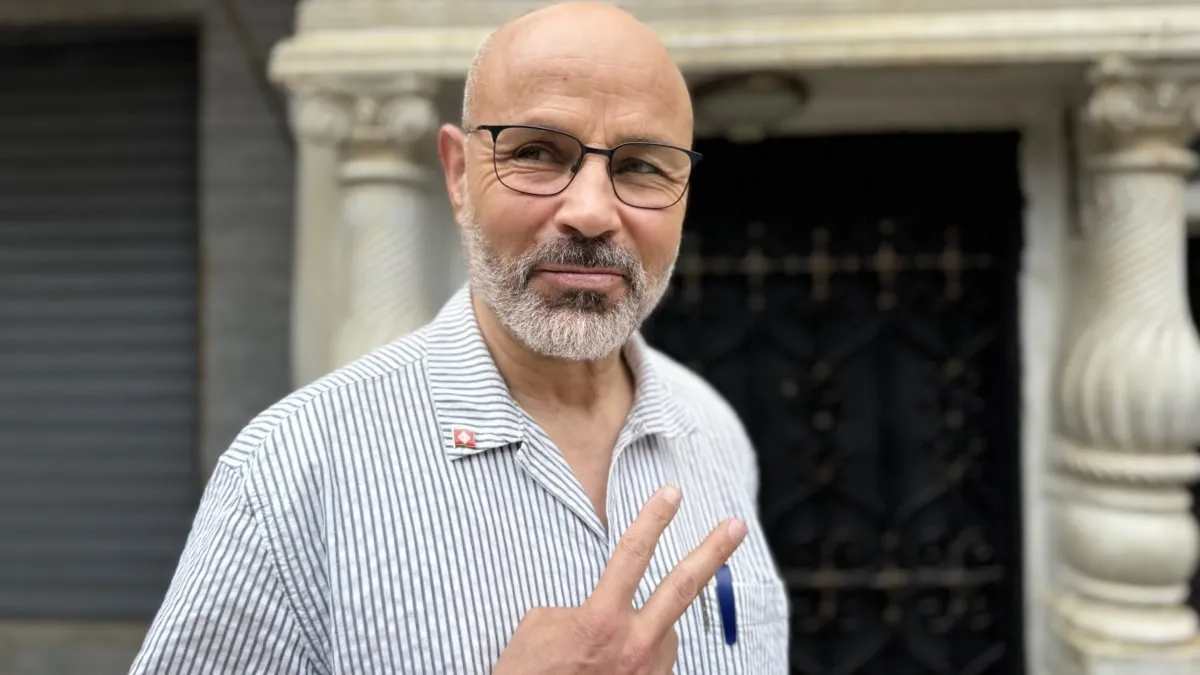
Over a century after the Annual disaster, the Rif region is once again reaching out to Spain, but this time without the clamor of war or the legendary tales of mountainous resistance that once overwhelmed the Spanish army. Instead, the Rifians are presenting a political message aimed at dispelling one of the historical specters haunting the shared narrative between both shores of the Mediterranean. As articulated by Ali Aarass, a prominent activist and a victim of a decade-long imprisonment in Morocco, the Rifians' request is straightforward: they seek Spain's acknowledgment of an error made in 1956, when the Rif was handed over to Moroccan rule without consulting its people or the then-leader Abd el-Krim el-Jattabi, who was still alive in Egypt at the time.
The new voices of Rifan nationalism, united under the National Rifan Party, are striving to counter the longstanding misconceptions perpetuated by the Spanish imagination. Contrary to decades of attributions, their aspirations are not rooted in militaristic ambitions. They do not seek claims over Ceuta and Melilla; instead, they are advocating for a cooperative relationship with Spain, particularly in contrast to Morocco. Aarass emphasizes their demand for Madrid to recognize the mistake of ceding the Rif to Morocco without engaging with its inhabitants or Abd el-Krim, who had established a republic in the region in 1921, only to see it crushed by Spain and France five years later.
A New Narrative: Seeking Recognition Rather Than Revenge
This call for recognition from Spain is not just a mere formality; it represents a significant shift in the narrative of a nation that has long been marred by resentment. Where Spain remembers the Annual disaster, the Rifians are offering a different story: one of a frustrated nation that desires acknowledgment rather than vengeance. Aarass asserts that their goals are clear—they do not wish to incite violence or engage in warfare; instead, they simply want to reclaim their land and foster diplomatic, political, and economic unity among themselves, aiming for an open gateway to Europe.
The request to Spain is framed not as a threat to Spanish interests in North Africa, but rather as a potential solution to one of Spain's strategic dilemmas—its often strained relationship with Morocco. Aarass points out that Spain is weary of Morocco's orchestrated migration issues, drug trafficking, organized crime, and terrorism, which he describes as part of Morocco's ongoing blackmail tactics. He argues that an independent Rif could serve as a buffer against Moroccan pressure. However, beyond geopolitical calculations, the Rifians seek to dismantle one of the deep-seated fears in Spain: the notion that their claims might challenge the status of Ceuta and Melilla. Aarass vehemently refutes any such aspirations, asserting that their focus remains on establishing a peaceful dialogue with Spain.
Both Aarass and fellow party member Yuba El-Ghadioui emphasize that their struggle is not against Spain but against the Alaouite monarchy of Mohamed VI. They clarify that certain pro-Moroccan Rifians are attempting to misrepresent the National Rifan Party's intentions as separatist, which they categorically deny. Their goal is not to create discord but to peacefully reclaim their homeland through diplomatic channels. El-Ghadioui highlights the importance of international recognition, particularly from Spain and France, acknowledging the historical existence of the Rifan state and its right to reclaim its lands. He attributes the roots of the current conflict to Spain's failure to consult the Rifians during the decolonization process in 1956, which he describes as a monumental error and a crime against their nation.
Reflecting on the historical context, both leaders of the National Rifan Party seek to reframe the narrative around Abd el-Krim, portraying him not merely as a military leader who defeated Spain but as a figure who sought to avoid war, extending a hand to Spain before hostilities erupted. Their intent is to shift the perception of the Rif from one of hostility to one of potential partnership. Aarass concludes with a poignant statement of their aspirations for freedom, dignity, and recognition, underscoring their existence as a people long before Moroccan claims were made.
As reported by elindependiente.com.