A New Era for African Football at the 2026 World Cup
The anticipation surrounding the 2026 World Cup is a source of immense pride, particularly for Africa, as it signifies a monumental moment in the continent's football history. This event transcends mere sporting competition; it embodies a rich tapestry of human stories and social narratives. Behind every game, there are mothers nurturing dreams, fathers envisioning brighter futures for their children, and young boys and girls chasing after a ball, harboring aspirations of one day gracing the lush green pitches of the world.
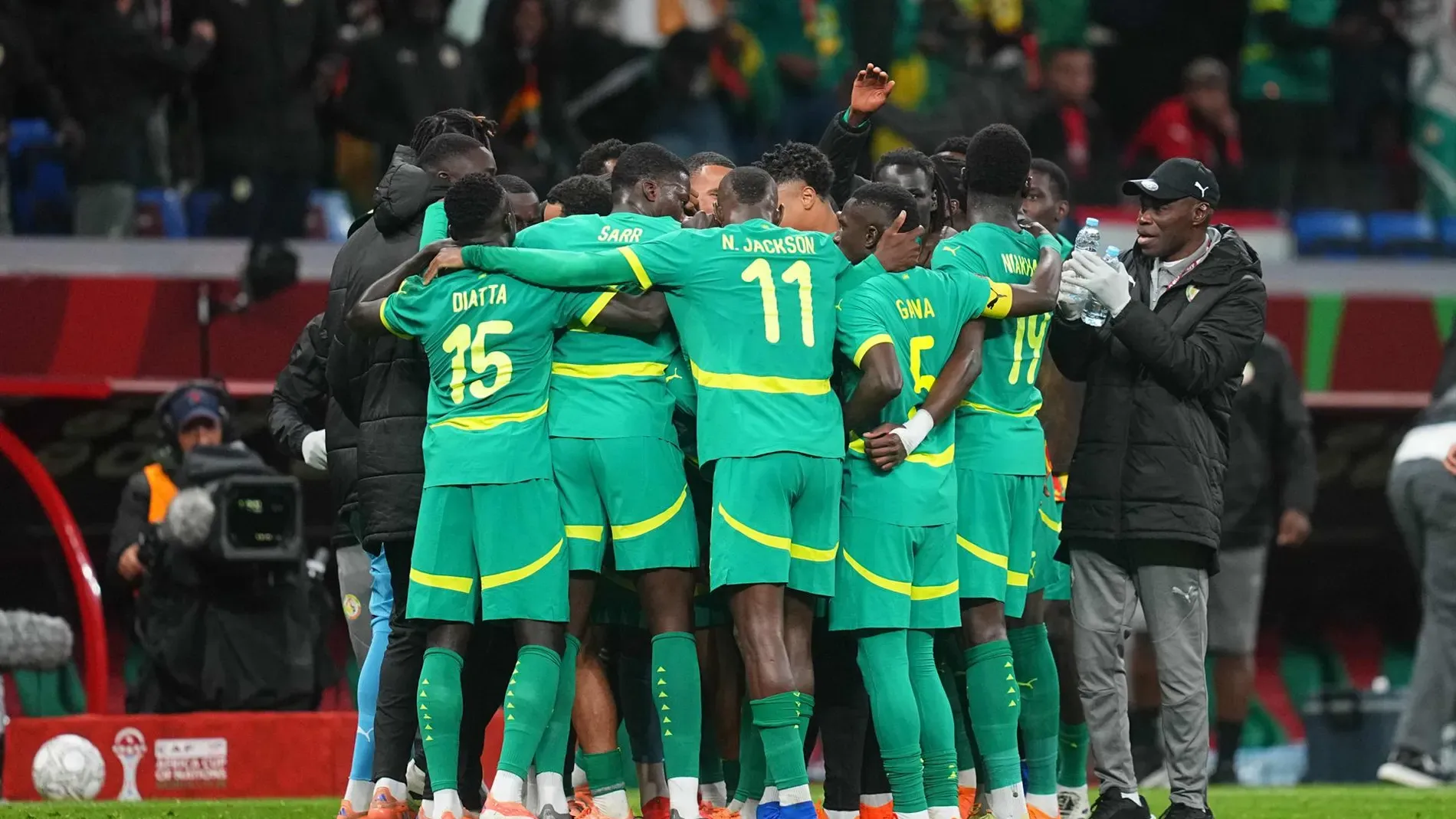
The upcoming tournament will feature an unprecedented representation of Africa, with ten national teams proudly showcasing their flags on the global stage. These teams include Algeria, Cape Verde, Ivory Coast, Egypt, Ghana, Morocco, the Democratic Republic of Congo, Senegal, South Africa, and Tunisia. Each of these nations will not only bring their unique anthems and colors but will also carry the collective hopes and dreams of a continent, making their presence felt in the grandest arena of football.
However, the significance of this historic representation goes far beyond the numbers. It lies in the profound emotions it will stir and the shared experiences it will ignite among people. Increasingly, footballers born outside of Africa are choosing to don the jerseys of their ancestral lands, reflecting a deeper connection that transcends geographical boundaries. For many, a football jersey symbolizes much more than just colors; it embodies cherished memories, deep-rooted affections, and the enduring feeling of belonging to a lineage that crosses generations.
Morocco, in particular, has set a precedent during the Qatar World Cup, not only by winning matches but also by inspiring hope and unity among millions of Africans. For several weeks, every victory felt like a personal triumph for the African community, transforming football into a shared experience that resonated from one end of the continent to the other. As the tournament approaches, it is essential to recognize that when the whistle blows and the ball starts rolling, Africa will not merely be participating in the competition; it will be witnessing its children reclaiming their rightful place on the global stage.
In those moments, the scoreboard may become secondary, as millions will see reflections of themselves in the players taking to the field, uniting them in a collective dream. For countless households across Africa, the World Cup will begin long before the first match, instilling a sense of pride and anticipation that resonates deeply within the hearts of its people.
As reported by larazon.es.