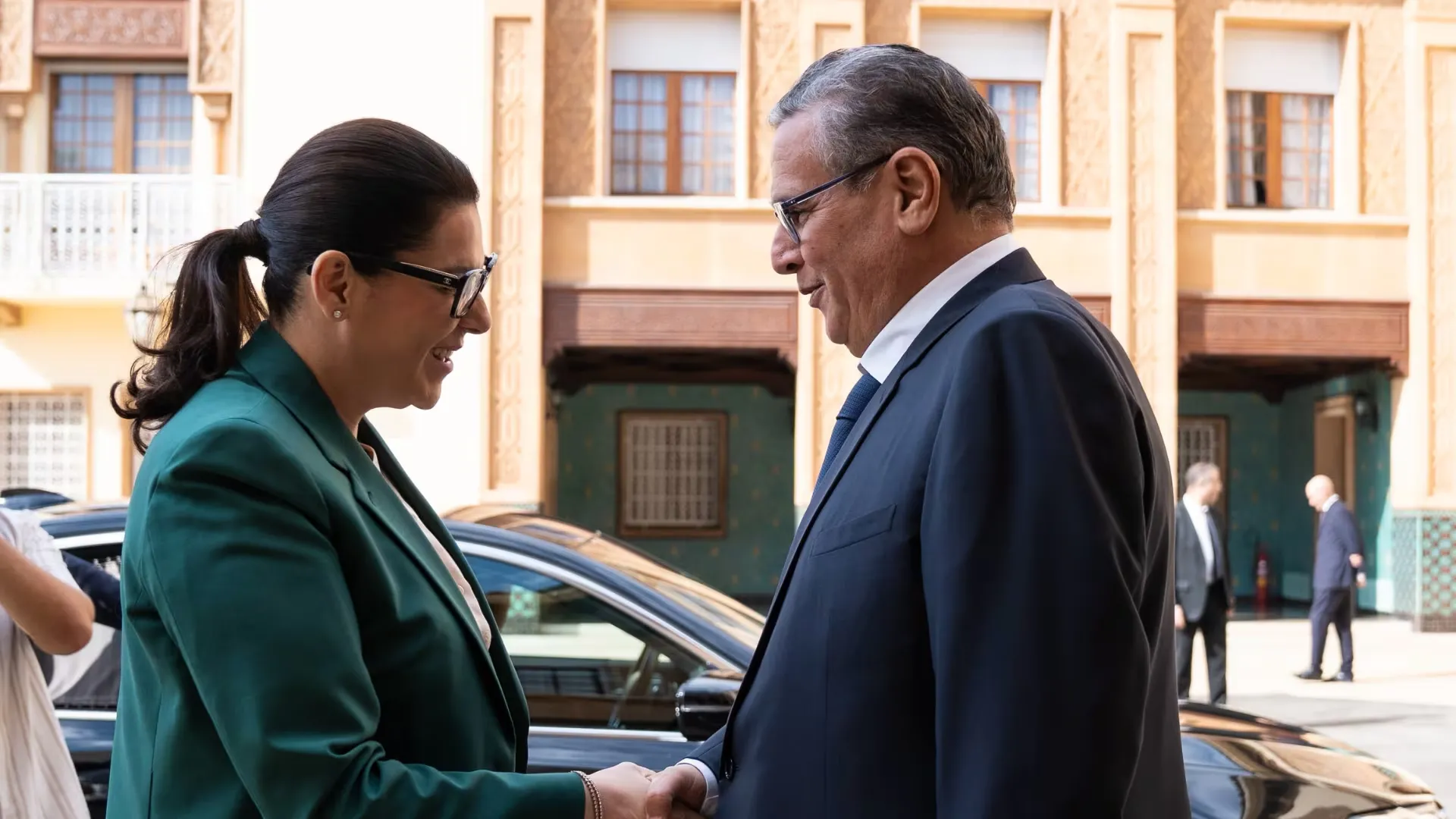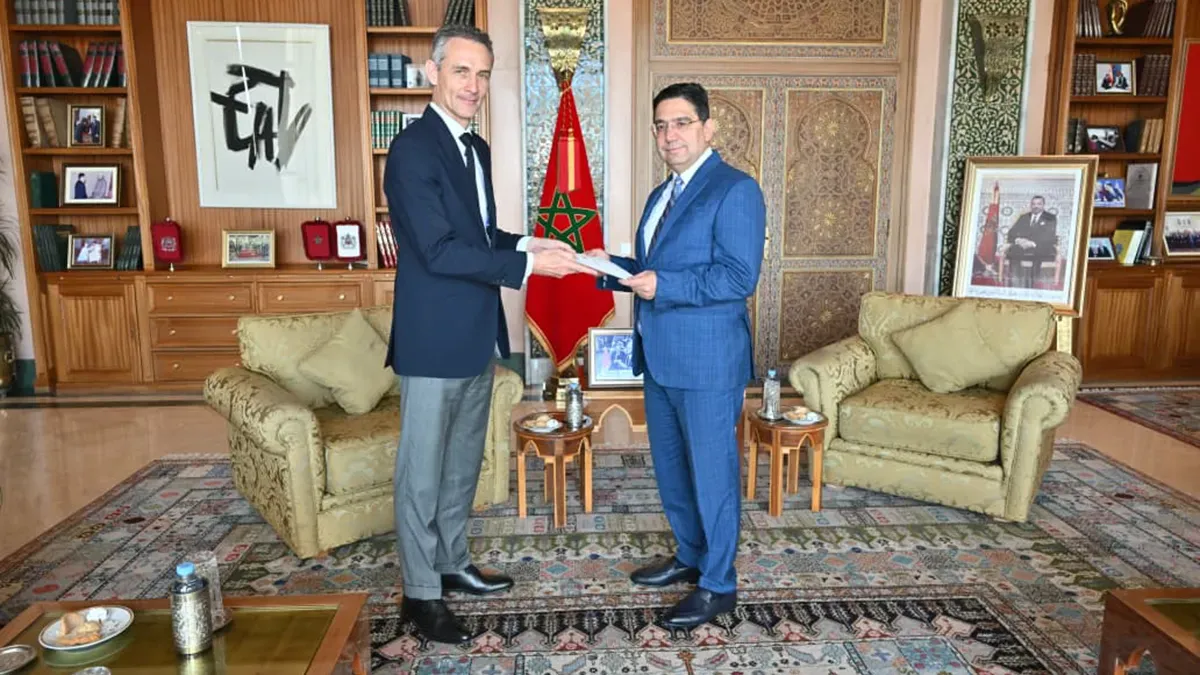
The recent appointment of Philippe Lalliot as the new French ambassador to Morocco marks a significant turning point in the diplomatic relations between Paris and Rabat. Officially taking office in mid-May, Lalliot delivered the certified copies of his credentials to Moroccan Foreign Minister Nasser Bourita, a procedural step that signals the commencement of an ambitious bilateral roadmap. This roadmap aims not only to put an end to a prolonged cycle of disagreements and distrust but also to redefine the balance of power within the Mediterranean and African contexts.
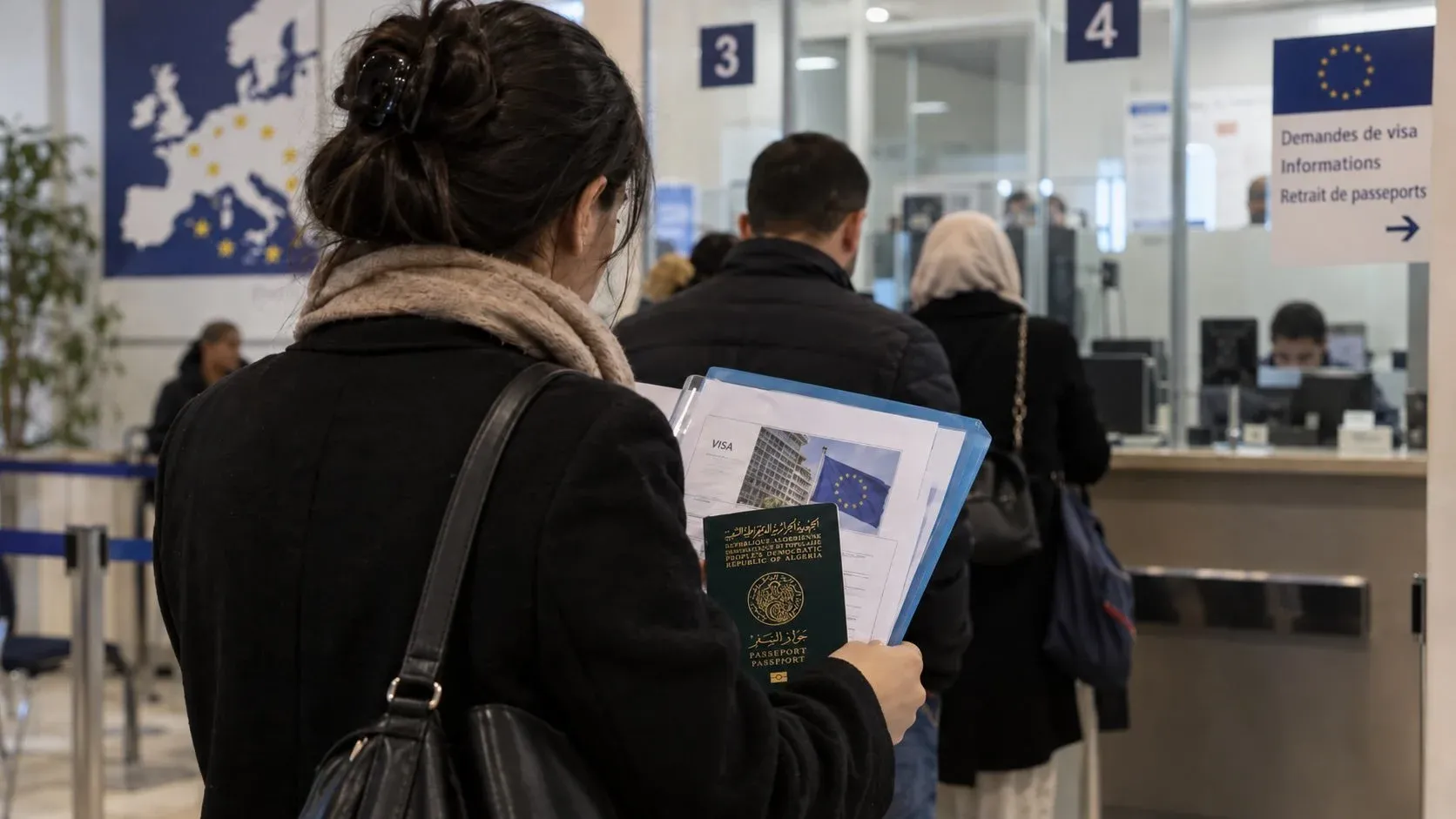
His predecessor, Christophe Lecourtier, navigated through a particularly tumultuous phase of these relations, which reached a nadir when France drastically reduced visa grants for Moroccan citizens. This action, compounded by France's perceived lukewarm stance on issues important to Morocco, effectively froze diplomatic dialogue and led to an absence of official visits and diminishing French influence in Morocco's foreign agenda. The historical camaraderie that once characterized the relationship had devolved into distant gestures.
The Sahara Factor and the Strategic Shift in Relations
A pivotal shift in this relationship became apparent throughout 2024 when discreet diplomatic efforts culminated in a historic realignment by French President Emmanuel Macron. In an official letter to King Mohammed VI, Macron aligned France's stance with Moroccan positions by endorsing the Moroccan autonomy plan for Western Sahara, recognizing it as the only solid foundation for resolving the regional conflict. This decision represented a major geopolitical victory for Morocco, not only reflecting the support of a traditional ally but also leveraging the strategic positioning of a nation with a permanent seat on the UN Security Council and significant influence within the European Union. This gesture was substantial enough to redefine the balance of power in the region.
Following this announcement, diplomatic paralysis gave way to a vigorous revival of the bilateral agenda, characterized by ministerial meetings, joint business missions, and the unblocking of economic projects previously stalled due to the crisis. The apex of this process was Macron's state visit to Morocco, which effectively sealed the end of the estrangement. In this new context, Macron emphasized the need to adapt their shared ties to the evolving realities of Africa and the Mediterranean while Bourita articulated the new understanding based on mutual trust and shared strategic interests.
However, this new agreement also suggests a strictly pragmatic interpretation. Despite the tensions with Paris, Morocco did not halt its foreign policy; instead, it diversified its support by strengthening key alliances with the United States, Gulf monarchies, and various African governments, significantly enhancing its international maneuverability. The Élysée understood that maintaining the course with Rabat would come at a political and economic cost that was increasingly difficult to justify.
Investments, Infrastructure, and a Vision for 2030
As Lalliot embarks on his ambassadorial duties, he does so in a favorable climate but with a demanding agenda ahead. The economic dimension will be prioritized, as French companies lead foreign investments within Morocco's entrepreneurial framework, maintaining control in key sectors including automotive, railway development, banking, energy transition, and major public works. Furthermore, Morocco is strategically positioned as a gateway for French companies seeking to expand into sub-Saharan African markets.
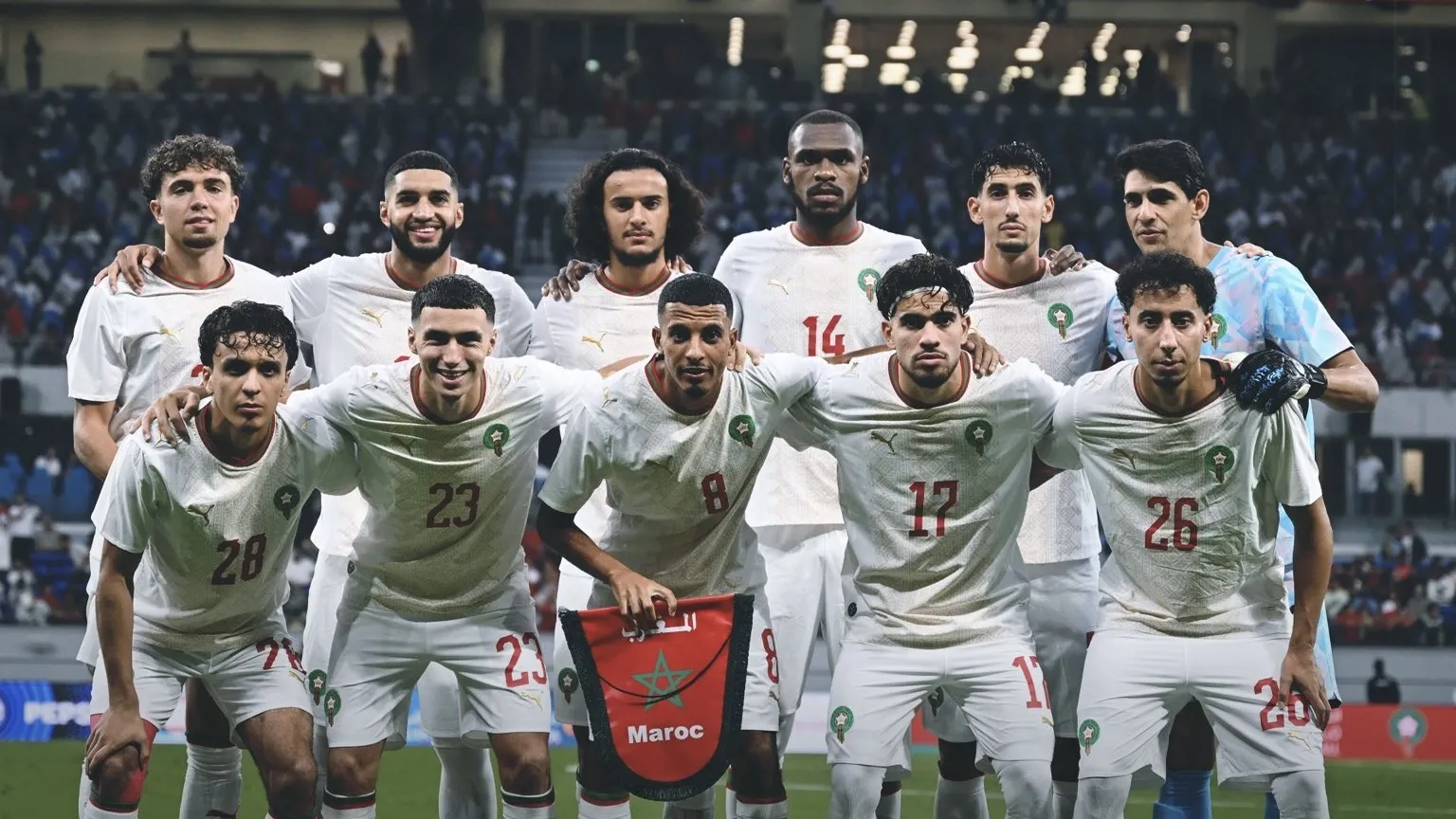
Lecourtier’s departure did not signify a break with Morocco; rather, his subsequent appointment to head the French Development Agency (AFD) in Morocco underscores Paris's commitment to the economic aspect of this recalibration. The AFD plays a central financial role as Morocco accelerates its public investment and infrastructure plans in preparation for the 2030 FIFA World Cup, a mega-project shared with Spain and Portugal that is particularly attractive to French companies and consultancies.
The Challenges of a New Bilateral Architecture
While institutional normality has returned to diplomatic circles, behind the protocols lies a deeper redefinition of power balances. France seeks to reshape its presence in Africa after experiencing significant setbacks in its traditional spheres of influence, while Morocco consolidates an ambitious foreign policy rooted in its Atlantic and Mediterranean outreach. Cooperation in regional security, migration control, stability in the Sahel region, and trade exchanges will continue to shape the daily agenda of both nations. These areas exhibit a clear convergence of interests but are not without potential frictions.
The true test for Lalliot's management will not be merely to maintain the current understanding but to assess the durability of the alliance when inevitable strategic divergences arise. Past crises between Paris and Rabat have shown that mere commerce is insufficient to prevent ruptures; such breaks occur when one party feels the other has ceased to understand or respect its fundamental priorities.
As reported by atalayar.com.