
Abdelwahab Doukkali: A Legacy of Musical Excellence
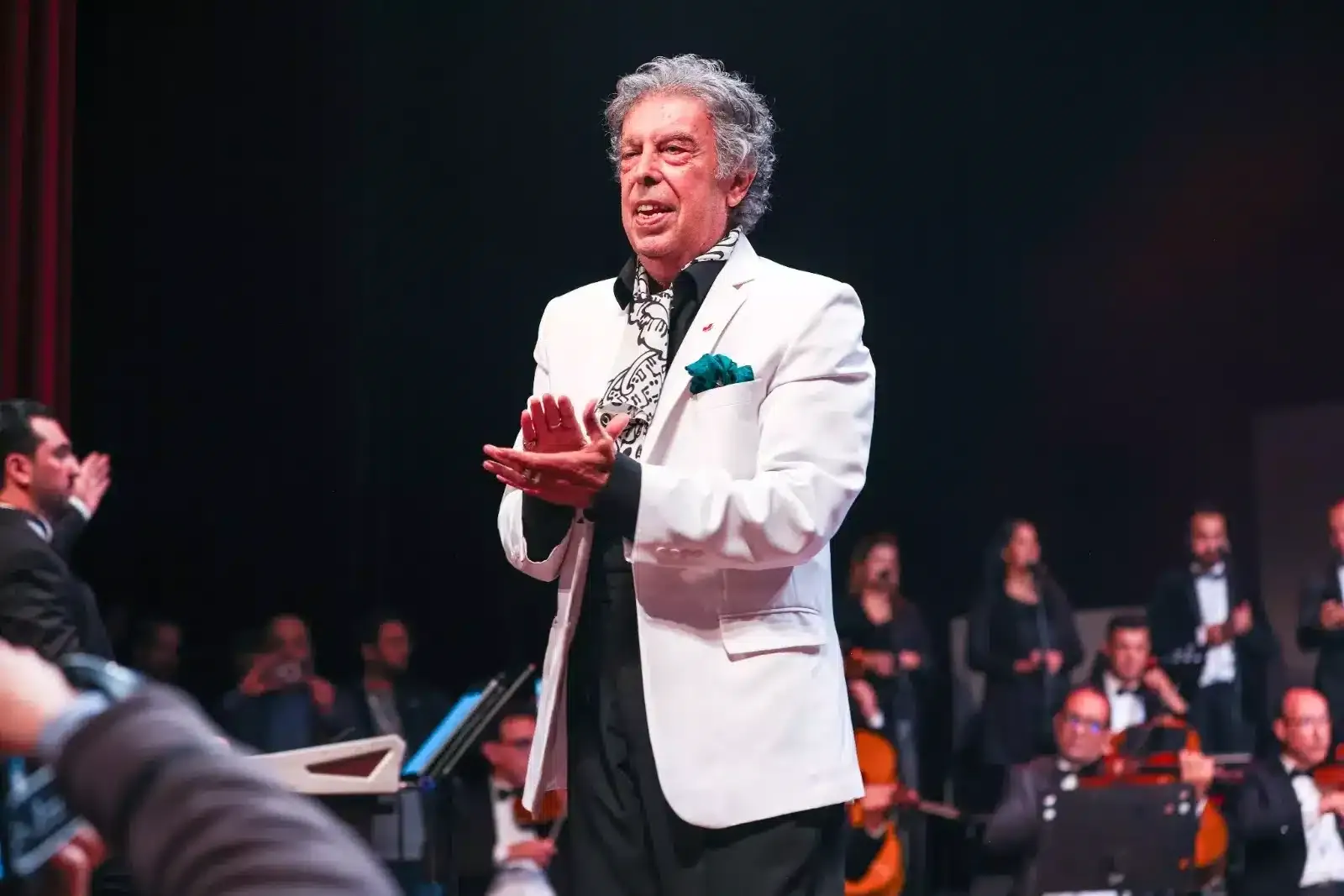
On May 8, 2026, the world lost one of its most illustrious voices as Abdelwahab Doukkali, a legend in Moroccan music and a prominent figure in the Arab cultural landscape, passed away in Casablanca at the age of 85. His remarkable journey through life and music reads like a compelling narrative, rich with passion and creativity. Known for his deep, warm voice that resonated with tenderness and emotion, Doukkali's music transcended generations, capturing the hearts of those who listened to classics such as _Marsoul el Hob_. The news of his passing leaves a profound void not only in Morocco but throughout the Arab world, where his songs marked the soundtracks of countless lives.
From Fez to the Pinnacle of Musical Fame
Abdelwahab Doukkali was born on January 2, 1941, into a large and conservative family in Fez, Morocco. Despite the strict upbringing under his father's watchful eye, which emphasized silence as a virtue, Doukkali's vibrant spirit could not be contained. He found solace and expression through drawing, singing, and acting in the lively streets of the medina, where he was influenced by the sounds of the city that echoed through the night. By the age of 18, he had made his way to Rabat, where he began working at Moroccan Radio and Television (RTM). Although he faced challenges in conforming to the bureaucratic environment, his passion for music shone through, caught the attention of Mahdi Elmandjra, the director of RTM, who encouraged him to pursue his musical ambitions.
Doukkali's career took a significant turn when he moved to Casablanca, where his unique style and charismatic presence began to turn heads. His bold performances, characterized by a dynamic interaction with his audience and a departure from traditional stage decorum, set him apart from his contemporaries. This new wave of Moroccan music, which he helped to pioneer, was infused with his personal experiences and emotions, creating a connection that resonated deeply with fans. Songs like _Ya lghadi ftomobil_ marked the beginning of his rise to fame, leading to a series of hits that solidified his status as a cultural icon.
In 1962, Doukkali relocated to Cairo, immersing himself in the vibrant music scene that was the epicenter of Arab culture at the time. His years in Egypt were marked by significant artistic growth, as he absorbed diverse influences and honed his craft, ultimately returning to Morocco with renewed confidence and a repertoire of timeless melodies. His return was met with adoration, heralding the dawn of a golden era in his career, during which he released masterpieces like _Kan ya makan_ and _Ma Ana Illa Bachar_, the latter of which has been covered by numerous artists, further attesting to his lasting impact.
Throughout his life, Doukkali was not just a singer; he was a multifaceted artist who composed film soundtracks and engaged in painting, showcasing his works in his personal museum in Casablanca. His contributions to the arts earned him numerous accolades, including recognition from the Vatican and various prestigious awards that celebrated his legacy. As he entered his later years, Doukkali became more reclusive, but his influence remained palpable, as he continued to inspire new generations of artists and music lovers.
Abdelwahab Doukkali's voice may have fallen silent, but his legacy will undoubtedly live on in the hearts of those who cherished his music. He was a true messenger of love and emotion, and his journey from the streets of Fez to the heights of musical acclaim serves as an enduring testament to the power of art in bridging cultural divides and uniting souls. The world has lost a great artist, but his songs will forever echo through time, reminding us of the beauty he brought into our lives.
As reported by medias24.com.