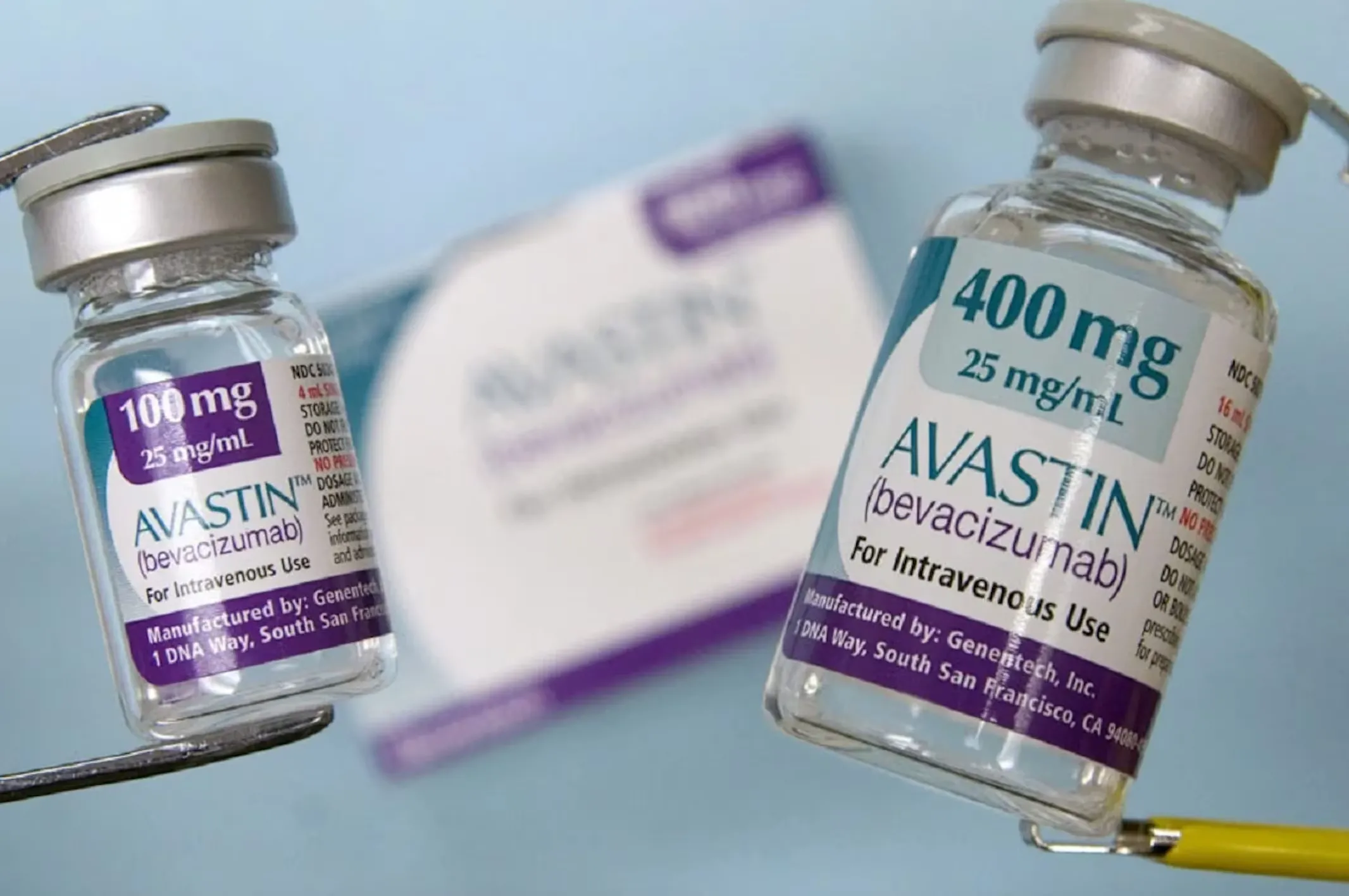

Increasing Prevalence of Retinal Diseases in Morocco
Retinal diseases are on the rise in Morocco, affecting an increasing number of patients across the nation. Conditions such as age-related macular degeneration (AMD), diabetic macular edema, retinal vein occlusions, and severe myopia are among the most common ailments contributing to vision impairment. These disorders have emerged as significant public health challenges, primarily driven by the aging population and the rising prevalence of diabetes. They rank as leading causes of vision loss and can lead to blindness in advanced stages, necessitating urgent attention and action from healthcare authorities.
In the realm of treatment, ophthalmologists frequently utilize intravitreal injections of anti-VEGF (vascular endothelial growth factor) medications. These treatments, administered directly into the eye, aim to inhibit a biological mechanism that leads to the formation of abnormal blood vessels in the retina. Such fragile vessels are often responsible for leaks, hemorrhages, and progressive deterioration of vision. Anti-VEGF therapies have become the international standard of care, significantly altering the prognosis for these diseases by stabilizing vision and, in some cases, even improving it.
Despite their proven effectiveness, the high cost of these treatments presents a formidable barrier. Various anti-VEGF drugs, such as ranibizumab, hold marketing authorization in ophthalmology; however, their price remains steep, often ranging between 7,000 and 9,000 dirhams per injection in Morocco. The therapeutic protocol typically requires multiple injections annually, sometimes spanning several years, which escalates the total financial burden for patients and their families. This substantial economic strain frequently results in treatment interruptions, jeopardizing therapeutic effectiveness and heightening the risk of irreversible vision loss, particularly among the most vulnerable patients.
As reported by fr.le360.ma.
The Case for Bevacizumab: A Viable Alternative
The National Syndicate of Liberal Ophthalmologists of Morocco (SNOLM) has raised concerns regarding the reimbursement of these significant medical expenses by social insurance organizations. Surprisingly, even though these medications are authorized for use, they are not covered by health insurance in Morocco. During a press conference held in Casablanca, SNOLM specialists emphasized that effective therapeutic solutions for retinal diseases exist, capable of preserving vision and preventing progression to blindness, provided patients can maintain uninterrupted treatment.
However, the high cost of current therapies poses a major obstacle to continuous care. In light of this, the syndicate advocates for the establishment of a clear regulatory framework for the use of bevacizumab in ophthalmology, highlighting its considerable affordability—around 300 dirhams per injection as opposed to the 7,000 dirhams associated with anti-VEGF therapies.
Bevacizumab has been utilized in Morocco for over a decade and has proven itself in clinical practice as a significant therapeutic alternative due to its substantially lower cost. The specialists argue that the real issue lies in equitable access to treatment: "The problem is no longer about the absence of treatment, but rather its availability and accessibility." They stress that bevacizumab is a long-established molecule, widely used in various medical fields, yet its marketing authorization is strictly limited to oncological indications, particularly for certain cancers.
Consequently, its use in ophthalmology falls under the category of "off-label" usage, meaning it is not officially sanctioned for this specific application, despite its widespread use in numerous countries globally. This situation creates regulatory uncertainty for practitioners who have relied on this treatment for years. The medical community seeks a clear, secure, and recognized framework from health authorities to ensure that they can practice safely and effectively.
In conclusion, the SNOLM believes that bevacizumab represents a significant opportunity for Morocco's healthcare system, as its lower cost could greatly expand access to treatments, alleviate financial pressure on households and health insurance organizations, and ultimately ensure better continuity of care for patients suffering from chronic retinal diseases. The syndicate urges health authorities to intervene and establish a clear, precise, and official framework governing the use of this treatment in ophthalmology, which would not only secure medical practice but also clarify the responsibilities of healthcare professionals, ensuring all patients have equitable access to effective, safe, and affordable care against diseases that could lead to irreversible vision loss.