
A Groundbreaking Stadium in Morocco
A monumental project in Africa is on track to redefine the boundaries of sporting architecture with the construction of the world's largest stadium, an ambitious undertaking that has already commenced and aims to become the focal point of the 2030 World Cup. With a capacity that surpasses all previous records, this infrastructure not only seeks to break benchmarks but also aspires to establish itself as a symbol of innovation, urban development, and global spectacle.
The Grand Stadium Hassan II
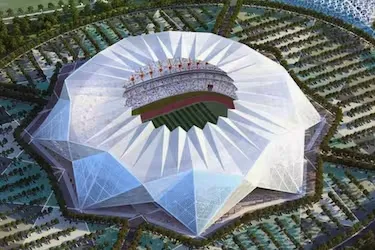
Located near Casablanca, Morocco, the new stadium, named the Grand Stadium Hassan II, is projected to accommodate an astounding 115,000 spectators, making it the largest football venue on the planet once completed. This ambitious endeavor is part of Morocco's strategic plan to take center stage during the historically significant World Cup 2030, which will be hosted across multiple continents. In this context, the stadium is positioned as a leading candidate to host pivotal matches of the tournament.
However, it is not just the sheer size that impresses. The architectural design merges cutting-edge technology with local cultural elements, drawing inspiration from traditional Moroccan tents, which will provide a unique identity on the global football map. The record-breaking stadium will not merely serve as a sports field; the project encompasses a comprehensive development initiative aimed at transforming the surrounding area into a vibrant urban hub active throughout the year, capable of hosting sporting events, concerts, and international shows.
Furthermore, the stadium will incorporate advanced systems for lighting, sound, and connectivity, designed to deliver an immersive experience on a grand scale, in line with the standards of the most significant global events. While Morocco leads the charge with this impressive project, it is not the only nation vying for the record. In Asia, Vietnam is progressing with an even more ambitious stadium plan, projected to host 135,000 spectators, which could surpass Morocco's capacity if completed as envisioned.
As reported by cronista.com.