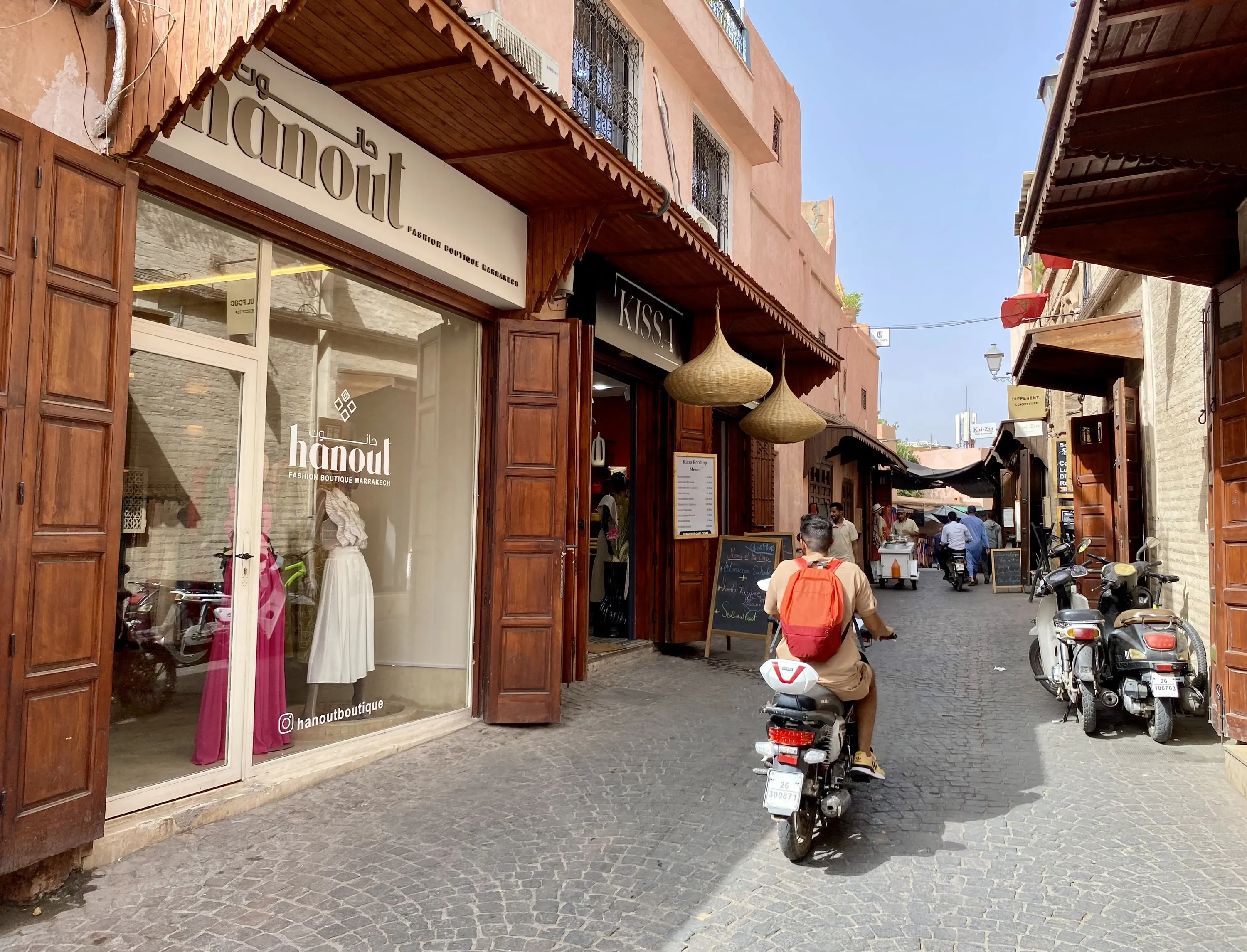

Africa's tourism landscape is experiencing a remarkable transformation, transitioning from its traditional image dominated by safaris to a more urban-centric model that highlights the continent's vibrant cities. Cities such as Cape Town, Nairobi, and Lagos are stepping into the spotlight as major players in this evolution, attracting significant investments aimed at enhancing infrastructure, transport networks, and mixed-use developments. This shift is not only reflective of an increasingly affluent middle class eager to explore their own continent but also positions Africa as a multifaceted tourism destination, offering a rich tapestry of experiences that extend beyond the iconic wildlife encounters for which the continent is famous. As these urban hubs redefine the travel experience, they are turning into crucial destinations for both leisure and business travel, reshaping perceptions of what African tourism entails.
The Shift Towards Urban Tourism
For many years, safari experiences in East and Southern Africa captured the imagination of global travelers, drawing visitors to experience the continent's breathtaking wildlife and landscapes. However, the rise of urban tourism has shifted this focus, with cities like Cape Town leading the charge. The city’s vibrant restaurant scene, cultural attractions, and diverse tourism offerings have made it a focal point for development. Urban tourism in Cape Town is flourishing, characterized by an array of shopping districts, luxury hotels, and state-of-the-art conference venues, all supported by government initiatives aimed at fostering a thriving urban economy. The city now competes with major global cities for international conferences and exhibitions, drawing in both business travelers and leisure visitors. According to the South African Tourism Board, the tourism infrastructure in Cape Town is set to evolve further to meet the growing demand for business events and exhibitions, solidifying its reputation as a premier destination.
Nairobi has also emerged as a vibrant hub, blending its role as a gateway to safaris with an expanding urban tourism sector. The city has rapidly become a conference and business tourism center, hosting an increasing number of global events thanks to its modern hotels and enhanced airport facilities. Initiatives such as the Nairobi Railway City project are improving transport links, making the city more accessible for both domestic and international travelers. With projections from the Kenya Tourism Board indicating a substantial increase in tourism as more international airlines expand their routes, Nairobi is set to strengthen its position as a regional powerhouse in the tourism sector.
Emerging Destinations: Lagos and Accra
Lagos, Nigeria's largest city, is experiencing a surge in recognition as a vital business tourism hub, driven by its burgeoning tech sector and growing global economic significance. The city's infrastructure, including newly developed hotels, shopping centers, and a modernized Murtala Muhammed International Airport, is catering to an influx of international visitors. The Nigerian government's commitment to enhancing transport infrastructure and expanding air routes is further bolstering Lagos's appeal as a cosmopolitan destination for both business and leisure travelers. Meanwhile, Accra in Ghana is witnessing significant investment in mixed-use developments, supported by government efforts to promote the city as a dual-purpose destination for tourists and business professionals. Upgrades to Kotoka International Airport are also enhancing its attractiveness as a regional travel hub.
One of the fundamental drivers of this transformation in African tourism is the rapid improvement of transport infrastructure. Major airports in Nairobi, Cape Town, and Lagos have undergone substantial upgrades, increasing their capacity and connectivity to key international markets. Regional air routes are becoming more accessible, facilitating travel between major cities and promoting both domestic and intra-regional tourism. Additionally, the development of high-speed rail networks, such as the link between Nairobi and Mombasa, is enhancing connectivity between key tourism regions, enabling tourists to explore beyond urban centers.
As Africa's tourism sector evolves, the growth of the middle class is a pivotal factor influencing domestic and regional travel. With rising income levels, more Africans are exploring their own continent, particularly in East, West, and Southern Africa. This trend is leading to increased demand for domestic tourism, as local travelers venture to both their home cities and neighboring countries. Governments are responding by improving tourism infrastructure and services to meet this growing demand.
Despite the optimistic outlook, Africa's tourism sector faces challenges such as security concerns, inconsistent visa policies, and political instability in certain regions, which can deter international tourists. However, these challenges also present opportunities for growth, with governments and the private sector collaborating to enhance safety measures, streamline visa processes, and develop the mid-market tourism infrastructure required to attract a diverse range of visitors. If effectively addressed, these issues could position Africa's tourism sector as a powerful economic driver in the future.
In conclusion, Africa's tourism revolution is just beginning, fueled by a dynamic mix of investments in urban centers, transport infrastructure, and developments catering to a growing middle class. Cities like Cape Town, Nairobi, and Lagos are redefining African tourism by offering a rich blend of cultural, business, and leisure experiences. As these cities continue to evolve, Africa is poised to emerge not only as a leader in wildlife tourism but also as a global tourism hub with immense potential for the future. This exciting transformation highlights Africa's vast tourism opportunities, promising a modern travel experience for both international and regional tourists alike.
As reported by travelandtourworld.com.