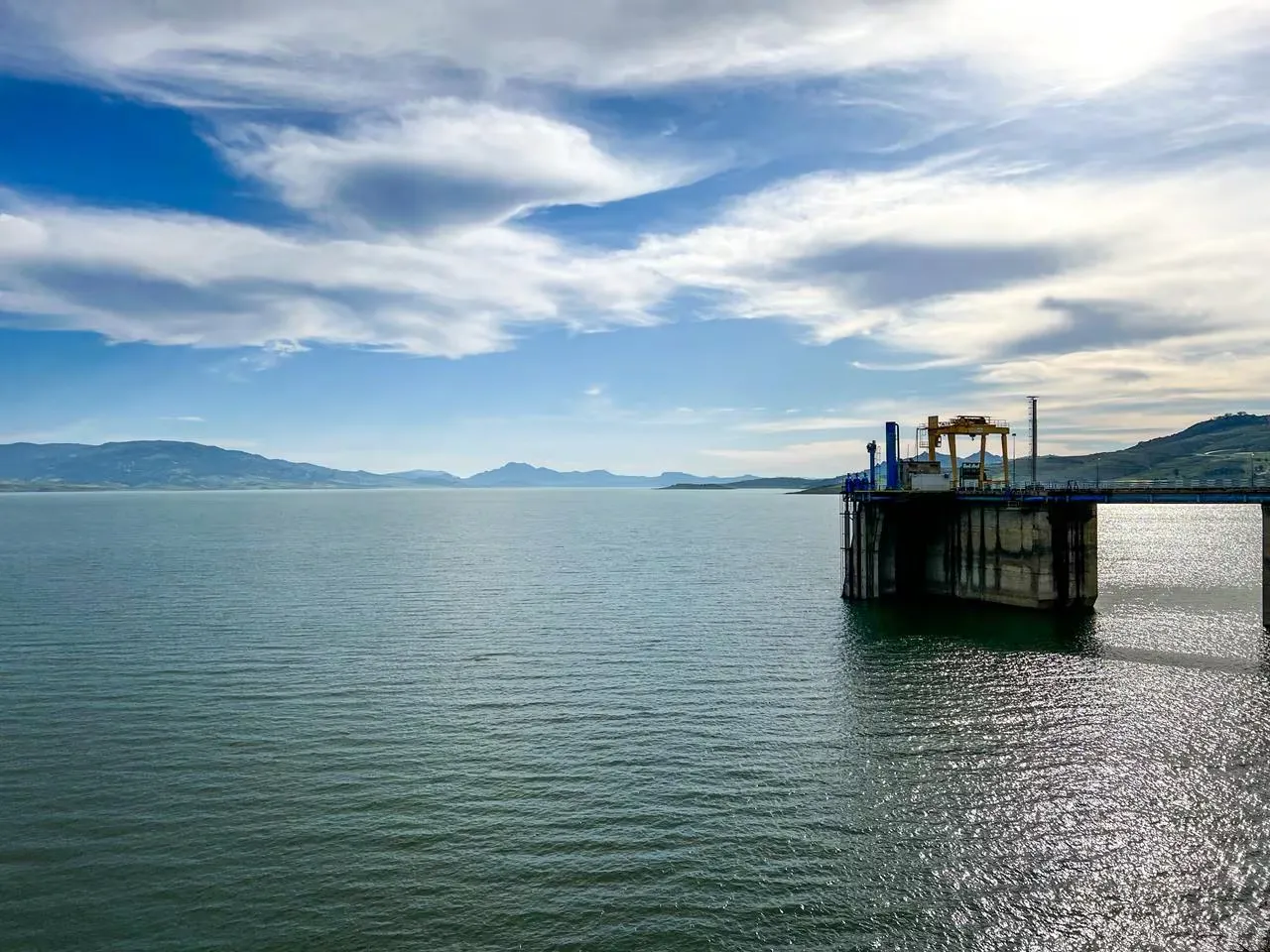

Record Water Levels at Al Wahda Dam: A Boon for Morocco's Water Security
As of May 31, 2026, the Al Wahda Dam, Morocco's largest and the third largest in Africa, has reached an impressive water storage level of 88.73%, holding over three billion cubic meters of water. This significant milestone is particularly beneficial as the country heads into the summer months, a period often marked by increased demand for water due to rising temperatures. The dam, located in the province of Ouezzane, has demonstrated its strategic importance in ensuring a stable water supply for both local populations and agricultural needs.
The recent surge in water levels is credited to substantial rainfall over the past three months, particularly from the Oued Ouargha river, and is further supported by the operational efficiency of neighboring dams such as Bouhouda, Bab Louta, and Bab Ouender. Official statistics from the Ministry of Equipment and Water highlight a remarkable improvement compared to the same period last year, where the dam's water level was only at 58.27%. This turnaround is seen as a pivotal moment for Morocco's water management strategies, particularly after experiencing a challenging hydric year in the fall of 2025, when levels fell to a concerning 42% in September.
Mustapha Tantawi, the dam's overseer, explains that the current filling rate is the result of a recovery process initiated at the start of the year. Following a period of water stress, Al Wahda dam capitalized on the winter rains, achieving a remarkable rebound that brought the water level close to 90% by the end of January. The maximum storage capacity of the dam is 3.8 billion cubic meters, positioning it as a critical asset in Morocco's strategy for water resource management amid ongoing climate challenges.
Moreover, the Al Wahda Dam plays a vital role in civil protection by acting as a barrier against flooding risks in the Gharb plain and surrounding areas. The current health and operational status of this hydraulic complex provides a reassuring outlook for the coming months, reinforcing its role as a cornerstone in the national water resource management strategy. With these advancements, Morocco is better equipped to handle the challenges posed by climate variability and ensure the sustainability of its water resources for future generations.
As reported by fr.le360.ma.