

A New Era for Amazigh Culture at the Alhambra
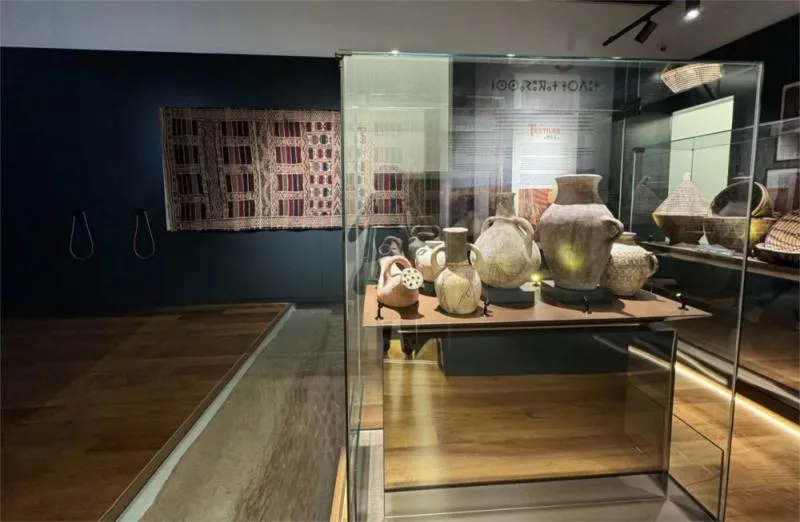
In a significant development for cultural heritage, Spain's iconic Alhambra complex in Granada has inaugurated Europe’s first exhibition space dedicated entirely to Amazigh culture, thereby opening a new chapter in its rich history. This newly established Amazigh Space, situated within the historic Carmen de los Porcel building, aims to illuminate the profound historical, cultural, and artistic connections between the Amazigh peoples of North Africa and the renowned civilization of Al-Andalus, which flourished on the Iberian Peninsula for centuries.
The inception of this project, formalized through an institutional agreement between Spanish and Moroccan partners in 2025, marks a crucial endeavor to reinterpret Granada and the Alhambra’s history through a broader Mediterranean perspective. It acknowledges the pivotal influence of Amazigh dynasties and communities in shaping the political, military, and cultural foundations of medieval Andalusia, highlighting their integral role in the region's historical narrative.
A Tribute to Heritage and Vision
The inauguration ceremony was graced by notable figures from both Morocco and Spain, including royal adviser Andre Azoulay, Morocco’s ambassador to Spain Karima Benyaich, and Andalusia’s regional culture minister Patricia del Pozo Fernandez, alongside representatives from the Dr. Leila Mezian Foundation, which has been instrumental in bringing this initiative to life. The museum stands as a tribute to the late Leila Mezian Benjelloun, whose lifelong dedication to preserving and promoting Amazigh heritage inspired the project. In her speech, her daughter Dounia Benjelloun expressed that the opening of this space fulfills her mother’s vision of placing Amazigh culture at the heart of the Alhambra, a site celebrated as a symbol of intercultural dialogue.
The exhibition itself delves into the historical ties that link Granada to its Amazigh past, emphasizing that the city was established in 1013 by the Amazigh Zirid dynasty and subsequently influenced by the Almoravids, Almohads, and Marinids, whose legacies are woven into the fabric of both North African and Iberian history. Spanning an impressive 250 square meters, with 200 square meters dedicated to a permanent exhibition, the museum houses nearly 200 artifacts that vividly showcase the lasting influence of Amazigh civilization on Al-Andalus.
Visitors to the museum will encounter a rich collection of ritual jewelry, traditional textiles, carpets, ceramics, ceremonial weapons, and handcrafted items amassed over more than five decades by Dr. Mezian Benjelloun. This collection is further enhanced by a donation of Amazigh jewelry from former Spanish ambassador to Morocco Jorge Dezcallar, along with pieces from the Alhambra’s own archives. Beyond the physical artifacts, the museum integrates audiovisual installations, historical maps, and interactive displays, guiding visitors through the origins of the Amazigh peoples, their language, identity, and historical territories.
A notable section of the exhibition focuses on the evolution of the ancient Tifinagh alphabet and contemporary efforts to preserve and revitalize the Tamazight language. Additional galleries explore the significant role Amazigh communities have played in fostering a shared political and cultural space that connects the Maghreb and the Iberian Peninsula. To further immerse visitors, seventeen documentary films present insights into Amazigh architecture, music, traditions, and ceremonies that continue to influence cultural life across North Africa today.
Officials envision the Amazigh Space as more than just a venue for exhibitions; it aims to serve as a center for research, education, and cultural outreach, fostering a deeper understanding of Amazigh heritage and its diverse contemporary expressions. Patricia del Pozo lauded the project as “the only Amazigh space in Europe,” emphasizing that it symbolizes the historical, cultural, and human connections linking the Mediterranean's two shores. For Granada, this initiative provides an opportunity to highlight a facet of its past that has often been overshadowed, despite its significant impact on the city’s identity. For Morocco, it acknowledges the crucial contributions of the Amazigh people to one of the Mediterranean's most celebrated historical narratives.
By centering Amazigh heritage within the Alhambra experience, the new museum invites visitors to reflect on the intertwined histories of Granada, Andalusia, and Morocco, paving the way for a rediscovery of the cultural currents that have shaped one of the world’s most remarkable civilizations.
As reported by thearabweekly.com.
