
Controversy Surrounding Dog Killings in Morocco
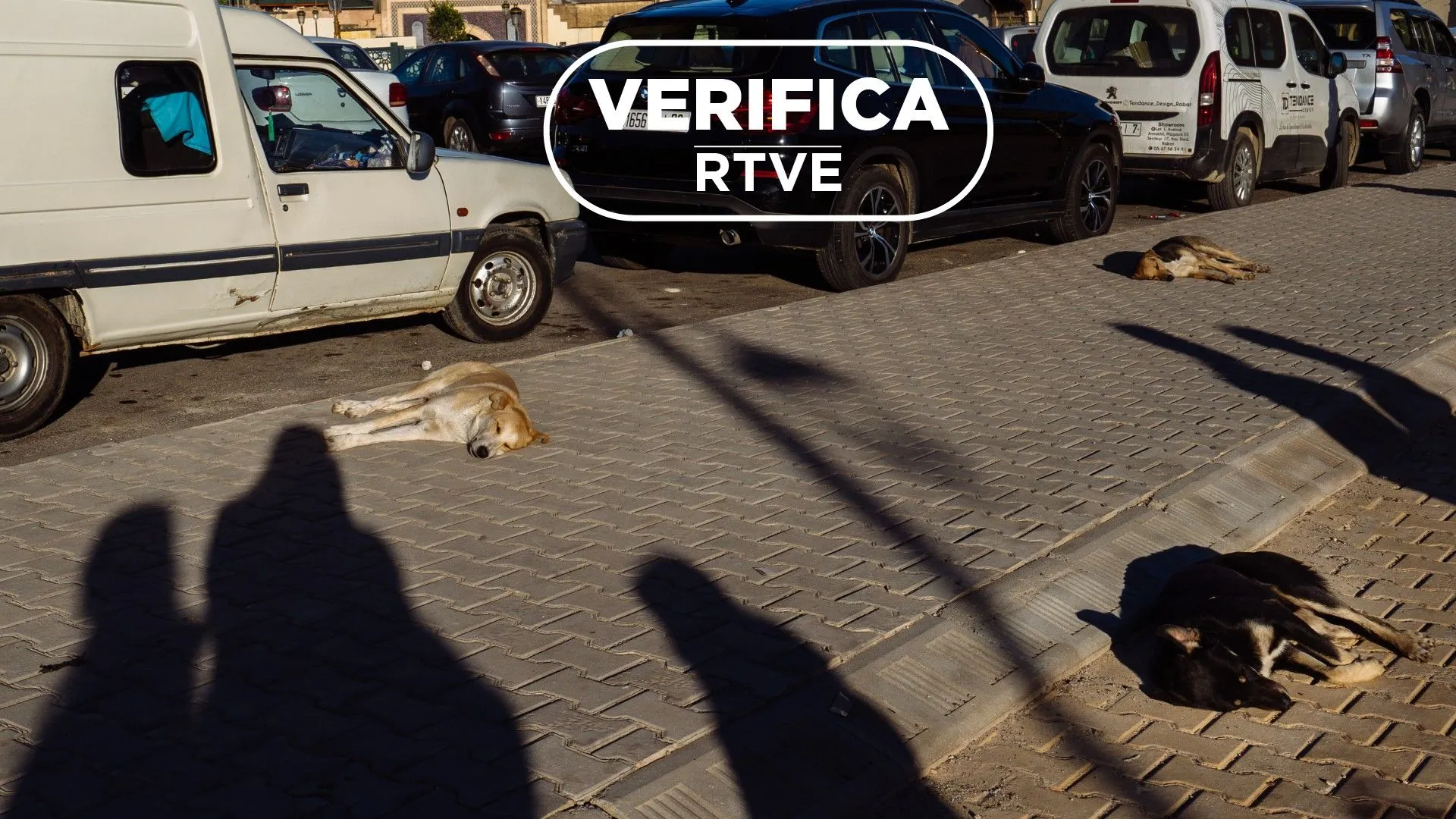
Social media has been rife with alarming claims that Moroccan authorities are engaging in the indiscriminate killing of street dogs, a situation purportedly linked to the upcoming 2030 FIFA World Cup, which Morocco will co-host alongside Spain and Portugal. Numerous media outlets and animal rights organizations have reported instances of abuse or executions of stray animals. However, the Moroccan authorities have strongly denied these allegations, asserting that they are in the process of drafting legislation that prohibits such actions. In this article, we will dissect the information provided by official sources and highlight the misinformation that has proliferated regarding this sensitive issue.
Statistics and Claims from Animal Welfare Organizations
The International Coalition for Animal Welfare and Protection (IAWPC) has raised alarm bells, claiming that approximately 300,000 stray dogs are killed annually in Morocco. They allege that these killings are carried out by individuals associated with the government and have intensified since FIFA announced in October 2023 that Morocco would be a co-host of the 2030 World Cup. Other organizations, including Spain's PACMA and the American PETA, have echoed similar concerns, with a PETA activist famously interrupting a match between Wydad Casablanca and Manchester City in June 2025, holding a sign that read, "Morocco, end the massacre of street dogs."
According to IAWPC, they possess recent reports detailing mass executions of dogs in Morocco and have provided audiovisual documents showcasing animal mistreatment in the vicinity of six stadiums that hosted the last Africa Cup of Nations, which took place between December 21, 2025, and January 18, 2026. These recordings were reportedly captured from October 27 to the day before the final. However, RTVE has not independently verified these images or confirmed whether such instances of animal cruelty have occurred recently.
Morocco hosted Africa Cup matches across six cities, which are also slated to host the World Cup in four years: Rabat, Casablanca, Tangier, Agadir, Marrakech, and Fez. Prominent international media outlets, including The Athletic, CNN, and Euronews, have documented reports of stray dog executions in cities like Marrakech through ground reports and witness statements. IAWPC previously highlighted animal abuse in the Oujda region on their social media back in November 2024, linking it to the qualification matches for the Africa Cup that Morocco played in that time frame.
According to a report published by the World Health Organization (WHO), Morocco is home to over three million dogs, a significant overpopulation attributed to an abundance of food, posing a "serious threat to public health." Traditionally, Morocco has addressed this issue through elimination; however, current strategies involve improving slaughterhouses, securing public landfills, and vaccinating animals.
Moroccan authorities categorically reject all accusations that imply any decision authorizing animal mistreatment, particularly regarding stray dogs. They emphasize their commitment to effective, sustainable, and ethical management of the complex issue surrounding stray dogs, which encompasses both public and animal health. In statements made to RTVE, the head of Public Health and Green Spaces from Morocco's Ministry of Interior acknowledged in May 2025, "We have a problem: stray dogs. Therefore, we need to address it while respecting the animals."
In 2025, the WHO recommended a new political approach to managing stray dogs in Morocco, emphasizing the need for improved vaccination efforts, reducing animal density, and lowering the incidence of rabies and hydatidosis. They advised against the euthanasia of dogs due to its high cost and negligible positive impact on rabies incidence, advocating instead for the TNVR method (trap, neuter, vaccinate, and return). The Moroccan government reported implementing this method in 2019, with municipal agents capturing stray dogs, vaccinating them, sterilizing, and identifying them before returning them to their habitat. They noted that the acceleration of this system began in 2023, with the establishment of adequate facilities for the housing of collected animals, such as the inter-municipal shelter in Rabat.
However, IAWPC claims there is no evidence that Morocco is actively applying this system, citing numerous materials on social media that describe shelters as places where dogs are taken but never seen again. They also cannot verify how much funding the Moroccan government has allocated to the TNVR system due to a lack of access to official data.
In August 2025, the Moroccan government presented a draft animal protection law to parliament, proposing fines between 5,000 to 20,000 dirhams (approximately 460 to 1,840 euros) and prison sentences of two to six months for those who "kill, torture, or intentionally harm a stray animal." However, the law also permits euthanasia if animals suffer from incurable diseases or pose a danger to public health or safety. Articles within the draft law authorize local authorities, in "exceptional circumstances," to intervene against the threat posed by stray animals if they threaten public order and security, with a requirement to notify the relevant community of any measures taken.
The Moroccan government defends the euthanasia provision as a "last resort" and asserts that the law guarantees "adequate care for stray animals" and "optimal living conditions for animals in shelters." Animal rights organizations criticize that the law, as proposed by the government, would effectively criminalize the act of harboring or caring for a dog at home, or feeding dogs and cats on the streets, as outlined in Article 5.
Both FIFA and IAWPC have communicated to RTVE that they are in contact through "a panel of international experts" providing input for the animal protection law project, which has already been sent to Moroccan authorities. A FIFA spokesperson stated that Morocco reaffirmed its commitment to animal rights protection and highlighted that government resources are being allocated to expand clinics and support programs for stray dogs. This commitment is documented in the evaluation report concerning the 2030 World Cup bid presented by FIFA in November 2024, as a prerequisite for ratifying the selection.
FIFA emphasizes its ongoing monitoring alongside local counterparts to ensure that these commitments are fulfilled. They have reached out to the Moroccan Football Federation to inform them about the issue. Morocco reports that various measures have been implemented over the past five years and that a new law is being drafted to address the current situation with a balanced approach that meets the needs of public health, safety, and animal welfare.
While authentic images of dog killings have circulated, misleading photographs not taken in Morocco have also spread. One post shared over 5,000 times since February 17 claims, "The world remains silent in the face of the horrific massacre of dogs in Morocco," and features an image of a man pointing a gun at a dog, which is actually a photograph from 2008. A reverse image search confirms this photo has been circulating since 2008, initially reported by various media outlets attributing it to an Iraqi police officer shooting a stray dog in Baghdad on November 23, 2008, amid a campaign by Iraqi authorities to cull stray animals.
As reported by rtve.es.