In October 2016, Antwerp witnessed a wedding that shocked the nation and laid bare the underbelly of drug trafficking in Belgium. The bride and groom, hailing from a prominent Belgian-Moroccan family, celebrated in Borgerhout, a neighborhood notorious for its association with crime. This was no ordinary wedding; it was a spectacle filled with ostentation, where the groom was affiliated with the notorious "Turtle Clan," a group of cocaine smugglers whose rise to power was both swift and alarming. As they paraded through the streets in flashy sports cars, adorned with extravagant jewelry, their display of wealth went viral on social media. The event prompted outrage among the local population, particularly in Flanders, where authorities had been aware of the Turtle Clan's evolution from small-time dealers to major players in the drug trade. A prosecutor's sardonic remark, highlighting the transformation of local drug dealers into significant traffickers, encapsulated the community's dismay. Subsequently, political figures began calling for investigations into money laundering and cocaine smuggling, with journalists dubbing Borgerhout the "capital of cocaine." This incident serves as a pivotal moment in understanding Belgium's current drug crisis.
A decade after that infamous wedding, the landscape of drug trafficking in Europe has dramatically shifted, with the continent now eclipsing the United States as the world's largest cocaine market. A diverse array of traffickers, ranging from traditional Dutch criminals to Moroccan clans like those from Borgerhout, now coexist with Italian mobsters and well-organized Balkan gangs, all enticed by the lucrative opportunities in Antwerp and its bustling port. Belgium, alongside the Netherlands—home to Rotterdam, another significant harbor—has become a battleground for the escalating violence and corruption that accompanies such rampant gangsterism.
In a striking revelation last October, an anonymous federal judge from Antwerp, after spending four months in hiding due to threats against her life, released an open letter that sent shockwaves through the nation. She warned of the pervasive influence of mafia structures within Belgium, claiming that they have grown to challenge not only law enforcement but the judiciary itself. Her assertion that bribery has infiltrated institutions raised alarms, leading her to suggest that Belgium could be on the brink of becoming a "narco-state," a sentiment echoed by another judge just weeks ago. Such dire warnings necessitate a thorough investigation into how drug trafficking organizations have embedded themselves so deeply within Belgian society.
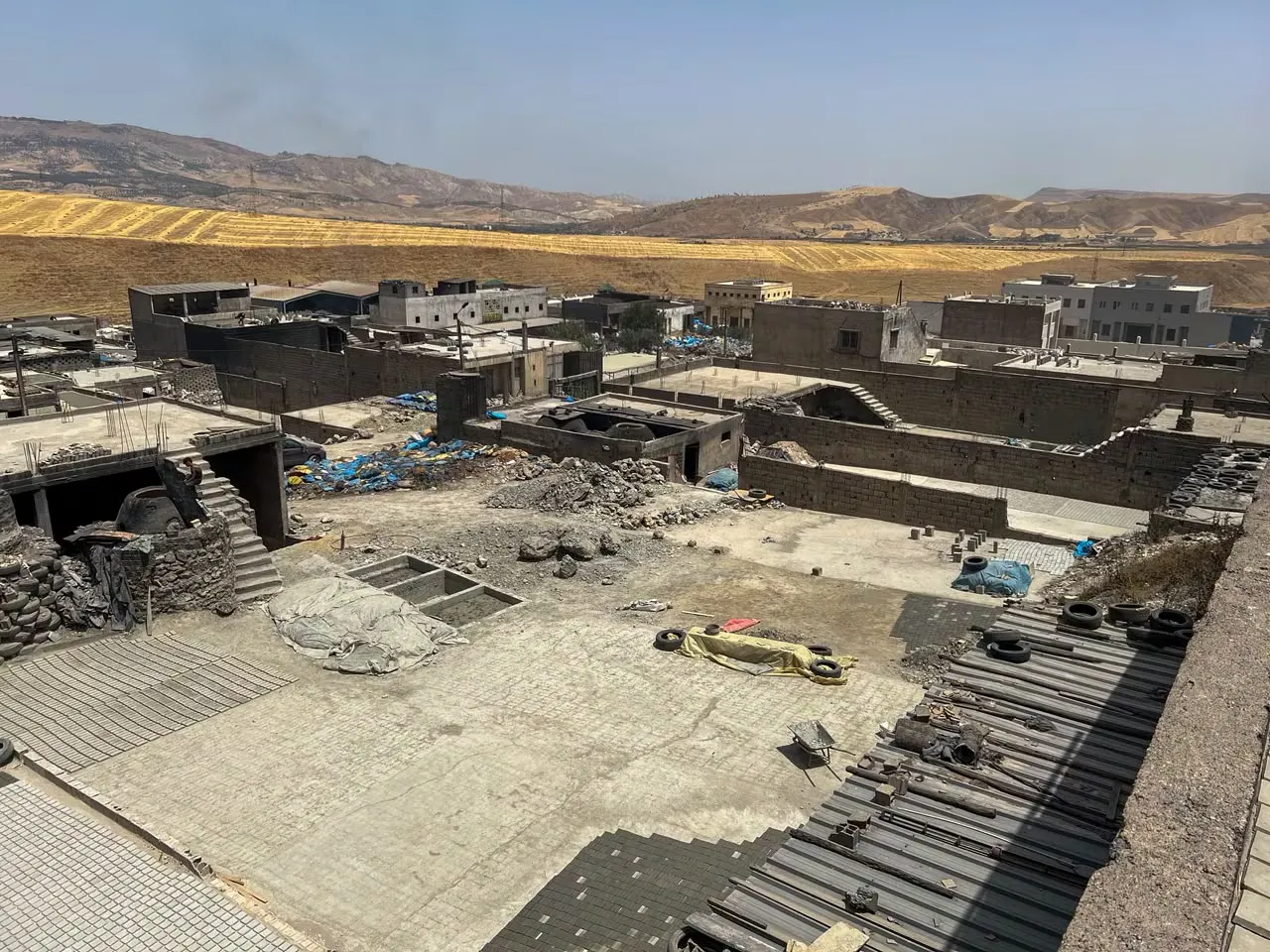
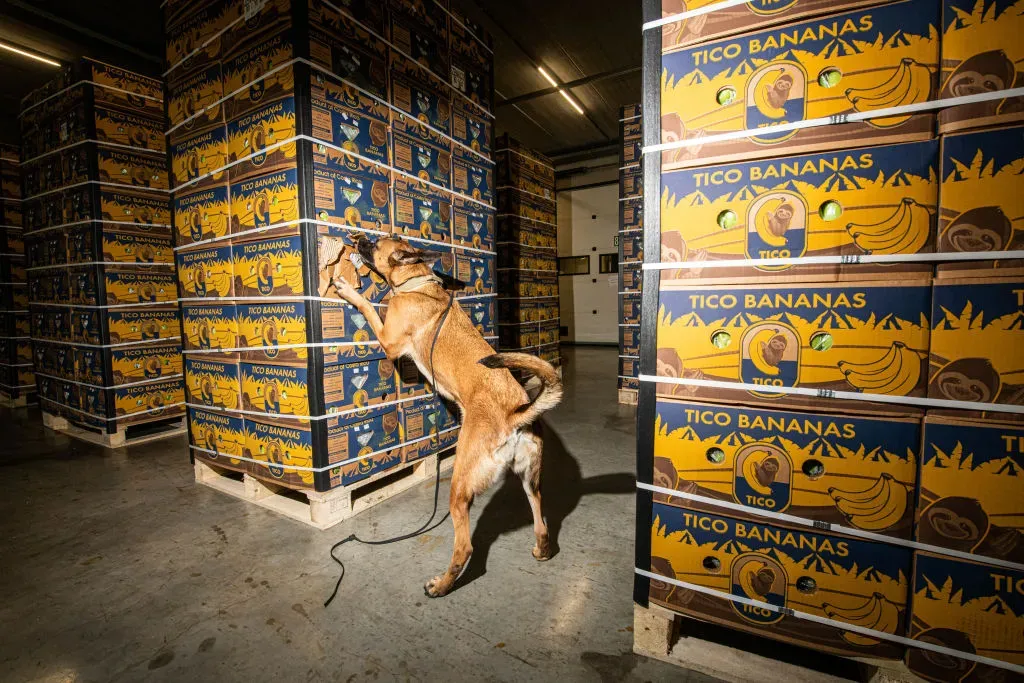
Despite the ongoing turmoil, Borgerhout today is often described as a vibrant neighborhood, recently named the coolest in Europe by Time Out for its eclectic mix of shops and cafes. However, the roots of its current reputation lie in its history as a hub for Moroccan clans, who have been involved in smuggling since their arrival in Belgium as guest workers in the 1960s. These groups, adept at transporting Moroccan hashish, have transitioned into the booming cocaine trade, exploiting Antwerp's strategic position as one of Europe's largest shipping centers, which receives over half of the continent's maritime goods. The sheer scale of the port, with its extensive quays and minimal inspection of incoming containers, has made it an ideal gateway for narcotics.
The transformation of these Moroccan families into dominant players in the European cocaine market has been swift. In just a few generations, they have evolved from rural hash farmers to key figures in a billion-dollar industry, orchestrating transnational operations that stretch from South America to Dubai. This evolution has not only attracted violence but has also led to a surge in corruption within Belgian society. In Brussels, the country's capital, several murders linked to the cocaine trade have occurred, and the alarming trend of violence connected to the drug trade has spread beyond Belgium, impacting neighboring countries like the Netherlands and Spain. The brutal reality is underscored by tragic incidents, such as the death of an 11-year-old boy during a botched hit, highlighting the far-reaching consequences of the drug trade.
As cocaine continues to flow into Belgium, corrupt practices among port officials facilitate the smuggling process. Some drug-laden containers pass through unchecked, while young extractor crews—often teenagers—quickly remove the drugs, navigating them past stringent border controls. Once the cocaine crosses into the Schengen Zone, it can be easily distributed across multiple European cities, with the potential for a single metric tonne to generate street values soaring to €100 million. The smuggling operations are not just limited to those in Belgium; foreign distributors often travel to Belgium to procure cocaine from local traffickers, further complicating the landscape.
Amid this chaos, the authorities are grappling with the enormity of the challenge. The former police detective's candid observation that Antwerp is overwhelmed by the scale of cocaine trafficking sheds light on the struggle faced by local law enforcement. With billions of euros in revenue at stake, the cartels operating in Europe are not contending with a unified response from the EU; rather, they are up against the resources of one city. Belgium's fragmented political landscape complicates matters further, with regional governments often reluctant to cooperate in combating the drug crisis.
While some experts argue that Belgium is indeed on the path to becoming a narco-state, others remain skeptical. The distinction lies in whether the government has lost its monopoly on violence to drug gangs, a situation not yet observed in Belgium. Belgian crime journalist Joris van der Aa notes that while threats against officials are serious, the level of violence in Belgium pales in comparison to that seen in South America or even other parts of Europe. The desire for profit seems to outweigh the need for territorial control among local gangs, leading to a reluctance to engage in violent confrontations.
In contrast, neighboring Amsterdam grapples with a more entrenched version of organized crime, with a history of violent reprisals against journalists and law enforcement. The Dutch government has recognized the severity of the situation, investing significant resources into anti-smuggling initiatives and crackdowns on criminal networks. Despite these efforts, drug traffickers continuously adapt their tactics, employing innovative methods to evade detection.
The overarching conclusion is that Europe's drug problem is far from resolved. With the rise of cocaine gangsterism posing existential threats, the need for a cohesive European response becomes increasingly urgent. Experts like Anna Sergi argue for a shift in focus from drug interdiction to targeting the criminal organizations themselves. As the global cocaine trade continues to expand, the implications for democracy and social trust in Belgium and beyond remain dire. The intersection of organized crime and globalization presents a formidable challenge, and the continent can no longer afford to ignore the rise of cocaine trafficking.
As reported by unherd.com.