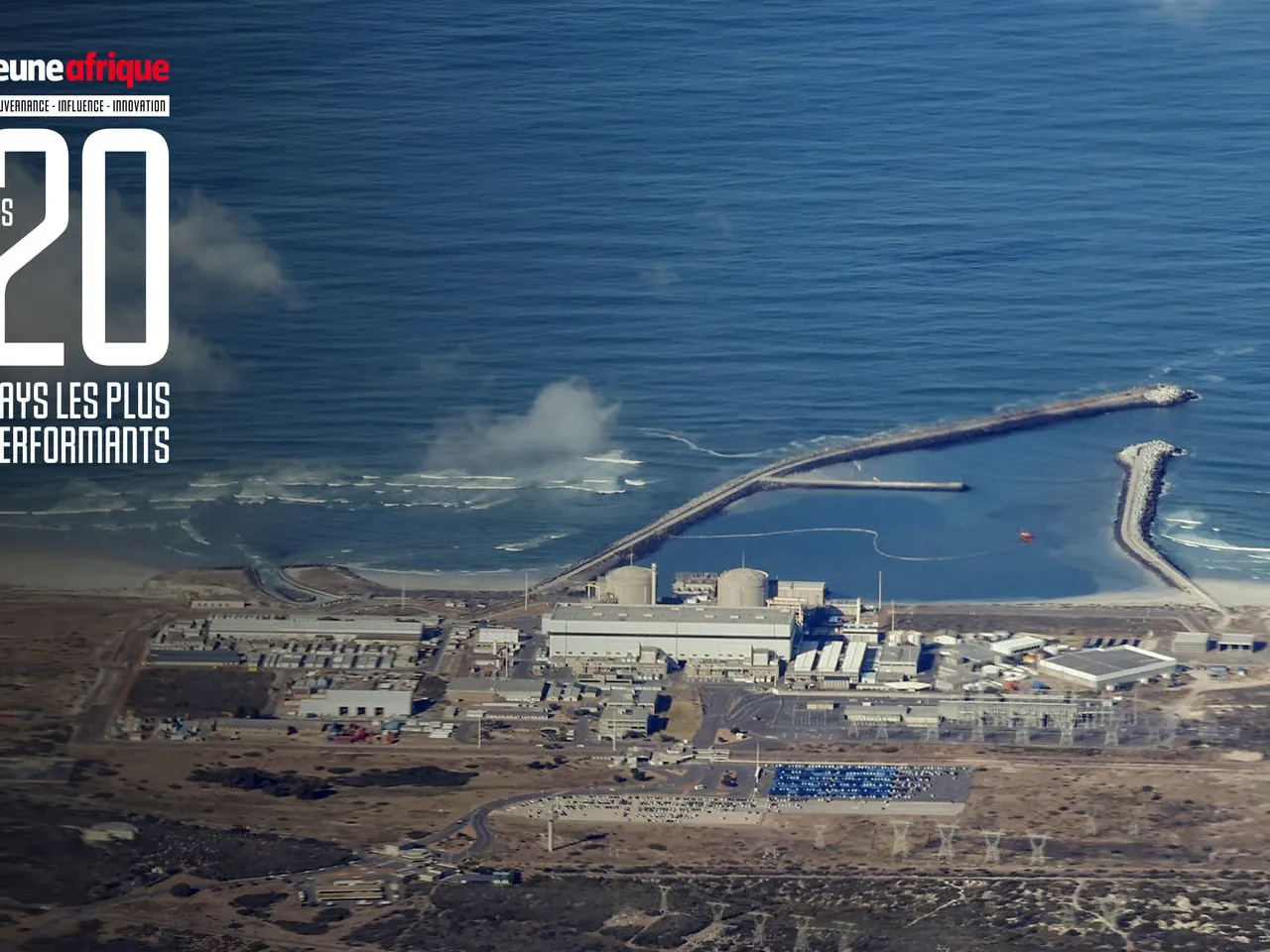

The Rise of Small Modular Reactors in Africa
As African nations grapple with the challenge of energy production and sustainability, the interest in nuclear energy has seen a resurgence, particularly with the advent of Small Modular Reactors (SMRs). These compact nuclear power plants present a viable alternative for countries unable to accommodate traditional nuclear reactors due to financial, infrastructural, or regulatory constraints. The affordability and scalability of SMRs make them an attractive option for various African countries looking to enhance their energy capacity while minimizing environmental impact.
The World Bank's Shift and Opportunities for Africa
In a notable policy shift, the World Bank has lifted its long-standing ban on financing nuclear projects, a move that could pave the way for increased investment in this sector across Africa. Following an agreement signed in June 2025 with the International Atomic Energy Agency (IAEA), the World Bank is now poised to support the safe and secure use of nuclear energy in developing nations. This evolution in policy reflects a broader acceptance of nuclear energy as a solution to energy shortages and environmental concerns, particularly in regions where fossil fuels may no longer be a sustainable option.
Countries like Côte d'Ivoire, Algeria, and Morocco are exploring the potential of SMRs to not only stabilize their energy supply but also to align with global trends towards cleaner energy sources. By investing in nuclear technology, these nations can reduce their reliance on fossil fuels, enhance energy independence, and contribute to regional energy security. However, challenges remain, including public perception of nuclear safety and the need for robust regulatory frameworks to oversee the deployment of such technologies.
As reported by jeuneafrique.com.