Canada's Support for Morocco's Autonomy Plan
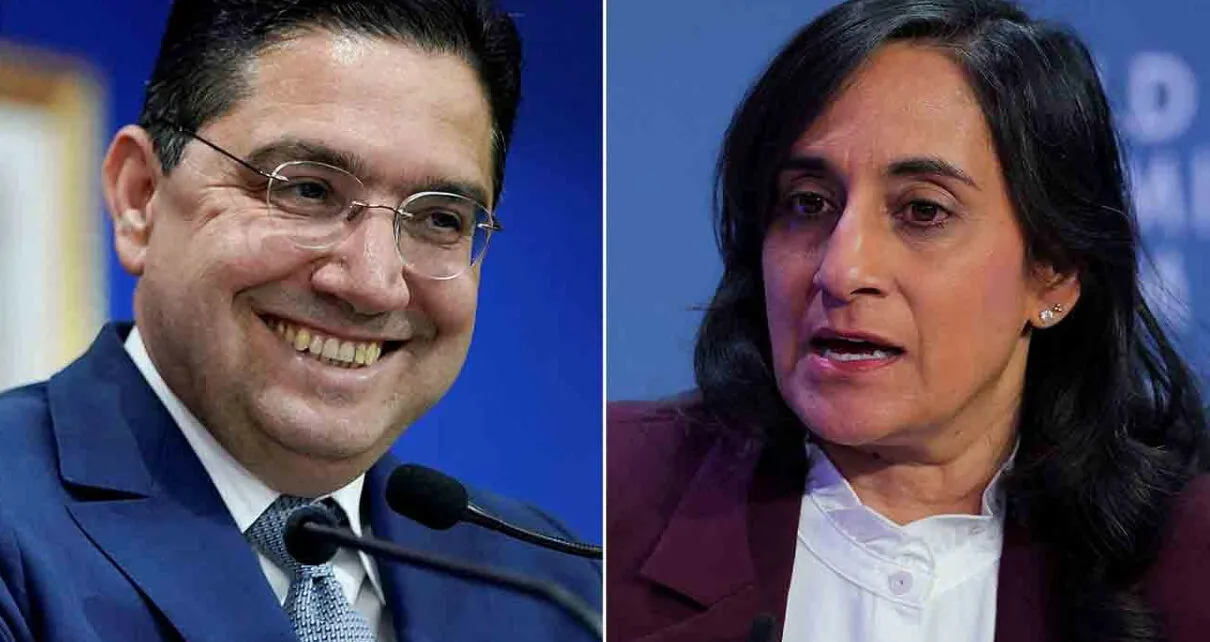
On April 28, Canada officially expressed its support for Morocco's autonomy plan regarding Western Sahara, indicating a significant shift in the diplomatic relationship between the two nations, which has recently faced challenges. This affirmation came through a statement issued by Global Affairs Canada following a phone conversation between Canadian Foreign Minister Anita Anand and her Moroccan counterpart, Nasser Bourita. The statement highlighted Canada's recognition of Morocco's proposal as a foundation for a mutually acceptable resolution to the long-standing conflict, categorizing it as a "serious and credible initiative" aimed at achieving a fair and enduring settlement.
In addition to endorsing Morocco's plan, Canada reaffirmed its commitment to United Nations Security Council Resolution 2797, which was adopted on October 31, 2025. This resolution calls for renewed efforts to resolve the Western Sahara dispute in accordance with the principles outlined in the UN Charter and other relevant resolutions. Canadian officials noted that Minister Anand reiterated her country's dedication to engaging in constructive dialogue with Morocco, expressing a genuine interest in enhancing bilateral relations. Plans for an official visit by Anand to Morocco in the near future were also mentioned, hinting at a potential strengthening of ties between the two countries.
Impact on Bilateral Relations
This recent statement marks a clearer alignment of Canada with Morocco's fundamental stance regarding the Sahara issue, following a period of ambiguity that had complicated diplomatic relations. Moroccan officials have consistently emphasized that their international partnerships are based on mutual respect for territorial integrity and non-interference, making it clear that the Sahara issue is non-negotiable in their foreign relations. The acknowledgment by Canada of the Sahara's significance to Morocco reflects the essential language needed to reset diplomatic ties, according to officials in Rabat.
The relationship between Canada and Morocco has been strained in recent months due to disagreements over political signals and concerns raised by Moroccan officials regarding activities in Canada perceived to undermine Morocco's institutions and sovereignty. However, Canada's recent endorsement brings it closer to a growing coalition of countries that view Morocco's autonomy plan as the most viable solution to the conflict, especially in light of stalled UN mediation efforts and evolving diplomatic alignments. This trend reinforces a global movement supporting Morocco's stance, with major powers like the United States, France, Spain, and the United Kingdom already endorsing the autonomy plan under Moroccan sovereignty as a resolution to the decades-long conflict.
As reported by northafricapost.com.