The Rich Tapestry of Casablanca's History
Casablanca is a city that captivates and perplexes in equal measure, possessing an indefinable charm that makes it vibrant, unique, and irresistible. This allure may stem from its rich history, which unfolds not only in its streets, squares, and buildings but also through the lives of those who inhabit it. The name Casablanca, which translates to "the white house," only hints at the city's multifaceted narrative. Mahja Nait Barka, the secretary-general of Casamémoire, emphasizes the distinction between the names Casablanca and Dar Al Beida, noting that the former is an imported term visible from the sea, while the latter encapsulates an internal history steeped in mourning, memory, and connection to the land. This duality of names reflects the city's complex identity, embodying a blend of external and internal narratives that coexist, telling different stories about how the city is experienced and perceived.
Originally known as Anfa, an active port since the 10th century, the city's transformation began when a merchant from Kairouan, Sidi Allal, built a small mausoleum for his daughter, Lalla Beida, who tragically drowned at sea. This site, referred to as the house of Beida, was later reclaimed by Sultan Sidi Mohammed Ben Abdellah in the 18th century, further intertwining the city's historical and geographical significance. As Nait Barka points out, Casablanca's identity is rooted in a rich tapestry of stories, allegiances, and imaginations, evolving from a small port town into an expansive African metropolis of over 1,650 square kilometers, far exceeding its original medina of just 45 square kilometers in 1990.
Architectural Identity and Transformation
For a long time, Casablanca was viewed through the narrow lens of a colonial creation, emerging from the Protectorate era in the early 20th century. However, experts argue that this perspective overlooks the city's ancient roots. Architect Rachid Andaloussi asserts that Casablanca boasts a history that is not only long but almost prehistoric, facilitated by a naturally sheltered coast that allowed for the development of its medina adjacent to the sea. In the 18th century, under Sultan Sidi Mohammed Ben Abdellah, the city underwent significant reconstruction and reorganization. It was in the 20th century, however, that Casablanca underwent a dramatic transformation, with the port serving as the catalyst for its development. Andaloussi describes this period as a "symbiosis," where it becomes unclear whether the port created Casablanca or vice versa. The city emerged as an industrial and commercial hub, connecting to global flows of trade, investment, and migration.
During this transformative era, Marshal Lyautey strategically utilized architecture as a tool of power, constructing essential infrastructure such as the port, postal services, courts, and banks to firmly position Morocco within the modern world. The growth of the port and communication networks solidified Casablanca's status as the economic capital of Morocco, representing a blend of European rationality and local dynamics. Karim Rouissi, an architect and urban planner, challenges the conventional notion of Casablanca as merely a "20th-century architectural laboratory," arguing that it is a place where innovative solutions were crafted for its own context, rather than simply experimenting with forms to be exported elsewhere. He describes it as a "human laboratory," shaped by the influx of diverse populations from across Morocco and beyond, which led to the formation of new urban identities.
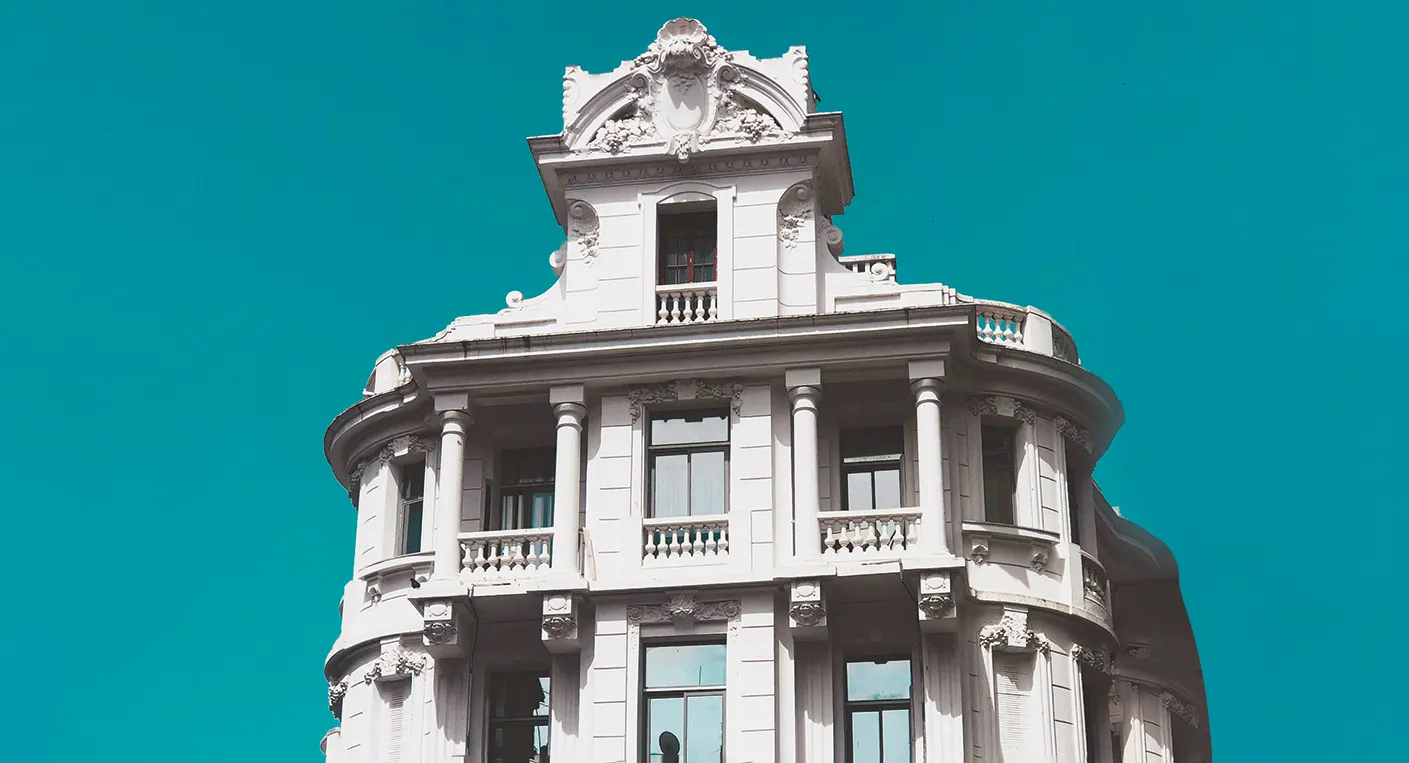
At the heart of Casablanca's architectural identity lies a remarkable plurality. It does not adhere to a singular style but rather celebrates the coexistence of various architectural languages. Mahja Nait Barka characterizes the city as an "archipelago of architecture," formed by fragments and layers, where each neighborhood, era, and building narrates a different tale. The city's architectural landscape is structured around three significant periods: the early 20th century, marked by the emergence of neo-Moorish architecture and Art Deco; the period between the 1950s and 1970s, characterized by bold modernism and brutalism; and the recent era from the 2000s onward, influenced by globalized and standardized architecture, alongside attempts to reinterpret the heritage. This layering of styles showcases a dynamic urban fabric where forms continue to interact.
Today, Casablanca continues to evolve, with neighborhoods like CFC representing a form of "generic architecture" that could gain distinctiveness through a deeper connection to its urban memory and cultural heritage.
Central to this architectural narrative is the Mohammed V Square, which Mahja Nait Barka identifies as the symbolic heart of Casablanca, where monumental architecture and the spectacle of power converge. Designed in the 1920s, it features significant buildings such as the Palace of Justice, the Grand Post Office, and the Wilaya, which coalesce into a coherent composition that skillfully merges European codes with Arab-Andalusian references. This dialogue between influences reflects the ambition of a city envisioned as a showcase of modernity, yet grounded in local language and identity.
Yet, Casablanca is not confined to grand institutional complexes; it unfolds in a variety of architectural expressions that include monuments, everyday buildings, and modernist experiments. Rouissi highlights notable edifices such as the Assayag Building and the towering Liberté Building, alongside the retro-futuristic design of the Tit-Mellil terminal, crafted by Jean François Zevaco. Rachid Andaloussi further cites iconic structures like the arenas, Villa El Mokri, and the Hassan II Mosque, all of which demonstrate the rich artisanal genius of Moroccan craftsmen.
Moreover, the city's religious buildings reflect its cosmopolitan essence, with Mahja Nait Barka inviting us to look beyond conventional narratives. She mentions the Al Qods Mosque, originally a neo-Gothic church, and the brutalist Assouna Mosque, as well as the synagogue Ettedgui nestled in the medina, all of which share a narrative of coexistence, transformation, and cultural exchange. These sites illustrate a multifaceted Casablanca, where diverse styles and usages coexist, preserving traces of the past while embracing the future.
However, Andaloussi warns of a more painful reality marked by successive demolitions that have stripped the city of part of its memory, affecting not just architecture but also the urban landscape and vegetation, thus severing a more humane connection to the city. This tension between heritage preservation and urban transformation is critical to Casablanca's future. Rouissi emphasizes that the challenge now extends beyond mere preservation to the enhancement of heritage, advocating for the development of a city where the past is integrated rather than sidelined or sacrificed. Casablanca is not merely an architectural backdrop but a living space that embodies experiences, social interactions, and the embodiment of memory and identity.
Ultimately, Casablanca's allure lies in its complexity, evading simplistic portrayals. It lacks the clear historical patrimony of an imperial city or the unity of an entirely preserved historic center. Instead, it is characterized by its vibrancy, contradictions, and ongoing search for balance between its rich heritage and future aspirations. The city continuously navigates the interplay of memory and progress, embracing its multifaceted identity.
As reported by femmesdumaroc.com.