Casablanca: A City Embedded in Football Legacy
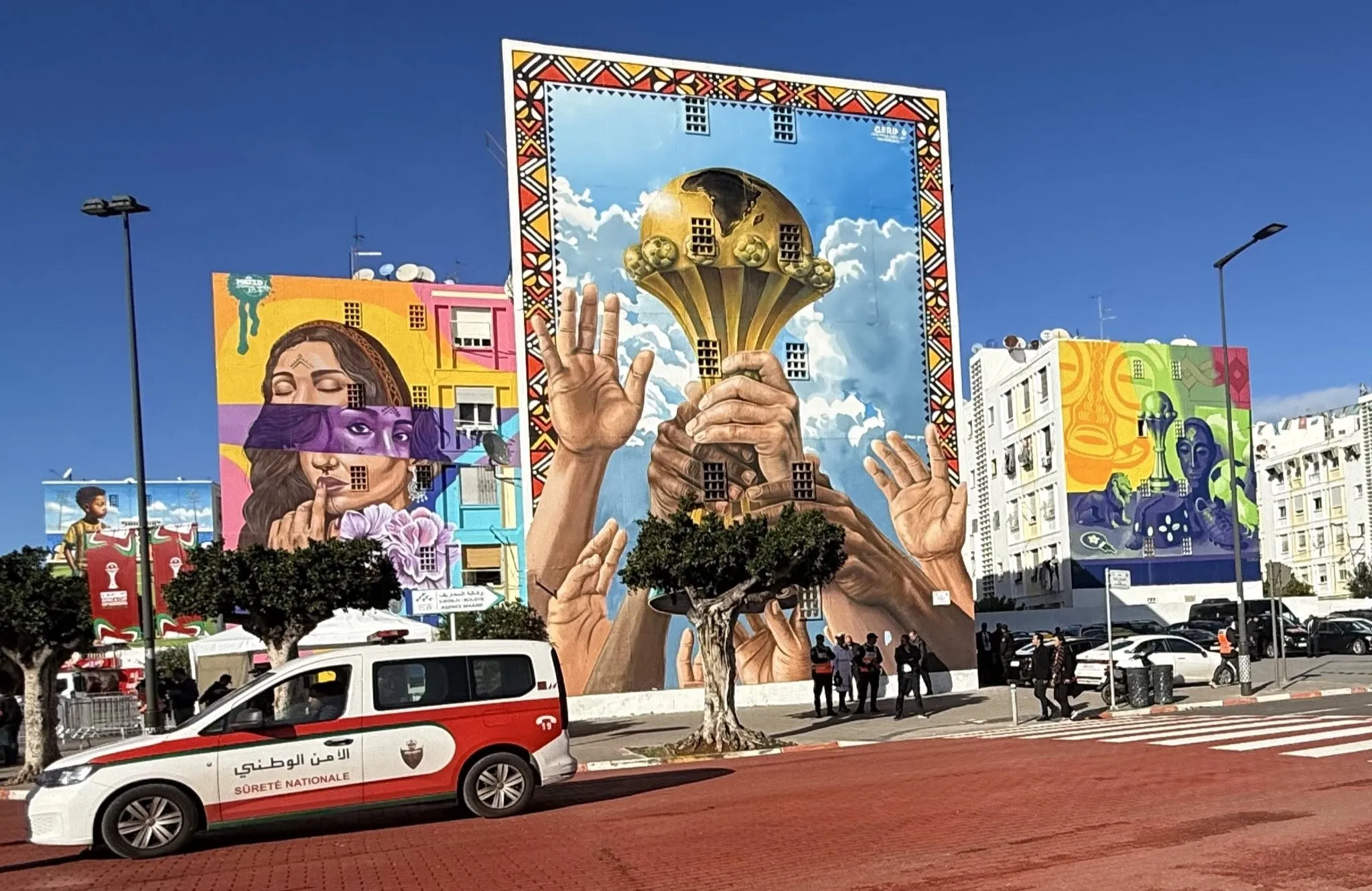
Every neighborhood and street corner in Casablanca pulsates with the spirit of football, a passion that the economic capital of Morocco has nurtured for decades, establishing itself as an iconic city in the realm of football. The unique bond between Casablanca and the beautiful game has grown stronger over time, making the metropolis an inseparable part of the national football narrative. Casablanca has undeniably played a pivotal role in crafting glorious chapters of Moroccan football history, serving as the backdrop for triumphant moments that will forever be etched in memory, as well as being the cradle for legendary players who have brought pride to the national team.
This shared history is closely linked to the World Cup, the most prestigious international football competition, which began with the first participation of the Atlas Lions in the 1970 World Cup held in Mexico. With state-of-the-art sports facilities, a passionately engaged audience, a deeply rooted football culture, and generations of talented players, the city has consistently held a special place in Morocco's global football narrative, as noted by former Moroccan international Abdelfattah Alaoui.
Alaoui reminisces about the Mohammed V Sports Complex, which has hosted significant matches for the national team for many years, including crucial bouts for World Cup qualification. This historic venue has carved unforgettable memories into the collective consciousness of Moroccans, allowing them to witness moments of joy, emotion, and glory, he shares. Matches held here, which showcased a unique popular fervor surrounding football, drew large crowds and were filled with an exceptional atmosphere, he recalls.
Historic Moments and Future Aspirations
In 2022, it was at the 'Donor' (formerly known as the Honor Stadium) where Achraf Hakimi and his teammates secured their place in the Qatar World Cup by defeating the Democratic Republic of Congo 4-1 in a decisive qualifying match. The qualification for the 1998 World Cup in France was also achieved within this iconic sports monument, following a thrilling 1-0 victory over Ghana, courtesy of a goal by Khalid Raghib. The path to the 1994 World Cup in the United States also ran through the Mohammed V Sports Complex, where the qualification was clinched on the final day of the African qualifiers, with Abdeslam Laghrissi scoring the only goal of the match to send the Lions of the Atlas through.
Hosting the home matches of the Lions of the Atlas, 'Donor' has been crucial for the national team's qualifications for both the 1970 and 1986 World Cups in Mexico. Furthermore, Casablanca has always been a breeding ground for Moroccan football talent, producing numerous legends who have left a lasting mark on the national team’s history, particularly in the World Cup arena. Among these notable players, Mohammed Houmane and Maouhoub Ghazouani stand out as they scored the first two goals for the national team in the World Cup (1970) against West Germany and Bulgaria, respectively.
Other Casablanca-born players have shone brightly in the ranks of the Lions of the Atlas during World Cup competitions, including Aziz Bouderbala, the late Abdelmajid Dolmy, Mustapha Haddaoui, Noureddine Naybet, Salaheddine Bassir, Lahcen Abrami, and Abdelkrim Merry (Krimau), to name a few. Krimau, a hero of the national team's journey in the 1986 World Cup, emphasizes that Casablanca has always been a major national football hub, home to historic clubs that have nurtured generations of great players and supplied the national team with talent. These footballers embody the sporting excellence of Casablanca and illustrate the city's capacity to produce talents that shine on the international stage, he explains.
For this son of Casablanca, the popular passion for football, and for sports in general, constitutes a fundamental element of Casablanca's identity. The triumphant reception given to the national team after their remarkable achievement at the 1986 World Cup, in front of a massive crowd at the Mohammed V sports complex and in the presence of the late King Hassan II, remains another significant moment in Casablanca's global football history, according to Krimau. The former Moroccan international recalls with pride and emotion this unforgettable memory, noting that the grand welcome extended by the people of Casablanca to the architects of the 1986 World Cup saga will forever mark the history of 'Donor' and the metropolis.
Looking beyond its glorious global football history, Casablanca is gearing up for the future with ambitious aspirations, driven by the dynamic initiatives launched in preparation for the 2030 World Cup. Major projects are underway to support this universal football event, chief among them the Grand Hassan II Stadium in Casablanca, which is set to become one of the largest sports venues in the world. With a seating capacity of 115,000, this architectural and sporting jewel meets the highest standards of international sports bodies and incorporates the latest technological innovations, ensuring that Casablanca shines brightly on the global stage.
As reported by libe.ma.